
Hair extension maintenance is the routine of washing, brushing, hydration, and salon move-ups that keeps extensions wearable for 6 to 12 months. Extension hair receives no natural oils from your scalp, so it dries out, mats, and breaks faster than your own hair. A full set costs $200 to $1,000+, and the wrong routine can destroy that investment in weeks. This guide covers the rules, schedules, and costs of keeping extensions in top shape.
How to Care for Hair Extensions at Home
There are quite a few things to consider when caring for hair extensions DIY. These basics apply to all extensions, but we’ve broken down the key care steps for washing, brushing and drying, heat styling, and nighttime protection in the next four sections.
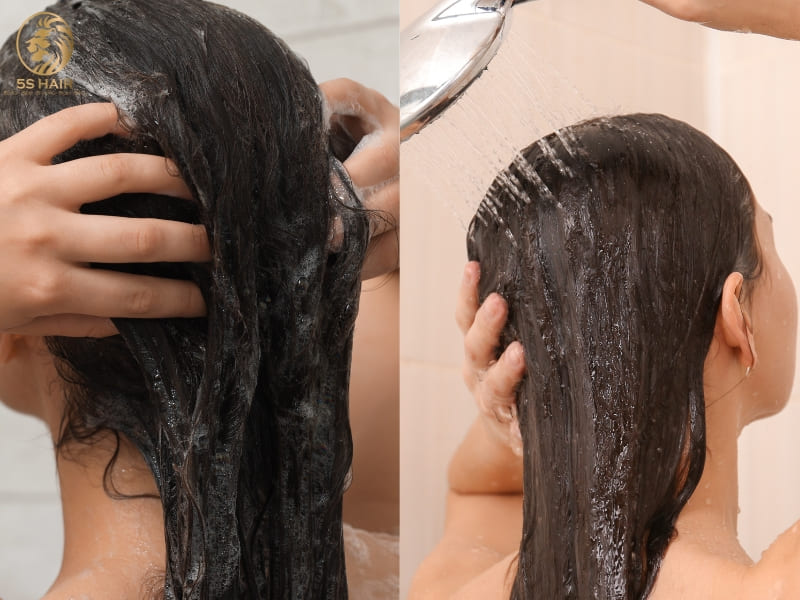
Wash and Condition Hair Extensions Properly
Extensions definitely need to be washed regularly, but you want to be gentle, especially around the attachment points. Rubbing or applying conditioner directly to the bonds can make them slip or put extra stress on your hair.
How to do it:
- Wash your hair gently and try to keep your head upright instead of flipping it over in the shower.
- Focus your shampoo on your scalp and the roots, but don’t scrub the extensions themselves too hard.
- Rinse thoroughly to remove product residue.
- Put conditioner from the middle of your hair down to the ends, but avoid getting it on the bonds, beads, or wefts.
- Try not to let product build up around the attachments, since that can make your extensions harder to take care of.
Being thorough but gentle will keep your hair feeling fresh and help avoid tangles or issues with the extensions slipping.
Brush and Dry Extensions Without Excessive Pulling
How to do:
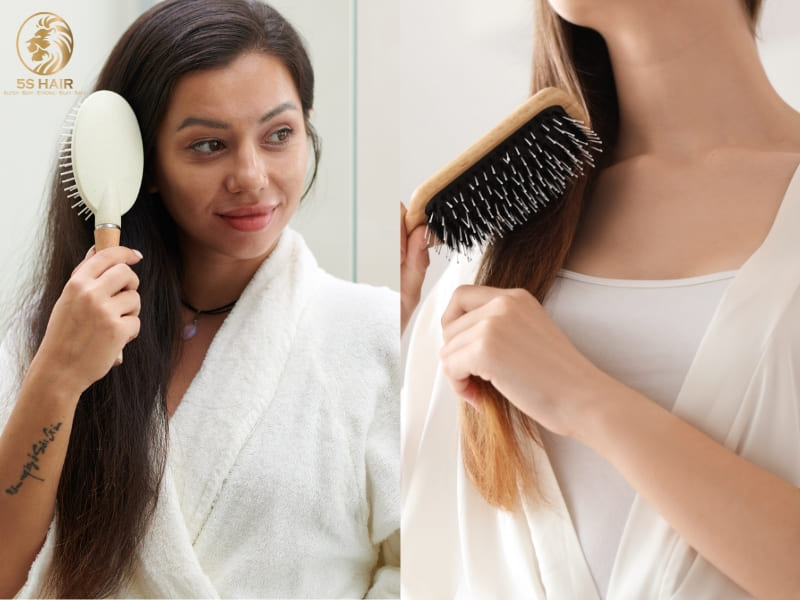
- Try not to brush your extensions when they’re soaking wet. It’s tempting, but it just leads to more tangles and breakage.
- After you wash your hair, gently squeeze out the extra water and blot with a towel instead of rubbing.
- When you’re detangling, hold the roots or where your extensions are attached with one hand, and start brushing from the ends up. You should use an extension brush or a loop brush for this because it really helps avoid snagging around the beads.
- Make sure you dry your roots and where the extensions are attached really well. Don’t skip this step.
Style Your Hair Extensions With Less Heat (and Less Stress)
Here’s what works:
- Try to only use heat when you really need to, and always use a heat protectant before grabbing your curling iron or straightener.
- When you blow dry, make sure not to blast one spot for too long.
- If you’re curling or straightening, work in small sections.
- If you can, let your hair air dry most of the way before using any hot tools.
Protect Your Extensions While You Sleep
Taking care of your hair overnight is a game changer. It keeps tangles and friction to a minimum, so your extensions are way easier to brush and style in the morning. Plus, it helps keep the attachment areas healthy.
- Make sure your extensions are totally dry before you go to bed.
- Gently brush through your hair, then put it in a loose braid or something comfy that keeps it together without pulling at the roots.
- Sleeping on a silk pillowcase or using a silk scrunchie makes a big difference. It really helps cut down on friction while you sleep.
Hair Extension Maintenance Schedule (by Method)
Hair extensions do not all follow the same maintenance schedule. Daily at-home care keeps the hair in good shape, but professional maintenance is needed to keep reusable extensions in place and to check the attachments before issues like pulling, tangling, or matting start.
The table below shows a basic starting point for the main extension methods in this guide. Appointment timing can vary depending on your installation, your natural hair growth, and your stylist’s advice.
| Method | Typical Maintenance | Main Maintenance Task | Reusable? |
| Tape-in | About 4–8 weeks | Remove, replace adhesive, and reposition | Yes, depending on the hair |
| Hand-tied weft | About 4–6 weeks | Reposition/move-up and periodic fuller maintenance | Yes, depending on the hair |
| K-tip/Fusion | Midway check around 6–8 weeks; replacement later | Check bonds, shed hair, tangling/matting, and overall condition | Generally not repositioned like tape-ins/wefts |
| Micro-link | Method-specific professional maintenance | Check and reposition attachment as needed | Depends on the system |
| Clip-in/Topper | No routine move-up | Remove before washing/sleeping and refresh as needed | Yes |
These time frames are guidelines, not strict rules. If an attachment moves away from the scalp, is hard to brush, or starts to tangle or mat, see a professional sooner.
Tape-In Extension Maintenance
Tape-in extensions usually need maintenance every 4 to 8 weeks, depending on your natural hair growth and how well the extensions are holding. At each appointment, the stylist removes the extensions, replaces the adhesive, and puts them back near the scalp.
With good maintenance, you can reuse the extension hair and make it last longer than one installation.
Between appointments, keep the attachment areas clean and avoid pulling when you brush. If the tapes feel loose or the extensions move away from the scalp, do not brush harder. Have a professional check the attachments.
Read more: How to Remove Tape-in Hair Extensions at Home Safely
Hand-Tied Weft Maintenance
Hand-tied weft extensions usually need professional maintenance every 4 to 6 weeks as your own hair grows. The purpose is to reposition the weft and keep the installation sitting correctly rather than allowing the attachment to move progressively farther from the scalp.
Maintenance can be a quick repositioning or a full service, depending on hair growth and the condition of the extensions. Your stylist will also check for trapped shed hair or where tangling is beginning to develop.
Fusion Extension Maintenance
Fusion or K-tip extensions are maintained differently from tape-ins and wefts. Instead of moving the same bonds up, you wear them until it is time to remove them.
A professional check around 6–8 weeks can help assess the condition of the bonds and identify trapped shed hair, tangling, or matting before they get worse. The stylist can also tidy the extensions and see if they are still wearing well.
Since fusion extensions are not moved up like tape-ins or wefts, it is important to follow the recommended maintenance and replacement schedule.
Clip-In and Topper Maintenance
Clip-in extensions and toppers do not need regular move-up appointments because you can take them out. Remove them before washing your hair and before sleeping to avoid friction and pulling.
At home, keep the extension hair clean, detangled, and in good condition. Check the clips or attachments often and fix any loose or damaged parts before using them again.
With appropriate care and storage, the same hair can be used repeatedly.
Weft Hair Extension Care
How to care for weft hair extensions – if you wear weft hair extensions, daily care between appointments is as vital as the move-up. Keep the weft and nearby hair clean and dry, especially at the attachment line. After washing, fully dry the roots and weft area. Do not leave them damp for long.
Brush gently near the attachment area and through the lengths without pulling on the weft. Check this area often to notice early signs of tangling or matting.
How Do You Know When It’s Time to Get Your Hair Extensions Moved Up or Professionally Maintained?
Regular maintenance is key for keeping your extensions looking and feeling their best. Plus, your stylist can notice any issues you might not notice at home.
Here are a few signs you should look for when it’s time to call your stylist:
- You can actually see a gap between your extensions and your scalp. If you notice the attachments sitting lower than they used to, it’s probably time for a move up.
- Brushing your hair is getting tricky. If your brush keeps catching on the beads or wefts, don’t force it. This is a sign you need to see your stylist.
- You’re noticing more tangles or even some matting, especially near where the extensions are attached. This usually means they’ve grown out and need some professional care.
- If styling your hair just isn’t as easy as it used to be, it’s probably time for a maintenance appointment.
- If you’re feeling more pulling or your extensions feel heavy, don’t wait for your next appointment. Go ahead and get them checked out.
Read more: How to Retape Hair Extensions Without Damage
How Lifestyle and Environment Affect Hair Extension Maintenance
Make sure to take a look at how your lifestyle and environment may affect your hair extensions so you can adjust your routine when needed. Here’s a basic rundown of what to look for.
Swimming
Does swimming damage hair extensions? If you swim a lot, you definitely have to be extra careful with extensions. Chlorine and saltwater can really mess with the texture and make them harder to manage. Try not to leave your hair in the water longer than you have to, whether it’s the pool or the ocean.
If swimming is a big part of your life, you have to treat it like a special occasion for your hair. Rinse your extensions with fresh water right after, and be gentle when you detangle, especially around the bonds. Drying the attachment areas is key. If you’re in the water a lot, it’s worth talking to your stylist about it so they can help you figure out the best way to keep everything in good condition.
Exercise, Sweat, and Frequent Washing
Sweating a lot does mean your extensions need a little more care. Pay extra attention to keeping your scalp and the bonds clean and dry.
After a workout, be careful not to scrub too hard or pull at the extensions when you wash. If you’re washing more often, stick to gentle cleansers and rinse really well.
Humidity
Humidity can affect how hair extensions look and behave. If you live in or regularly visit a humid climate, you’ll need to adjust your routine based on how your extensions are acting.
Try to keep them detangled and avoid messing with them too much, especially in spots that get matted. If humidity is making things tricky, just bring it up at your next appointment so your stylist can help you figure out what to do.

How Much Does Hair Extension Maintenance Cost?
You’ll need to budget for hair extension maintenance regularly. You’ll need to budget for salon visits for maintenance, removal or reinstall, plus whatever you use at home to keep your hair looking good. And don’t forget, you’ll eventually need to replace the hair itself. It’s a good idea to think about the full cost over time before you commit.
- The main thing you’ll pay for again and again is your salon maintenance appointment. Depending on the type of extensions you have, this could mean moving up, repositioning, removing and reinstalling the extensions, or checking the condition of the attachment areas.
- At some point, you’ll need to replace the extension hair itself. How long they last depends on the type of extensions, how well you take care of them, and whether the hair can be reused. Prices can be all over the place depending on your stylist and where you live, so definitely ask your salon what’s included in each appointment before you decide what kind of extensions to get.
- One thing that can save you money is if your extension hair can be reused. Some types, like tape-ins or wefts, can be moved up and used again as long as the hair is still in good condition. That way, your first hair purchase can last through a few maintenance appointments instead of just one.
Hair extension maintenance really pays off. If you keep it in good condition and your method lets you reuse the hair, you’ll get a lot more value out of your investment.
Here’s the real deal: hair extension maintenance matters, but the quality of the hair you start with is just as important. Human hair extensions with intact, aligned cuticles reward good habits with longer wear and lower cost per month.
Conclusion
If you start with good-quality hair, follow the washing tips, and keep up with your move-up appointments, your extensions will stay looking great and actually save you money in the long run. No one wants their hair to turn into a money pit.
Frequently Asked Questions
How often should you wash hair extensions?
Wash hair extensions when they look or feel dirty, or if you notice product buildup. Use gentle shampoo, rinse well, and do not wash more often than needed. Too much washing can dry out the hair or put stress on the attachment points.
How often do hair extensions need maintenance appointments?
Most hair extensions need maintenance every 4 to 10 weeks. The exact timing depends on the type of extensions you have.
When should I get my hair extensions moved up?
Book a move-up if your extensions have grown out from the scalp, are hard to brush or style, or if you notice tangling or pulling near the attachment area.
How long do hair extensions last with proper maintenance?
With proper care, hair extensions can last from three months up to a year. How long they last depends on the type, hair quality, your maintenance routine, and how much heat or stress they get.

Pingback: What Are Virgin Hair Extensions? Are They Good Quality?
Pingback: How to Wash Tape-In Hair Extensions at Home
Pingback: The Best Oil for Hair Extensions (Top 5 Options)
Pingback: How to Tie Your Hair Up With Tape Extensions to Hide It