
Can you layer hair extensions? Layering hair extensions at home can be an easy way to save a little money while giving your hairstyle a more natural, blended finish.
I wouldn’t go wild and try to give yourself a whole new haircut (definitely leave the big changes to your stylist), but a few small tweaks can make a huge difference. Trimming off those blunt ends and thinning out bulky spots can help your extensions look much more natural. Just take it slow and always cut off less than you think you need – once it’s gone, it’s gone. Here’s how to layer hair extensions DIY.
Get Ready for Layering Hair Extensions
Before you start cutting, take a few minutes to get your hair, extensions, and tools ready.
- Go ahead and put your extensions in where you plan to wear them before you even think about cutting. This way, you can see how the length and thickness look with your own hair and spot any areas that need blending.
- If you’re using clip-ins, you can even do the first round of shaping on a mannequin head if you have one. It makes things a lot easier. Then pop them in your hair to see how they blend. For tape-ins, sew-ins, or any semi-permanent extensions, just be extra careful around where they’re attached and don’t cut into the bonds or wefts.
- Definitely use sharp, professional hair-cutting shears instead of your kitchen scissors. It really makes a difference. A fine-tooth comb is great for making clean sections and keeping things neat while you cut. Sectioning clips are super helpful too for keeping the rest of your hair out of the way.
- Work in good lighting so you can clearly monitor the length and shape as you layer.
Step-by-Step: How to Layer Hair Extensions
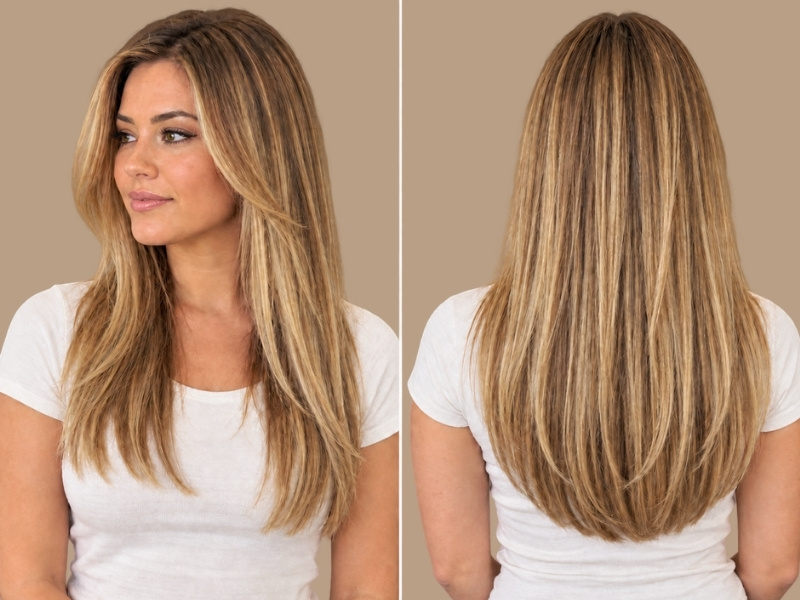
Layering hair extensions is all about making them blend in with your real hair, not just chopping off length everywhere. You want to keep as much length as possible, but soften up those spots where your natural hair meets the extensions so everything looks seamless.
First, Get Your Extensions in Place
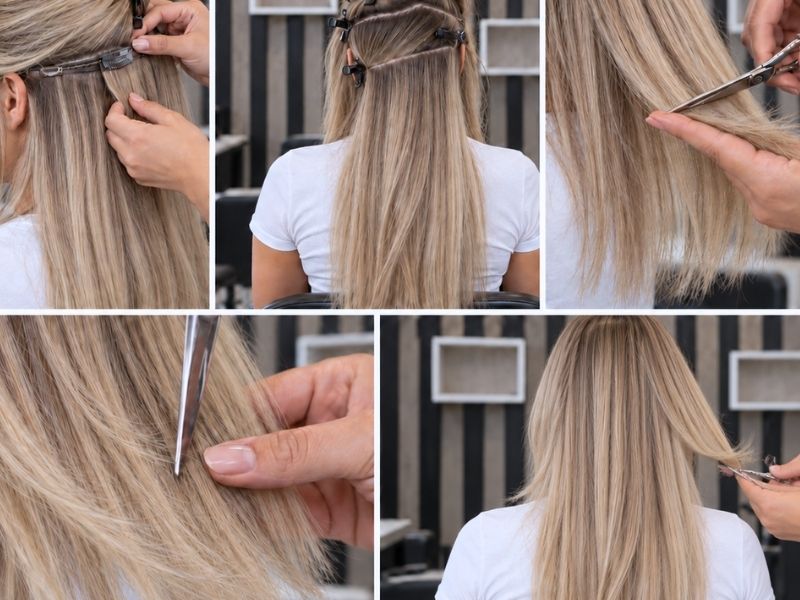
Start with clean, dry hair and style it how you usually wear it – straight, wavy, or curled. If you’re using clip-ins, go ahead and put them in where you want them. Make sure they’re sitting flat and hidden under your real hair before you start figuring out where to layer.
If you’re nervous about cutting, you can always do the first round on a mannequin head instead of your own hair. Once your extensions are in, pull your natural hair over them and see where your real ends meet the extensions. This makes it way easier to spot where you’ll need to blend.
Section Your Hair (It Helps!)
Section your hair vertically or diagonally, starting at the lower back and working your way up to the sides and front. Keep your sections thin so you can see where your real hair ends and the extensions begin.
Keep the longest bottom sections separate from the top and the pieces around your face. You usually don’t need to cut much from the bottom layers. If you take off too much, you’ll lose that nice fullness. Work your way up, blending each section into the next so you don’t end up with choppy layers.
Trim Off Extra Length Without That Blunt Edge
Try not to cut the ends of your extensions in a straight line. That blunt edge can make your extensions look super heavy and give you that obvious ‘shelf’ look where the added hair stands out.
Instead, just trim enough to help the extensions match your natural shape. Leave the longest bottom wefts mostly alone, and slowly take a little more off the higher sections. Go slow and check your progress often. You can always cut more, but you can’t put it back once it’s gone.
Use Point-Cutting or Slide-Cutting for Soft, Blended Layers
Point-cutting is your friend here. Hold your scissors vertically and make tiny snips into the ends instead of cutting straight across. This softens everything up and keeps your layers looking natural.
If you want even more movement, a stylist might use slide-cutting or a razor on human hair extensions to thin things out and help everything blend. Just be careful – taking off too much can make the ends look stringy. Don’t thin too much near the wefts or clips, since that can mess with how they stay put.
Don’t Forget Some Face-Framing Layers
Finish up by paying extra attention to the hair around your face. This is where any difference in length really stands out. Separate the front pieces by your ears and gently blend your shorter layers into the extensions with soft, angled cuts.
Take a look at your hair from every angle: front, sides, and back. If things still look bulky, just do a few more point cuts instead of taking off a lot at once. Once you’re happy, style your hair and extensions together. I love using soft waves or curls to help everything blend, but keep in mind that straight hair will show any uneven spots more easily.
How to Blend Extensions (and Keep Your Length)
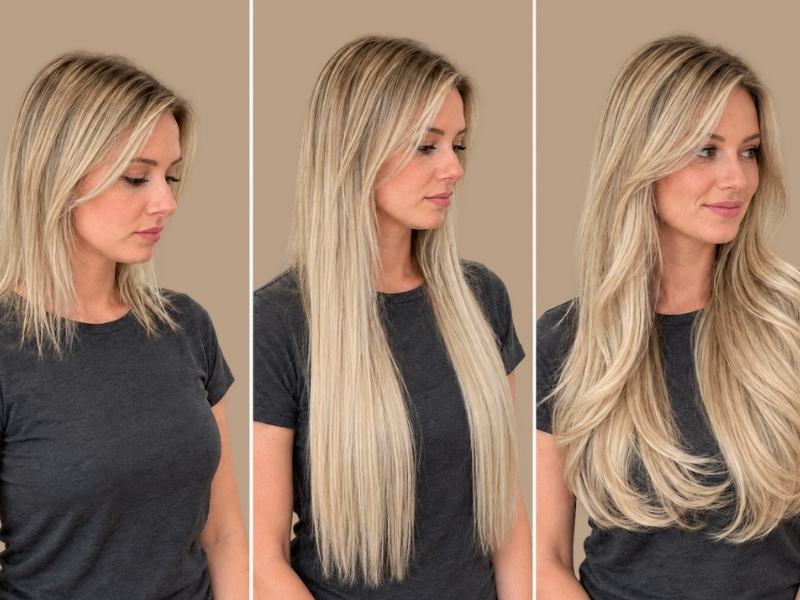
The best way to blend extensions without losing too much length is to keep the longest parts that support your overall shape, then make small tweaks where your natural hair meets the extensions. This way, your hair still looks full, and you get a much smoother transition between your real hair and the added pieces.
- Keep the bottom layer of your extensions as long as possible, especially the ones closest to your neck. This bottom section is what gives your hair that thick, healthy look at the ends. Instead of cutting away all the length at the bottom, focus on trimming and blending the top and inside layers – basically, wherever your natural hair and the extensions meet, and you can see a difference.
- Go slow and check your blend as you go. Make one small cut or adjustment at a time, then let your hair down and see how it looks from different angles. Look for any spots where the extensions look chunky or disconnected from your real hair. If it’s looking pretty good, pause and take a step back before you cut any more.
- If you’re working with clip-in extensions, be extra careful. The pieces can move around when you’re sectioning your hair, so make sure each one is clipped in tight before you start trimming. Don’t cut too close to the clips. Once you’ve got your layers blended, it helps to mark or number each piece so you can put them back in the same spots next time.
Which Cutting Technique Works Best for Layered Extensions?
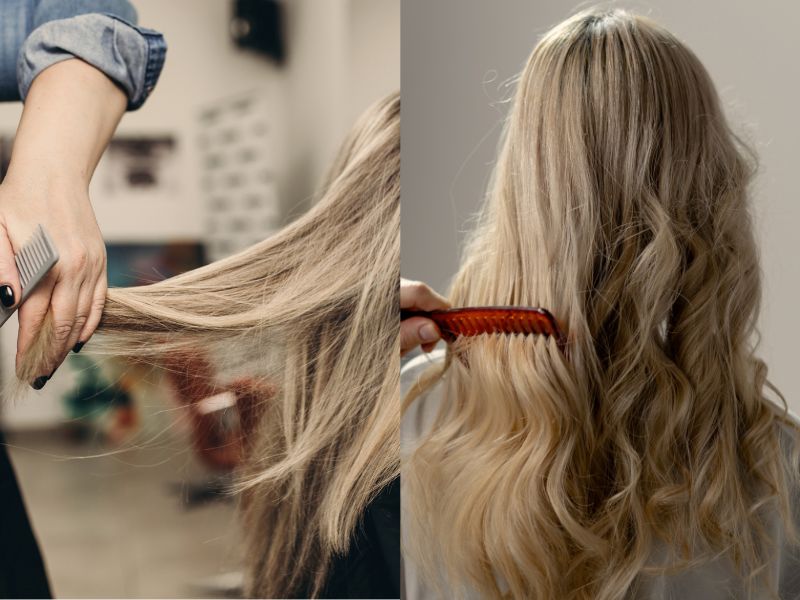
Point-cutting is my go-to trick for softening up that harsh extension line, especially if you want to keep your length and fullness. If you notice a blunt edge where your extensions meet your natural hair, just use the tips of your scissors to snip into the ends. This helps everything blend together without losing much hair.
Slide-cutting is another technique for blending extensions. Instead of cutting straight across, you gently slide your scissors down the hair shaft in small sections. Use light, careful movements to thin out any bulky spots. This helps your extensions flow right into your natural layers and gives you that soft, seamless look.
Razor cutting is great if you want super soft, blended ends. The blade takes off hair fast and can make your ends look really thin if you’re not careful. If you haven’t used a razor before, I’d definitely recommend letting your stylist handle this part.
Tips for Layering Different Extension Textures
Not all hair textures are created equal, and that totally changes how your layers will look.
- If you have straight or heat-styled extensions, make sure to style your hair the way you usually wear it before you even think about cutting layers. I always straighten or curl mine first, then check to see how the extensions blend with my real hair. It makes a huge difference!
- Wavy and curly extensions are a whole different ball game. The texture can make your hair look way shorter or fuller than you expect, so I always recommend checking them out in their natural state before making any big changes. Go slow with trimming – once you cut, you can’t put it back. If you have super curly or coily extensions, it’s honestly worth having a pro shape them for you.
The Takeaway
Once again, be careful about layering hair extensions at home. Install the extensions securely and divide the hair into manageable sections. The key is to make small cuts and check the blend after each one.
Frequently Asked Questions
How do you blend hair extensions with short hair?
If you have short hair, blending extensions can be a little tricky but totally doable. Keep the bottom wefts the longest and then trim the upper layers a bit shorter so everything flows together. Use point-cutting to soften the ends and avoid any harsh lines. Try not to cut straight across, since that can make your extensions look obvious.
How to layer clip in hair extensions?
When you’re putting in clip-in extensions, start by clipping them in where you normally would, then see how they blend with your own hair. Keep the longest pieces at the bottom and trim the top ones a little shorter for a more natural look. Use point-cutting to soften the ends. Label your pieces after you cut them so it’s easier next time.
Can you layer curly or wavy hair extensions?
Absolutely. You can layer curly or wavy extensions, but look at them in their natural texture first, since curls and waves can make the hair look shorter or longer in different spots. Trim a little at a time and don’t use the same layering technique you’d use for straight hair. Let the curls do their thing.
