Brown hair toner helps fix brassy, orange, or yellow tones that can show up between color appointments. Brown hair color usually fades in three to four weeks. Sun and washing can cause warm or uneven tones.
The best toner for brown hair removes these unwanted tones and brings back a cool, fresh look. This guide explains five top formulas and what to know if you are toning hair extensions instead of natural hair.
What Is the Best Toner for Brown Hair?
Hair toner is a semi-permanent treatment that helps remove unwanted warm or cool tones in colored hair. For brown hair, toner targets brassiness. This is the orange or red color that can show up as brown hair fades.
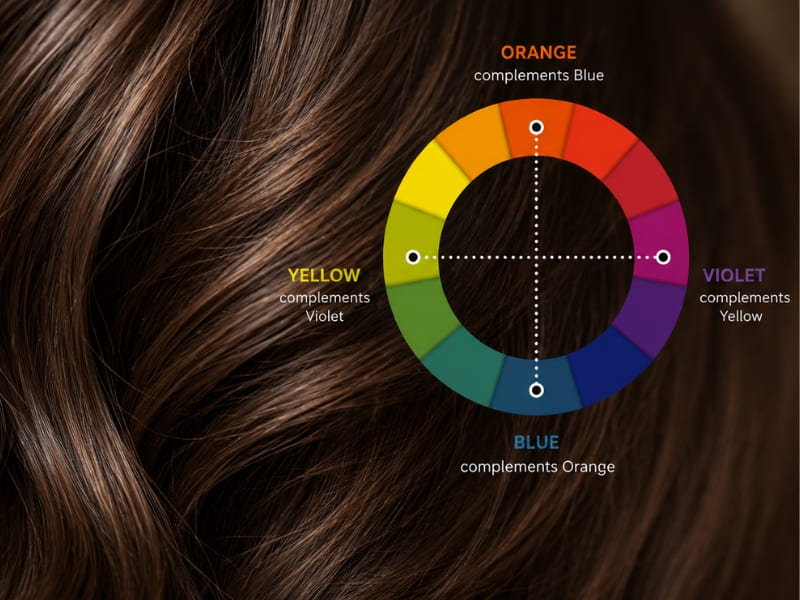
Toner will not make your hair lighter. It adds color from the opposite side of the color wheel to remove the tones you do not want.
The best formula depends on your current hair color and where you need to fix it. You may need to correct regrowth, all-over color, or highlights. Salon toner uses a stronger developer for even, long-lasting results. At-home glosses and toning shampoos are milder and work well for weekly touch-ups.
Toner can give three main results. A cool result adds ash, violet, or blue tones to reduce warmth. A warm result adds gold, copper, or caramel tones for a deeper brown color.
A neutral result is a balance between cool and warm. Most people want this for brown hair that looks dull or flat between color appointments.
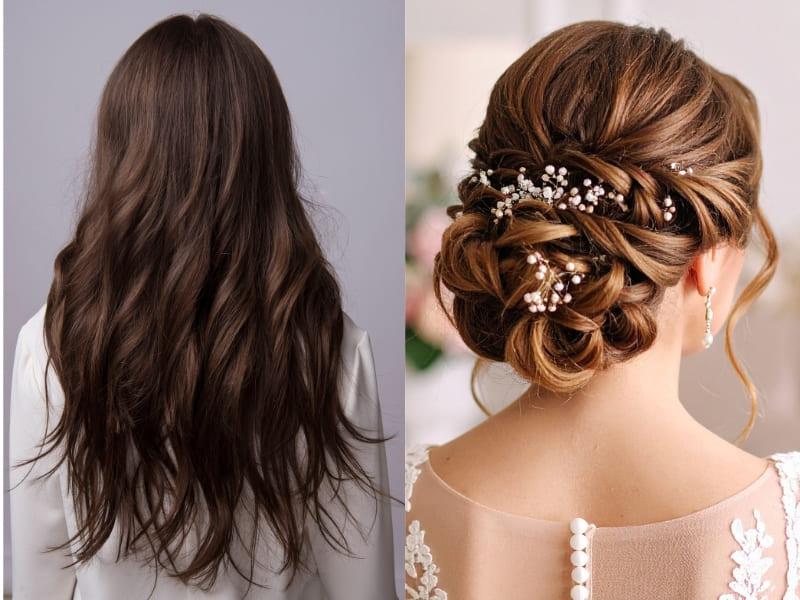
Types of Hair Toner for Brunettes
Three toner formats work for brown and brunette hair, each suited to a different level of commitment.
- At-home gloss or toner: Mixed with a developer and rinsed out after 5–20 minutes. This format gives the strongest, most even color correction and is the closest match to what a colorist would use in the salon chair.
- Salon toner: Professional-strength pigment applied by a colorist, usually booked between full color appointments to refresh brassy regrowth without a full re-dye.
- Toning shampoo or conditioner: A low-commitment option that builds tone gradually with each wash. It’s better for maintaining an already-corrected color than for fixing strong brassiness on its own.
Read more: How to Make DIY Blue Toner for Brassy Hair: A Step-by-Step Guide
How to Choose a Toner for Hair by Undertone
Toner works on color-wheel theory: it deposits the pigment that sits opposite the tone you want to cancel. If you use the wrong pigment for your hair’s undertone, it will not fix brassiness and will waste product.
| Undertone to Fix | Toner Pigment Needed | Best For |
| Orange or brassy | Blue-based toner | Dark brown, brunette base color |
| Yellow or gold | Violet or purple toner | Light brown, bronde, blonde highlights |
| Red or copper | Green-based toner | Auburn or warm brunette gone too red |
| Flat or dull | Warm gold or copper gloss | Cool brown wanting more dimension |
If you have highlighted or balayage brown hair, you may need to use two different toners. Use a stronger toner on the lighter sections and a lighter toner on your natural base. Using one formula on all your hair can make the highlights too ashy and leave the base unchanged.
Section your hair and time each area separately if your color isn’t uniform.
Top 5 Best Toners for Brown Hair
Below are five toning products confirmed to work on brunette hair specifically. Formats span drugstore shampoos to in-salon services.
| Product | Format | Developer Needed | Best For |
| milk_shake Cold Brunette Shampoo | At-home blue toning shampoo | No | Natural or color-treated brunette hair |
| John Frieda Brilliant Brunette Blue Crush Shampoo | At-home blue toning shampoo | No | Highlighted or lightened brunette hair |
| Kerastase Chroma Absolu Masque Vert | Color-correcting hair mask | No | Dark brunette levels 1–4 only, not blonde |
| Pureology Color Fanatic Top Coat + Tone Blue | At-home 5-minute gloss | No | Dark blonde to dark brunette, brassy orange |
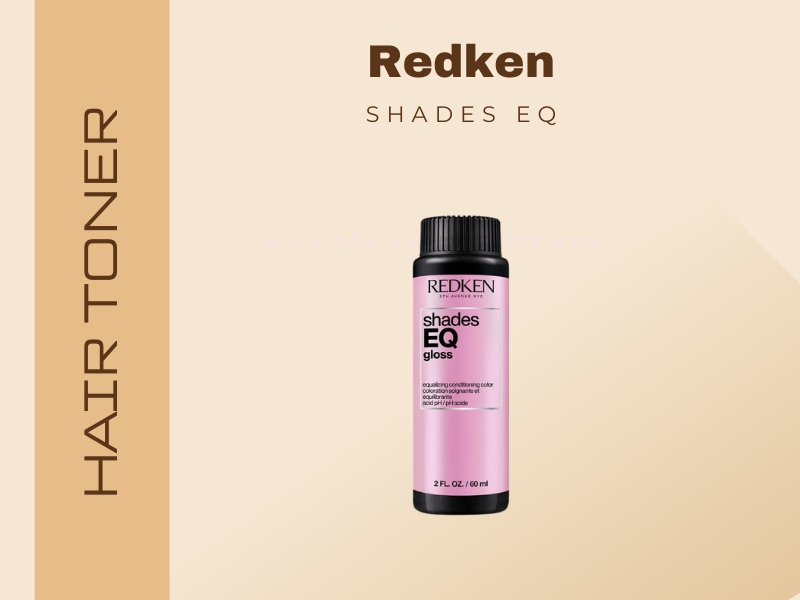
| Redken Shades EQ | In-salon demi-permanent gloss | Applied by a colorist | Deep, all-over brunette correction with no lift |
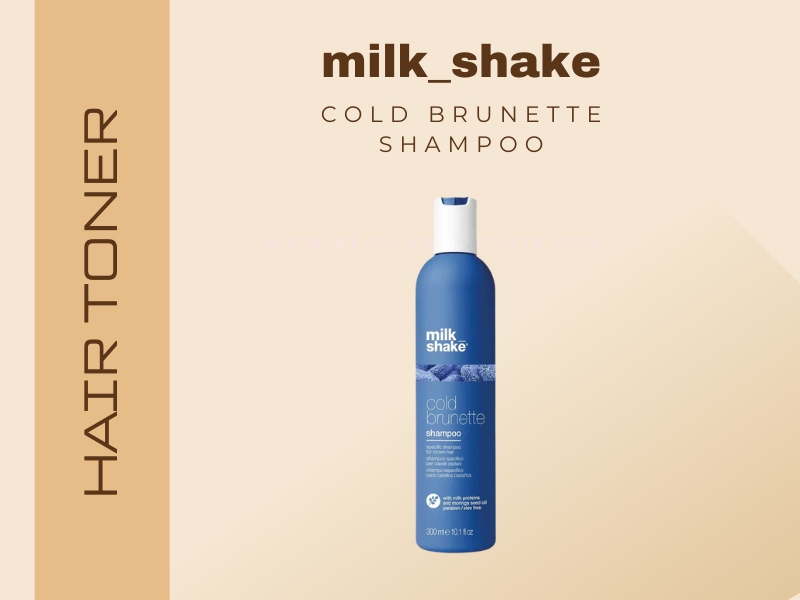
milk_shake Cold Brunette Shampoo
Cold Brunette is a blue-pigmented shampoo built specifically for natural or color-treated brunette hair. It counteracts the red and orange undertones that surface as brown color fades, and it’s safe for regular at-home use.
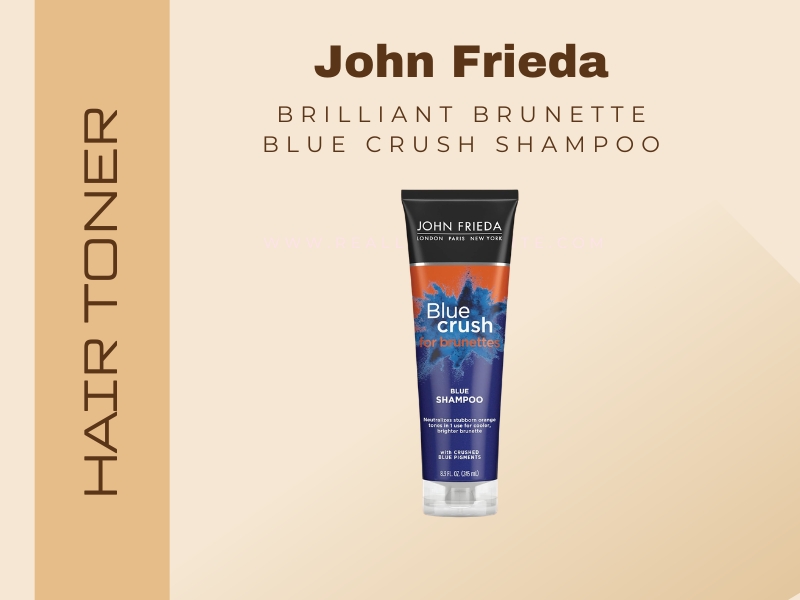
John Frieda Brilliant Brunette Blue Crush Shampoo
Blue Crush is a drugstore shampoo built specifically for brunette hair. Crushed blue pigments neutralize orange and red brassiness in one wash, and it needs no salon appointment.
It’s formulated for natural or color-treated brunette hair, including highlighted pieces, and is peroxide-free and ammonia-free.
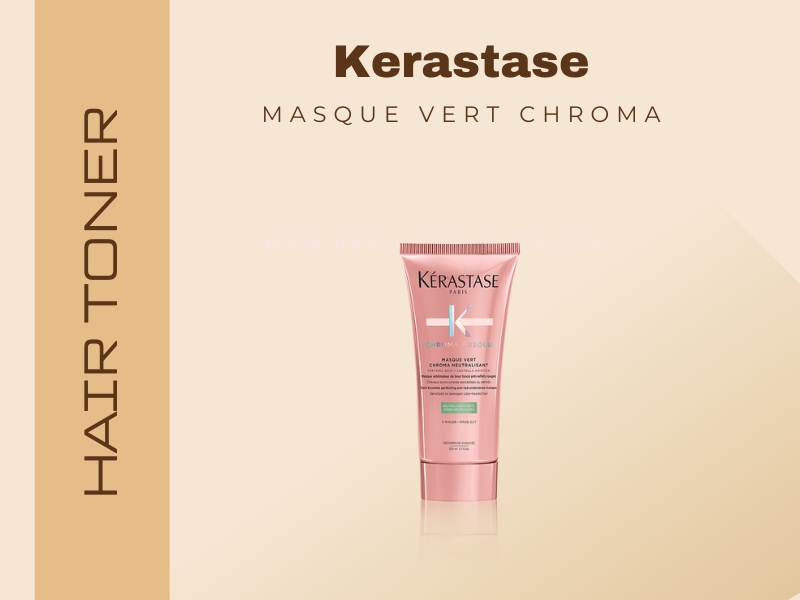
Kerastase Chroma Absolu Masque Vert
Masque Vert is a green-pigmented mask built specifically for dark brunette hair, levels 1 to 4. It instantly neutralizes red and copper undertones. Apply once a week for up to 5 minutes after shampooing, and wear gloves.
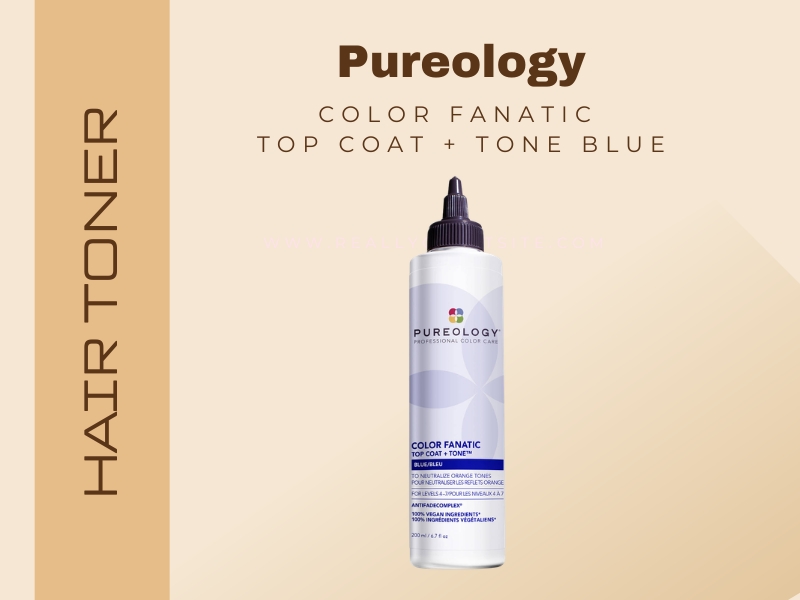
Pureology Color Fanatic Top Coat + Tone Blue
Top Coat + Tone Blue is a 5-minute, at-home gloss built for natural or pre-lightened dark blonde to dark brunette hair. It neutralizes brassy orange tones and seals in shine for up to 8 washes.
Redken Shades EQ
Shades EQ is an acidic, demi-permanent gloss applied by a colorist, not a product you buy and use at home. Because it doesn’t lift hair, there’s no banding or regrowth line, which is what most people asking for even, all-over brunette toning actually want.
How to Tone Brown Hair at Home
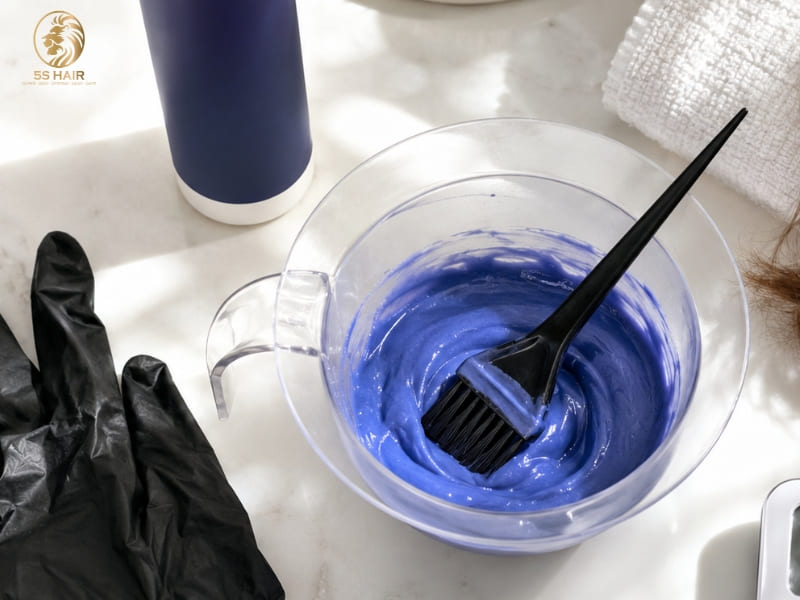
Home toning can take five steps: wash, mix, apply, time, and rinse.
- Wash your hair with a clarifying shampoo to remove product buildup. Toner works best on clean hair.
- Mix toner and developer in a 1:2 ratio. Use the shade chart on the box to choose the right formula.
- Section your damp hair. Use a tint brush to apply the mixture, starting on the areas with the most brassiness.
- Watch the time carefully. Most formulas need 5 to 20 minutes. Leaving toner on longer does not improve results and can increase the risk of damage.
- Rinse your hair thoroughly. Use a color-safe conditioner to help seal the cuticle and keep the new tone.
Brunette hair holds toner differently than blonde hair because there’s more underlying pigment to neutralize. A toning shampoo alone rarely fixes strong brassiness on brown hair — pair it with a monthly gloss or developer-based toner for a visible reset.
Can You Tone Hair Extensions?
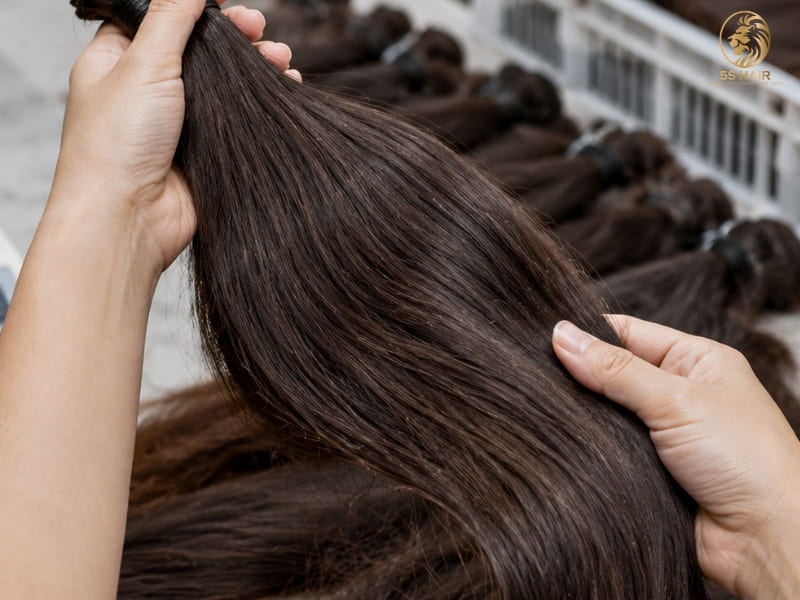
Toner may work differently on hair extensions than on natural hair. Extensions can have different porosity, cuticle condition, and chemical history. Because extensions are not attached to the scalp, they do not get natural oils and may feel drier. They often need extra conditioning. How extensions absorb toner depends mostly on their porosity and any previous chemical treatments, not just because they are not attached to the scalp.
Virgin human-hair extensions can usually be toned, but the result may not match natural hair. Extensions that are porous, bleached, colored, or heavily processed may take in pigment quickly, turn darker than expected, or look uneven. Always do a strand test before toning the full set or a wholesale batch.
When toning extensions, choose a gentle, deposit-only formula if possible. Demi-permanent, acidic, or low-ammonia products are often suitable. Do not assume that all extension toners have extra conditioning or that all bond-building formulas are safe. Make sure the product matches the hair’s condition. Always use the developer, processing time, and rinsing method recommended by the manufacturer.
You can usually tone 100% human-hair extensions. However, labels like “100% human hair” or “virgin” do not always mean the hair is untreated or damage-resistant. Do not use regular human-hair toner on synthetic extensions unless the product is approved for that fiber. Synthetic hair may not take color, may react unevenly, or may be damaged by developer or heat.
Do not judge single-drawn or double-drawn hair only by the drawing method. These terms describe how full the hair is and how the shorter strands are distributed. The chemical history and porosity of the hair are more important for how it will react to toner.
For wholesale orders, suppliers should test a sample from each hair batch before processing the full order. Start with a 5-gram sample. If the batch varies, use larger or more samples. Use the same toner, developer, processing time, rinsing, and drying as planned for production. Check the sample for color accuracy, evenness, softness, tangling, elasticity, shedding, and breakage.
→ Wondering how coloring affects wear time? See our full hair extension care and maintenance guide.
Conclusion
If you’re dealing with an unwanted tone, pick the right corrective pigment and make sure to actually follow the mixing instructions on the box. Only refresh your color when you really need to.
Frequently Asked Questions
Is brown hair toner permanent?
Most brown hair toners are not permanent. They usually last about 3 to 6 weeks before fading and may need to be reapplied. Check the product label to be sure.
What toner gets rid of orange in brown hair?
Blue-based toner cancels orange, since the two sit opposite each other on the color wheel. Look for a blue shampoo, conditioner, or developer-mixed toner labeled for brunette or brown hair.
What happens if you use blonde toner on brown hair with highlights?
Purple toner mainly affects the lightened sections of brown hair with highlights. It can cool yellow or golden tones in blonde highlights. Darker brunette hair usually shows little visible change.
Is toner better for your hair than dye?
Toner is usually gentler than permanent dye. It is used to refresh or adjust the tone of your hair, not to lighten it. Toner fades after several washes, usually in 3 to 8 weeks. It is good for maintenance but does not replace permanent color if you need a big color change or gray coverage.
How often should you tone brown hair?
Use a developer-based toner again when the tone fades, usually every 3-6 weeks. Use a toning shampoo once a week or every other week as needed. Always follow the product directions.
What’s the difference between a toner and a toning shampoo for brown hair?
Toner usually gives a stronger, longer-lasting tone adjustment and may require developer, depending on the formula. Toning shampoo deposits pigment during washing. It is a gentler, temporary way to maintain color between toner treatments.
