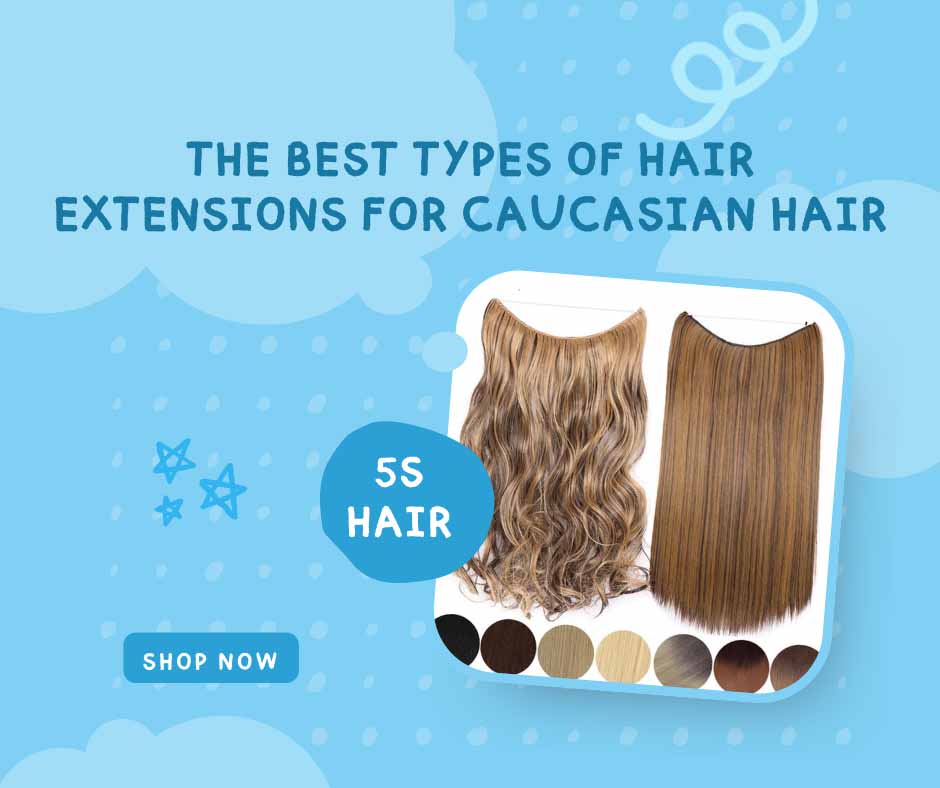
You’ve come to the right site if you’re seeking the best hair extensions for Caucasian hair. We spent a lot of time researching hair types to find the greatest extensions for white hair that are listed below. As a result, you can have a hairstyle that is both comfortable and fashionable.
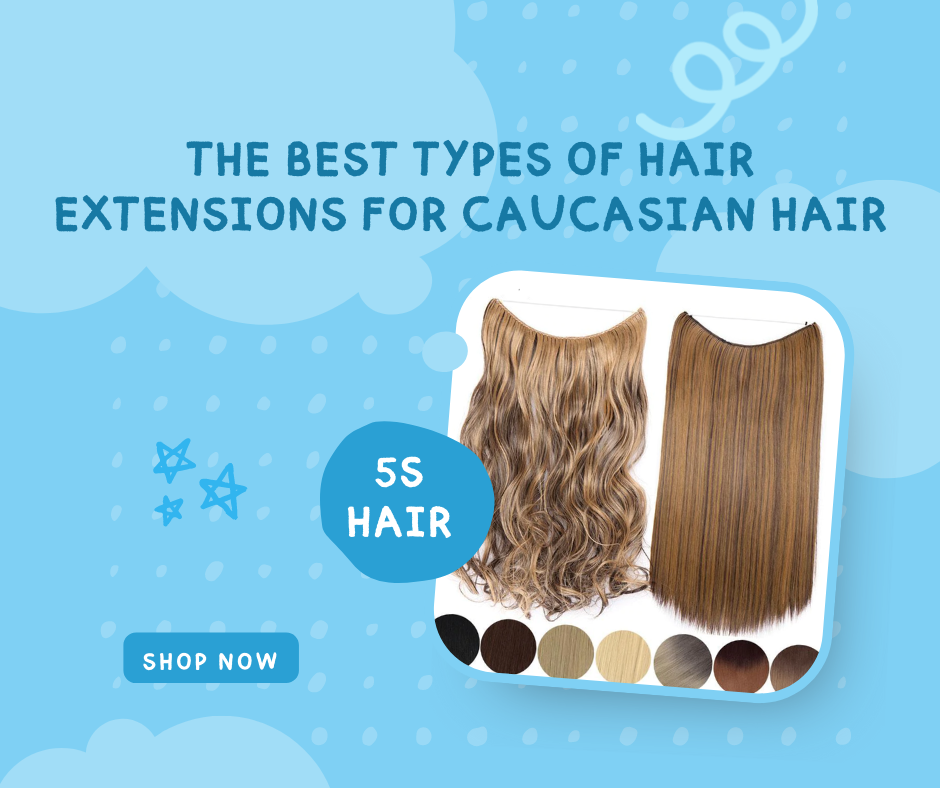
What Are Caucasian Hair Extensions?
Caucasian hair extensions are hair systems built for the fine-to-medium diameter and silky cuticle structure common in European hair types. Buyers also search for these as hair extensions for white people, though the product itself is defined by strand structure, not origin. Unlike extensions cut for coarser textures, these products favor lightweight attachment methods that spread weight evenly across the scalp.
Caucasian extensions carry less mass per strand than Asian or African hair textures. A heavy weft or a bulky bead can pull on thin roots and trigger traction alopecia. That is why stylists steer clients toward tape-in, hand-tied weft, halo, or seamless clip-in systems for hair extensions for caucasian women rather than traditional braided tracks.
Things to Consider when Choosing Hair Extensions for Caucasian Hair
When choosing hair extensions for fine or thin hair, the most important factors are hair density, strand thickness, scalp sensitivity, and the installation method. Lightweight extensions are usually a better choice because they reduce tension and help protect the natural hair and scalp.
For fine or thin hair, methods such as tape-ins, seamless clip-ins, halo extensions, hand-tied wefts, or properly installed invisible bead extensions are often recommended because they sit flatter and distribute weight more evenly. Heavy extensions or methods that create too much pressure can increase breakage or traction-related damage.
High-quality human hair is also important because it tends to blend more naturally, last longer, and be reusable with proper care. If you want a premium option, Vietnamese human hair can be a strong choice.
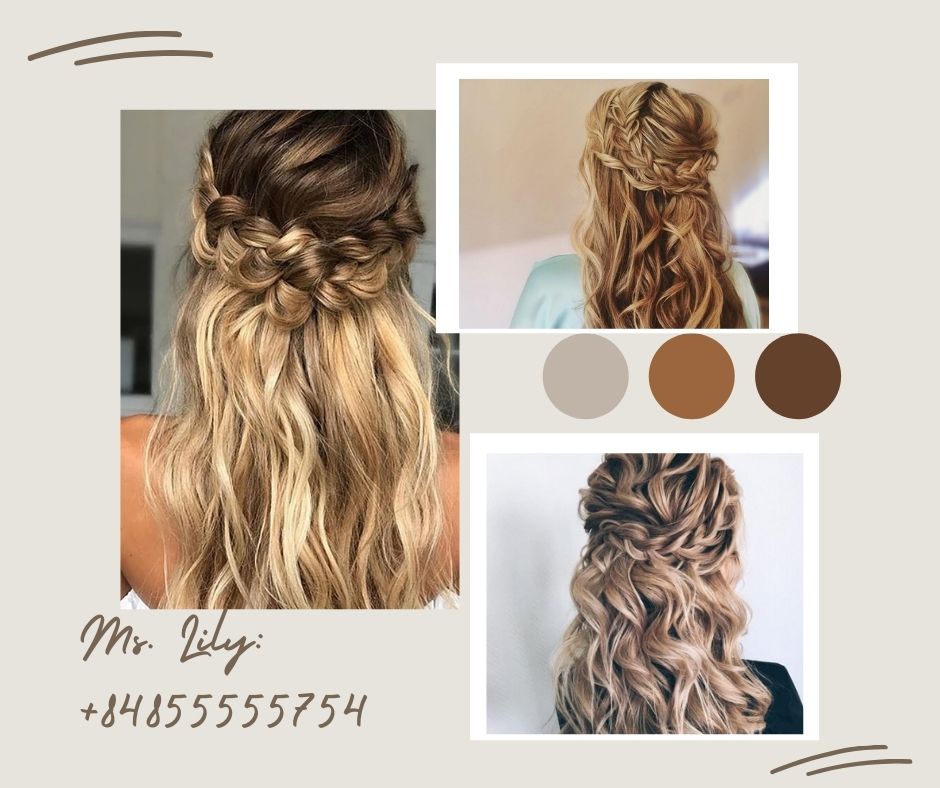
The Best Hair Extensions for Caucasian Hair
These five methods cover the full range of types of hair extensions for white women, from semi-permanent bonds to same-day clip-ins. We rank each one by who it suits best, and flag the methods worth skipping entirely.
Tape in Hair Extensions
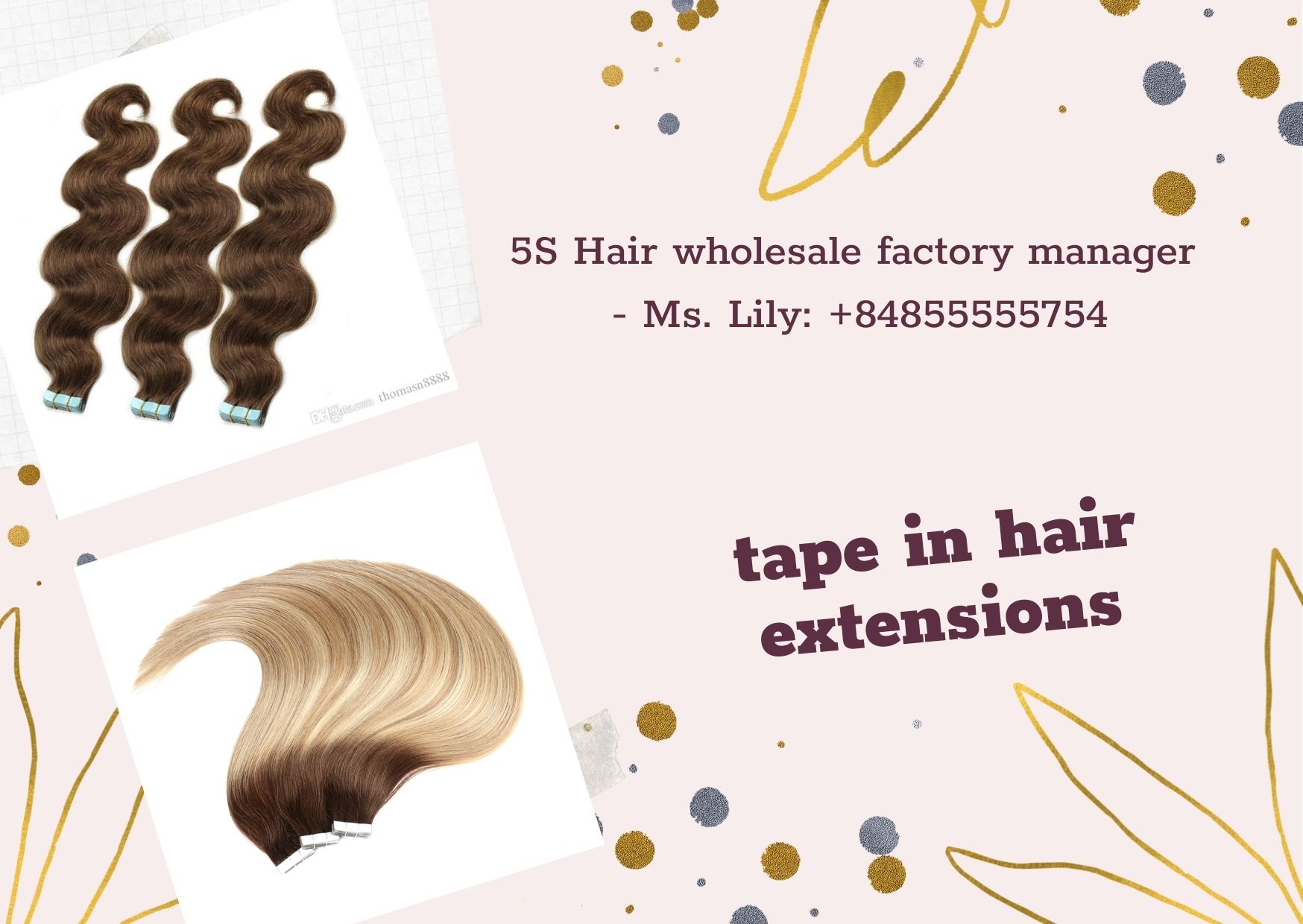
Tape-in hair extensions are a lightweight and popular option for fine or thin hair because they distribute weight evenly and create a natural-looking blend.
- They are attached with adhesive tabs and usually need to be repositioned every 6 to 8 weeks, depending on hair growth and aftercare.
- They can be reused when properly removed and maintained, but users should avoid applying conditioner, oils, or heavy styling products directly on the tape bonds, since these can weaken the adhesive.
- The extension color, texture, and density should closely match the client’s own hair for the most natural result.
Clip-in Hair Extensions for Caucasian Hair
Clip-in hair extensions are a convenient technique to achieve gorgeous hair. They are easy to apply and remove, making them a popular choice for people who want to change their hairstyle quickly.
- It’s as simple as clipping the extensions to your natural curls. It’s a quick process that takes about 10-15 minutes to apply and leaves your hair fuller.
- A full set usually includes multiple wefts in different sizes, allowing you to place the pieces where they blend most naturally with your own hair. With proper care, high-quality human-hair clip-ins can be reused for months.
- Clip-ins should be removed before sleeping, washing, or swimming. For the best results, choose a lightweight set that matches your hair color and density.

Microbead/Micro Link Hair Extensions
Tape hair extensions vs micro bead/micro link hair extensions are the best and most popular hair extensions for Caucasian hair.
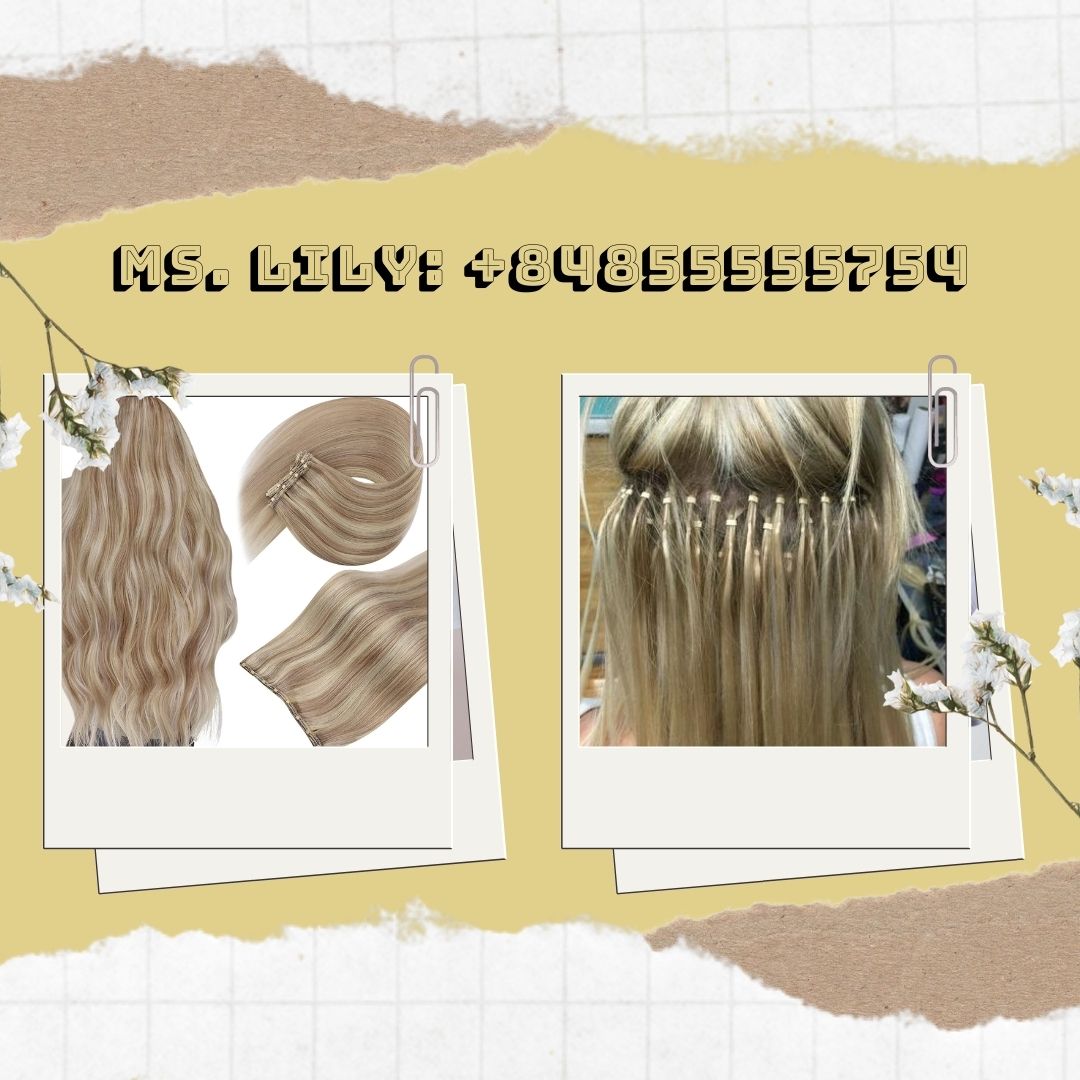
- Micro-link or micro-bead hair extensions are applied by threading small sections of natural hair through tiny beads and clamping them with pliers. They do not require glue or heat, and when installed properly, they can create a natural-looking result with good movement.
- These extensions work best when the color and texture are matched carefully to the client’s natural hair. They can be a good option for people who want added length or volume.
Flip-in Hair Extensions
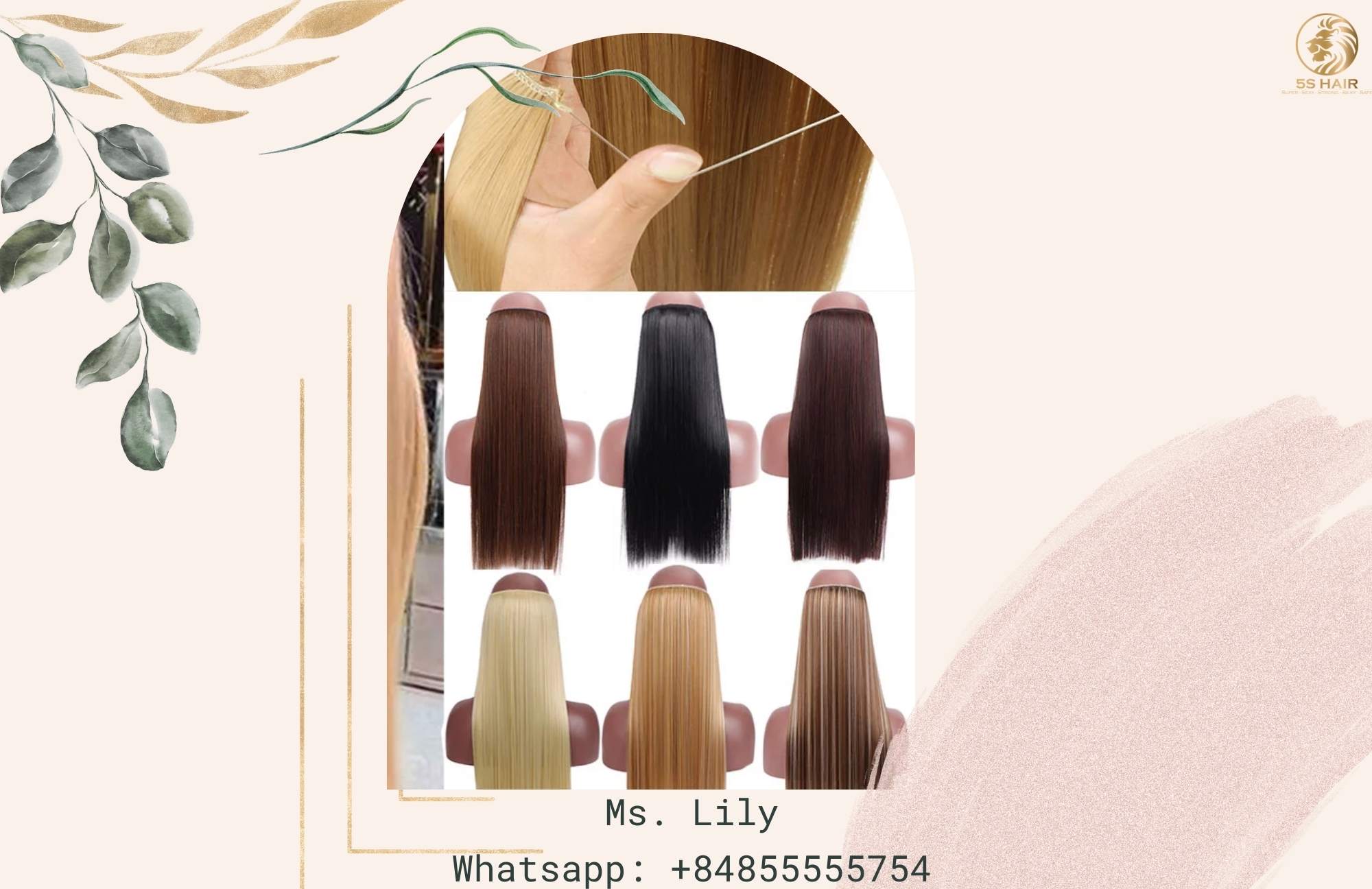
Flip-in, also known as halo extensions, are a temporary hair extension option that sits on the head using a thin, nearly invisible wire or band.
- They are popular because they are quick to apply, comfortable, and can add both length and volume without being attached directly to the natural hair.
- They can look very natural when the color, thickness, and length are matched well to the wearer’s own hair, especially when the top layer is long enough to cover the band.
Fusion Hair Extensions
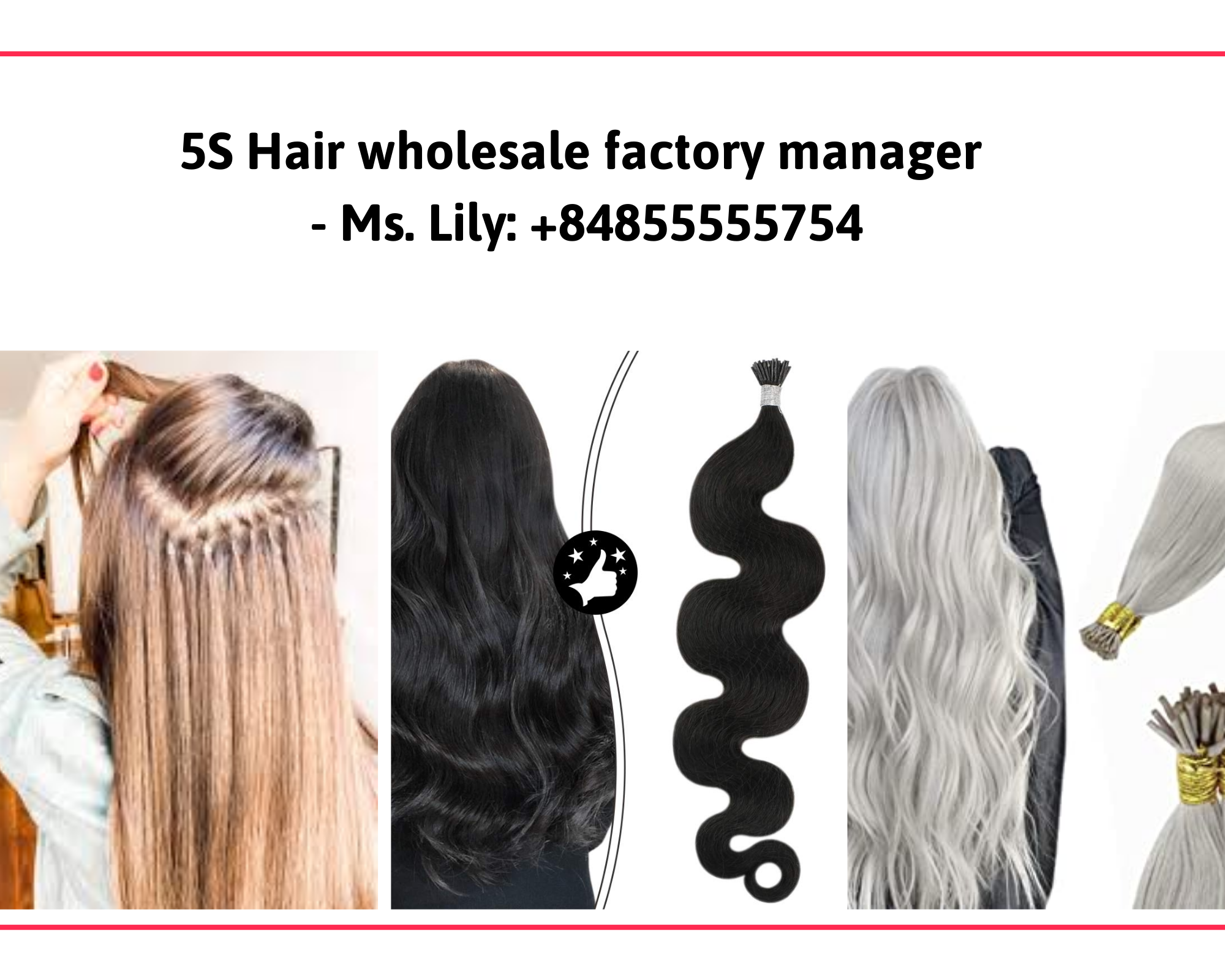
Pre-bonded, or fusion, hair extensions are attached strand by strand using keratin-based bonds rather than regular glue. Depending on the system, they are fused with heat or another professional bonding tool, then shaped to create a secure hold.
- Fusion extensions are a popular option for adding length and volume because they can look very natural and move well with the wearer’s hair. Installation usually takes a few hours, and with proper care they can last about 3 to 6 months.
- For aftercare, use products recommended by the stylist, avoid putting conditioner or oil directly on the bonds, and brush gently to prevent tangling and bond damage.
Read More: Top 9 Good Hair Vendors to Start a Business In The World
Choosing the Right Color for Caucasian Hair Extensions
Solid block colors look artificial on this hair type because natural hair rarely grows in one flat tone. Rooted, balayage, or highlighted shades mimic natural regrowth and blend seamlessly at the part line. This holds true whether the client is asking for hair extensions for caucasian women or a full head of platinum blonde.
Match your wave pattern before matching color. If natural hair dries with a slight bend, order a wavy or body-wave texture. Dead-straight extensions on textured hair create a visible split line, and no amount of curling will fully hide it after a few washes.
Conclusion
Caucasian hair extensions work best when the method matches the strand: fine diameter, oval cross-section, and higher scalp density all favor lightweight tape-in, hand-tied weft, halo, or seamless clip-in systems over heavy micro-links or tight sew-ins. Getting the gram weight right matters just as much as picking the right method, since overloading fine roots is what causes most extension damage.
Frequently Asked Questions
What are the best hair extensions for Caucasian hair?
Tape-in, hand-tied weft, and halo extensions work best for caucasian hair extensions because they distribute weight evenly across fine, low-density strands.
What’s the structural difference between Caucasian and Asian hair extensions?
On average, Asian hair tends to have a thicker diameter and a more circular cross-section, while Caucasian hair is often finer and more elliptical or oval in shape.
Are micro-link extensions safe for Caucasian hair?
Microlink extensions can be safe for some fine or medium-density hair when they are installed correctly and the client’s hair is strong enough.
What’s the best hair extension color for white or Caucasian hair?
Rooted, balayage, or highlighted shades blend better than solid block colors because they mimic natural regrowth patterns.
Can hand-tied weft extensions work on thin hair?
Yes. Hand-tied wefts sit on silicone-lined micro-beads instead of glue or heat, making them one of the safest options for thin, fine-diameter hair.
How long do sew-in extensions last on Caucasian hair?
Sew-in extensions typically last only two to four weeks on Caucasian hair. Silky, straight strands cannot hold a tight cornrow track as long as coarser hair textures can, so the rows loosen and slip early.
Do hair extensions damage fine Caucasian hair?
Only if the method is too heavy for the strand. Lightweight tape-in, halo, and hand-tied methods place minimal tension on the root and avoid damage over months of regular wear.
