
If you’ve probably daydreamed about turning your love for hair into an existing business in Nigeria, where the hair game is serious, figure out how to go from just an idea to making your first sale. Here’s how to start a hair business in Nigeria.
Step 1: Understand Hair Business in Nigeria
Nigeria’s human hair extension market is growing because of changing fashion trends, higher disposable income, and a greater focus on personal grooming. People are interested in wigs, weaves, and extensions made from both human and synthetic hair. Customers look for high-quality, durable products that look natural and offer a range of style options.
There is a growing opportunity for hair businesses in Nigeria. Many young, fashion-conscious people are interested in personal grooming and new hairstyles. Social media and celebrity trends help customers find and try new looks. More people want high-quality human hair extensions, and online sales and digital marketing are now important for reaching customers.
Nigeria’s hair-care market is also seeing more demand for natural and organic products – more customers are looking for chemical-free options.
There are risks to starting a hair business. New sellers can lose money if they buy the wrong products or invest too much before knowing what customers want. The market is competitive, with both local and international brands.
Costs can go up because of changes in exchange rates and import tariffs. And counterfeit products are also a problem – they can reduce customer trust and make it harder for real sellers to build a good reputation.
Step 2: Choose What Kind of Hair Business You Want to Build
Before spending money on stock, decide what your hair business in Nigeria will sell and who it will serve. Starting with a clear offer helps you build a reputation, understand customer demand, and manage your budget.
Decide Which Hair Products to Sell
You can go in several directions.
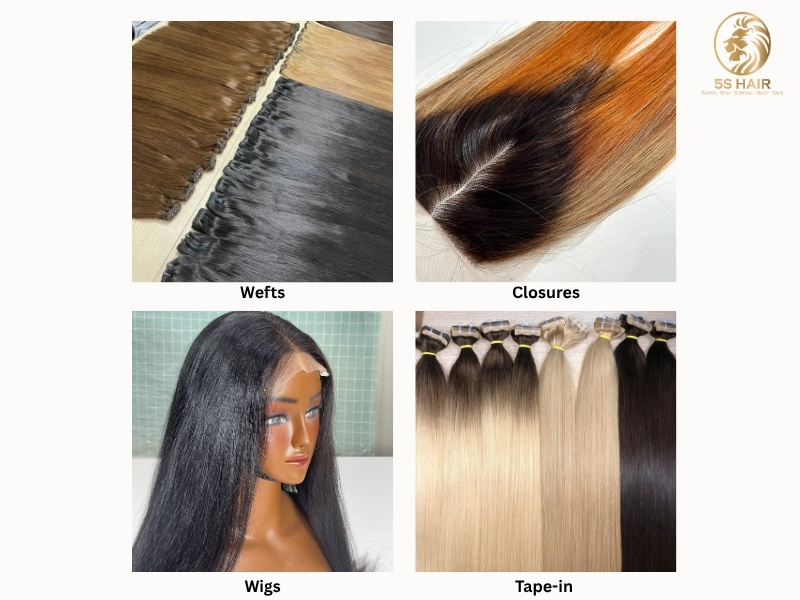
- You could sell hair extensions, including clip-ins, sew-ins, tape-ins, or fusion extensions in textures such as straight, wavy, and curly.
- You could focus on wigs, including lace-front or full-lace.
- Another route is natural hair care, such as shampoos, conditioners, scalp treatments, and styling products.
- You could also choose a specialty category, such as protective-styling products, thinning-hair treatments, beard care, or hair accessories like satin bonnets and scrunchies.
Match Your Product Range to Your Starting Budget
Do not put all your available money into inventory at the beginning. Begin with a small product range so you can test demand. This way, you avoid tying up money in stock that may take months to sell.
For example, if you have ₦500,000 to start, you could decide to spend around ₦250,000 – ₦300,000 on a small selection of popular hair extensions, rather than using the entire amount to buy many lengths, textures, and colors. The remaining funds can cover packaging, delivery, marketing, and unexpected expenses.
Many new hair businesses try to sell wigs, bundles, closures, frontals, extensions, and every texture at once. That spreads your cash and attention too thin.
A practical approach is to start with a few products you can confidently sell and restock, while keeping part of your money available for packaging, marketing, shipping, and unexpected costs. Expand your range after you have evidence that customers want more.
Pick a Specific Customer Segment
Finally, decide exactly who you want to serve. For example, you could focus on young Nigerian women who want affordable wigs for work, university, and everyday wear. Your product range could then center on simple, natural-looking wigs in popular styles and practical price ranges.
Choosing a specific customer group helps you make your branding and marketing clear. Instead of selling all hair products to everyone, build your brand around one clear group and its specific needs.
Step 3: Research the Nigerian Hair Market
In how to start a hair business in Nigeria, one step to take is to learn about your customers.
Find out what your customers buy, the problems they face, where they shop, and what they are willing to spend. For a hair business, this could mean asking potential customers about their preferred textures, lengths, wig styles, maintenance concerns, or their budget.
For example, if you plan to sell wigs to working women in Lagos, you may notice that many prefer natural-looking wigs that are easy to care for and can be worn every day. Use this insight to choose products based on real customer needs, not just what is trending.
Once you understand your customers, study competing hair businesses. Look at their products, prices, marketing, customer reviews, and the type of audience they attract. This can reveal both successful approaches and gaps you could fill.
For instance, you could position your business around affordable, ready-to-wear human-hair wigs for busy professionals. Or you could offer high-quality curly bundles for customers who like textured styles, instead of opening a general hair store.

Step 4: Decide Whether to Import or Buy Through a Local Network
Importing hair from suppliers in Vietnam, China, or India can give you a wider range of products and potentially competitive supplier prices. The supplier’s price is only one part of your total cost. You also need to include shipping, packaging, payment fees, and other business expenses.
Before you place a large order, work out the total cost for each product. Compare this cost with the price you could charge in Nigeria.
If you have limited funds or want to test demand before committing to larger imports, buying from a local distributor or supplier may be a better choice. This lets you compare several suppliers and negotiate prices based on your expected sales volume.
Whichever sourcing route you choose, plan for delays and supply disruptions. Include inventory and unexpected expenses in a startup budget.
| Factor | Import Directly | Buy From Local Suppliers |
| Product range | Usually offers access to a wider range of textures, lengths, styles, and product types. | Selection depends on what local distributors have in stock. |
| Supplier price | Typically competitive wholesale prices | Unit prices may be higher because the supplier has already handled importing and distribution. |
| Total cost | Must include hair cost, international shipping, packaging, payment fees, customs or other import-related expenses, and business costs. | Usually simpler to calculate because many logistics costs are already built into the supplier’s price. |
| Starting capital | Often requires more money upfront because you may need to place a larger order and cover shipping. | Can be more suitable for a smaller starting budget. |
| Shipping & logistics | International shipping | Local delivery |
| Quality control | You can work directly with the manufacturer or supplier, but you need to verify samples and quality before ordering in bulk. | Easier to inspect available products before buying, depending on the supplier. |
| Flexibility | More control over product specifications and future orders. | Easier to switch between suppliers and compare products locally. |
| Main risk | Delays, unexpected import costs, and receiving products that do not match expectations. | Higher prices, limited selection, or inconsistent availability. |
| Best suited for | Businesses with more capital, predictable demand, and a reliable international supplier. | New businesses that want to test products, reduce upfront risk, or start with smaller quantities. |
Read more: Vietnam Hair Factory in Nigeria: How to Buy Direct From Vietnam
Step 5: Pick a Reliable Hair Supplier
Never rely only on catalog photos, social media, or what a supplier says. Request samples before you order. Check if the product matches the description. For human hair, look at the texture, weft construction, shedding, tangling, smell, and overall appearance. For hair-care products, review the ingredients and confirm they match your brand’s claims and positioning.
Before you place an order, confirm these details:
- Minimum order quantities (MOQ) and available textures, lengths, or colors
- Product specifications and quality standards
- Lead times and shipping arrangements
- Packaging and labeling requirements
- Payment terms and accepted payment methods
- What happens when products arrive damaged, incorrect, or below the agreed standard
A reliable supplier communicates clearly and regularly. Before you pay, confirm that both sides agree on product details, quantities, prices, delivery times, and quality standards.

Step 6: Set Up the Hair Business in Nigeria and Organize Your Money
After you choose your niche and supplier, make your business official and set up a clear financial structure.
- Register Your Business: For a Nigerian hair business, one of the first formal steps is registering the business with the Corporate Affairs Commission (CAC). Before filing, choose a distinctive name and check its availability through the CAC registration system.
- Understand the Tax Considerations: Tax obligations depend on your business structure, turnover, activities, and where you operate. Nigeria’s tax framework changed from January 1, 2026, with the new Tax Acts applying to relevant accounting periods from that date.
- Create a Simple Startup Budget: List how much you need before your first sale and what you need to keep the business running afterward. Include product inventory, rent or workspace, equipment, professional services, marketing, technology, licenses, accounting, and other operating costs.
For example, if you have ₦1,000,000 available, you might allocate:
| Budget item | Allocation | Percentage |
| Initial hair inventory | ₦500,000 | 50% |
| Shipping & sourcing costs | ₦120,000 | 12% |
| Packaging & branding | ₦80,000 | 8% |
| Marketing | ₦100,000 | 10% |
| Registration & administrative costs | ₦50,000 | 5% |
Adjust your budget based on your supplier, product range, and selling model.
Step 7: Price Your Hair Products
Calculate your landed cost. This is the total amount the product costs you before it reaches your customer. It can include:
- supplier price
- shipping
- customs and clearing charges
- packaging
- branding
- payment processing fees
- delivery costs
- losses from damaged or unsold stock
Your overall margins must also cover marketing and operating expenses.
For example, if a bundle costs ₦50,000 from your supplier, you should not automatically price it at ₦60,000. If shipping, packaging, payment fees, and other costs add ₦10,000, your real cost is already ₦60,000. Then add a profit margin that makes the sale worthwhile.
Next, compare your price with other businesses selling similar hair. Look at length, texture, quality, density, and origin. Prices in Nigeria can vary widely across these categories, so don’t rely only on the headline price.
Decide if your brand will compete as budget, mid-market, or premium. Customers are more likely to accept a premium price if they see better hair quality, attractive packaging, or stronger guarantees. Avoid pricing too low simply to win your first customers.
Step 8: Build Your Hair Brand
This step is important. Nigerian beauty customers often find new brands on Instagram and TikTok. Reviews and clear before-and-after photos help build trust.
Start by writing down three basics:
- Who you serve. For example, working women in Lagos who want low-maintenance wigs.
- What you promise. This could be consistent quality, natural-looking textures, or fast local delivery.
- What makes you different. You might offer transparent pricing, carefully tested suppliers, custom options, or strong after-sales support.
Hair is a visual business, so prioritize platforms where customers can see your products. Post clear photos and videos on Instagram to show your products, customer transformations, and testimonials. Use TikTok to reach younger customers with short, real videos. WhatsApp and Facebook are among the most widely used social media platforms in Nigeria.
Also, ask happy customers for reviews and permission to repost their results. Over time, these experiences can become one of your strongest marketing assets. Your brand should make customers feel that they are buying from a reliable hair expert.

Step 9: Build Trust and Reduce the Risk of Losing Money
Do these things:
- Be clear about product quality. Tell customers the hair type, length, texture, color, construction, options, care instructions, and what the price includes. Only make quality claims you can prove.
- Set clear policies before taking orders. Tell customers when their order is confirmed, how long processing takes, what happens if something is out of stock, and your rules for returns or exchanges. If a customer gets the wrong length or texture, explain how to report the problem and what proof you need.
- Protect your cash flow. Do not spend most of your money on inventory that sells slowly. Start with a small product range and add more options as you grow.
Keep business money separate from personal spending. Check your income and expenses often. Finally, verify suppliers before sending large payments and maintain more than one sourcing option where practical.
Final Thoughts
You do not need a showroom, large inventory, or a huge advertising budget to start a hair business in Nigeria. The real risk is investing heavily before you know what local customers want. Start small with a simple offer you can test. This makes it easier to find products and reach customers. It also helps the right customers trust that you understand the hair they want.
Read more: How to Import Hair from Vietnam to Nigeria: Step by Step Guide
Frequently Asked Questions About Starting a Hair Business in Nigeria
Which beauty business is most profitable in Africa?
Hair care and hair extensions are among the most profitable beauty businesses in Africa. Skincare and cosmetics are also highly profitable, especially in South Africa.
Is a hair business profitable?
A hair business can be profitable, but profitability depends on your sourcing costs, product quality, pricing, sales volume, and ability to control expenses. Demand for wigs, extensions, and other hair products remains strong, while Nigeria’s human hair extension market is supported by fashion trends, social media influence, personal grooming, and a growing preference for quality products.
How much do I need to start up a hair business in Nigeria?
You can start a home-based online hair business with much less money than a physical shop. Many small online hair businesses in Nigeria begin with ₦100,000 to ₦300,000, depending on the products and sourcing method. In some estimates, you can start with basic hair-vendor startup costs as little as ₦50,000 to ₦200,000.

Pingback: Raw Cambodian Hair Factory Reviews: Guide to Starting a Hair Business