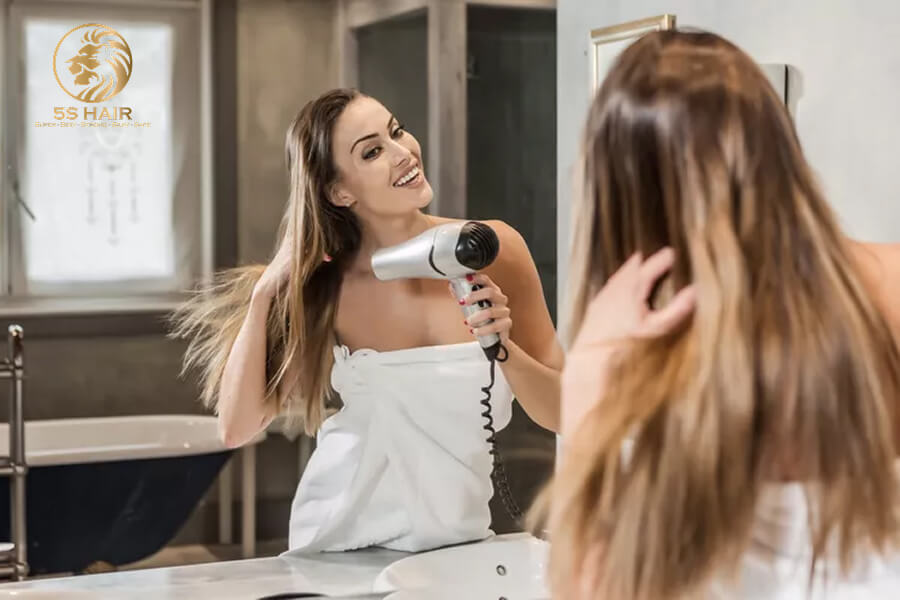
From a hair professional perspective, the way you handle them while wet determines whether they last six months or six weeks. Unlike natural hair, extensions do not receive sebum (natural oils) from the scalp to protect the cuticle, making the drying process the most critical stage of maintenance. I used to have trouble with wet extensions, but now I’ve figured it out and it’s actually quite easy.
Let’s discover how to dry hair extensions properly to maintain your flawless extension the best way!
Why is drying extensions different from natural hair?
Natural hair is hygroscopic, meaning it absorbs water. When hair is wet, the internal hydrogen bonds are temporarily broken, stretching the hair shaft and lifting the cuticle. In this state, the hair’s “elastic limit” is much lower; it is significantly more prone to snapping and permanent deformation.
For hair extensions, this vulnerability is doubled because the extensions have often been chemically processed to achieve a specific color or texture.
If extensions are not dried correctly, you face three primary structural risks:
- Matting: Damp hair fibers expand and rub against each other. Without the natural protection of your scalp’s oils, the cuticles can “hook” into one another, creating irreversible tangles at the root.
- Bond Slippage: Water acts as a lubricant. For tape-ins or keratin bonds, prolonged moisture softens the adhesive or the polymer, leading to premature shedding.
- Bacterial growth (the “musty” smell): Keeping the attachment points damp creates a dark, humid environment—a breeding ground for Malassezia (fungus) or bacteria. This can lead to scalp irritation and a persistent unpleasant odor.
Preparing to dry hair extensions properly
Proper drying begins the moment you step out of the shower. Immediate mechanical stress is the leading cause of extension damage.
The veil method
When hair extensions are wet, they can absorb up to 30% of their weight in water, making them incredibly heavy. If you twist them into a traditional towel turban, that extra weight pulls directly on the bonds or tapes. This constant “tugging” tension is the leading cause of extensions sliding down or, worse, causing thinning at your natural roots.
Every time you move a rough towel, you’re micro-tugging the hair, which leads to fraying, frizz, and weakened attachments.
The veil method is a specific technique designed for extensions. This method keeps the hair flat by simply draping a microfiber towel over your shoulders like a cape. After that, lay your hair against it. Instead of rubbing your hair, roughing the hair cuticle, use a sandwich motion.
Take a section of hair between the folds of the towel and gently press or pulse your hands together to squeeze the water out.
Expert tips: Using a microfiber or an old cotton T-shirt instead of normal standard bathroom towels. Their completely smooth surface keeps the hair cuticle closed and flat, making extensions look shiny and preventing “bird-nest” tangling after a wash.
Detangling essentials
Never brush extensions starting from the top. Use a wide-tooth comb or a loop brush (specifically designed for extensions).
The Bottom-Up Rule: Secure the hair in a ponytail grip with one hand to neutralize tension on the bonds, then detangle the last 3 inches, moving upward in small increments.
Product layering & pH balance
To maintain the cuticle’s “seal,” use a professional-grade heat protectant.
- pH Concern: Extensions thrive at a slightly acidic pH (4.5–5.5). Ensure your leave-in conditioners fall within this range to keep the cuticle closed and shiny.
- Avoid the Bonds: Apply oils and creams only from the mid-lengths down. Getting oil-based products on your tapes or bonds will cause them to slide.
Drying by extension type
Making your hair extensions dry naturally is one of the two most popular ways to dry hair extensions. However, it will take your time and you must make sure to dry your hair completely before combing or going to bed.
Not all drying methods are created equal. Using the wrong technique for your extension type doesn’t just waste time – it can lead to shedding, matting and a shorter lifespan for your hair extensions. Here is how to master the drying methods for every extension type.
Temporary extensions (Clip-ins & Halos)
Unlike permanent extensions, clip-ins and halos are not attached to your scalp, so you don’t have to worry about “damp roots” causing itching or bacteria. Air-drying is the gentlest method possible; it completely eliminates heat damage, which is the best way to keep the hair soft and prolong its lifespan.
However, you should pay attention when buying low-quality tip-in/ tape-in hair extensions. Because they can be melted when heat hits and melts the glue and tape. If you are looking for a reliable hair extension brand to purchase a high -quality product, then don’t forget to visit 5S Hair – the best Vietnamese hair factory from Vietnam.
Since you can remove temporary pieces, you can ensure the weft (the top fabric part) is 100% bone-dry before wearing it. This keeps the attachments sturdy and your scalp healthy. With permanent hair, moisture trapped at the bonds can soften the adhesive or cause irritation.
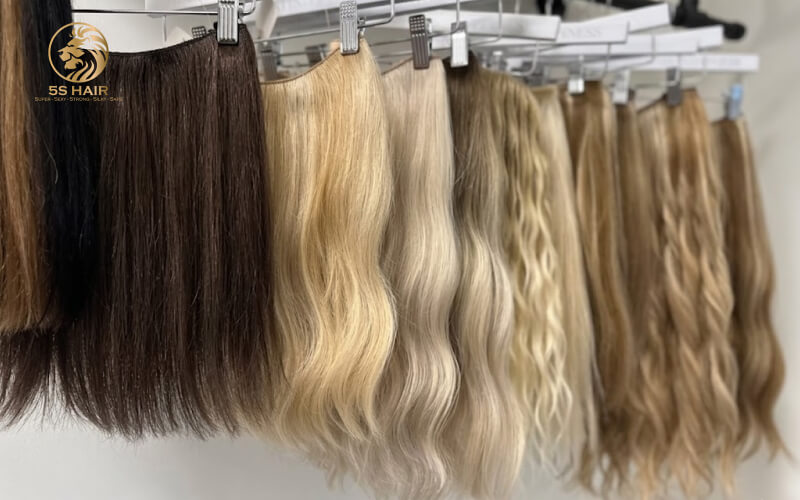
You can use an extension hanger which allows for 360-degree airflow, which prevents the musty smell that happens when hair dries flat on a towel. Hanging them up lets gravity pull the hair straight as it dries.
Permanent extensions (Tapes, Micro-rings, Keratin bonds)
When you can let the ends of your hair-dry to save time, the bonds or tapes must be blown-dry 100%. Leaving the attachment points damp for hours can soften the adhesive or cause hair inside the rings to swell, leading to slipping. Keeping the roots dry is the best way to ensure your extensions stay secure and your scalp stays healthy.
Damp roots are heavier and more flexible, which causes the extensions to “sag” and pull your natural hair. This extra weight creates unnecessary scalp tension and can lead to irritation or itching.
Drying the bonds immediately after washing locks them into a stable position, protecting your natural hair from the strain of “wet weight”.
After using medium heat to dry the attachments, finish with the “cool shot” button for 30 seconds. This sudden drop in temperature helps “re-set” adhesive or keratin bonds, making them firm and secure again. It also soothes the scalp from the heat and seals the hair cuticle, giving your roots a smoother, shinier finish.
Sew-in weaves & braids
The most difficult part of a sew-in to dry is the braided track hidden beneath the weave. Because these braids are dense and tucked away, they act like a sponge, holding onto moisture long after the rest of your hair feels dry.
Using a concentrated nozzle attachment is essential here, as it directs powerful airflow specifically into those tight spaces that a regular dryer would miss.
To dry effectively, work your way along each track methodically with your dryer on a medium-heat setting. Lift the hair extensions to expose the braid and move the nozzle slowly from one side of the head to the other. This targeted approach ensures that the foundation of your style is secure and dry, preventing the itching and heaviness that comes with trapped water.
Step-by-step professional blow-drying technique
Step 1: The rough dry
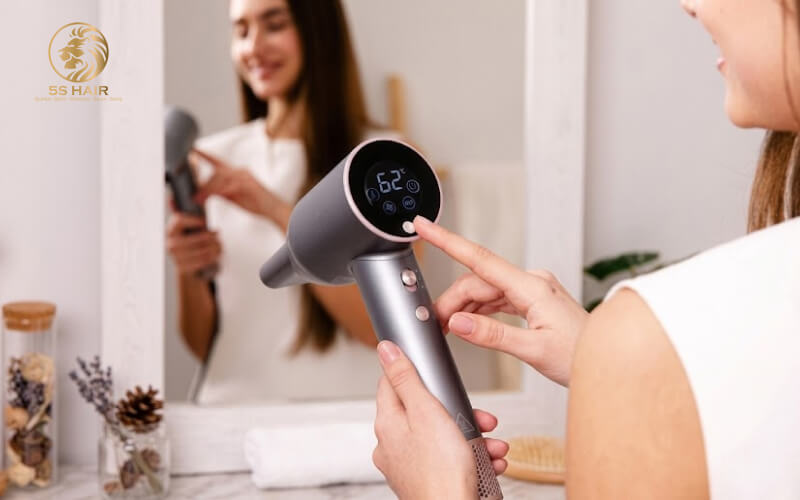
Start with your dryer on a medium-heat, high-airflow setting. Use your fingers to gently move the hair around the roots. Focus on getting the bonds bone-dry before moving to the lengths.
Step 2: Sectioning
Use professional “crocodile” clips to section your hair into at least four parts. Drying extensions in bulk leads to “surface drying,” where the outside looks dry but the internal layers remain damp and prone to matting.
Step 3: Directional airflow
Always point the dryer nozzle down the hair shaft (from root to tip). Hair cuticles are like shingles on a roof; drying from the bottom up “ruffles” the shingles, leading to instant frizz and tangles.
Step 4: The finishing touch
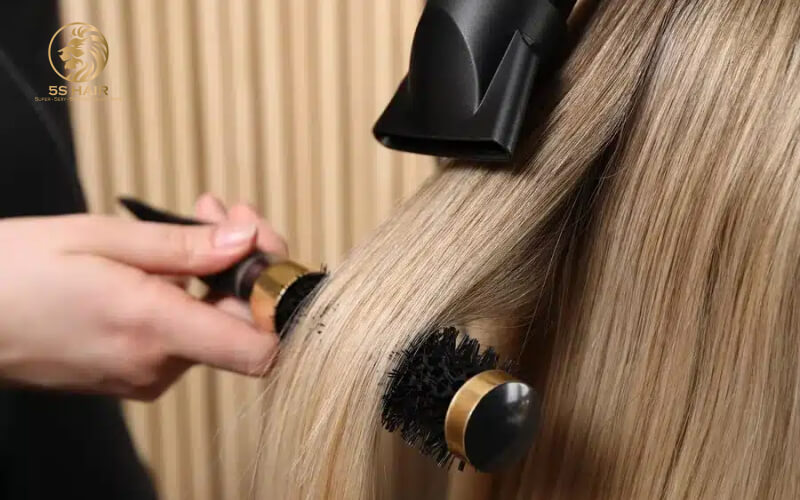
Once your hair hits 90% dry, use a boar-bristle brush to provide gentle tension. This will smooth the cuticle and adds a natural luster without the need for high-heat flat irons.
The professional tips for drying extensions
Temperature control
Extensions are usually “dead” hair; they cannot repair themselves. Never exceed 180°C (350°F). Anything higher can melt the keratin in the hair, leading to “bubble hair” (internal steam bubbles that shatter the hair shaft).
Ionic vs. Ceramic technology
The core issue with drying hair extensions is hydrophobic vs. hydrophilic balance. Because extensions are no longer attached to a living follicle, they lack the sebum (natural oil) delivery system that protects natural hair from “flash-drying.”
When you apply heat, you aren’t just evaporating surface water; you risk boiling the moisture trapped inside the hair cortex, leading to “bubble hair” or permanent cuticle lifting.
Here is why the choice between Ionic and Ceramic technology is the only factor that determines the lifespan of the hair:
- Ionic Dryers: Best for extensions. They emit negative ions that break down water molecules faster, reducing drying time and heat exposure.
- Ceramic: Provides even heat distribution, preventing “hot spots” that can singe extension hair.
Avoid drying hair extensions upside down
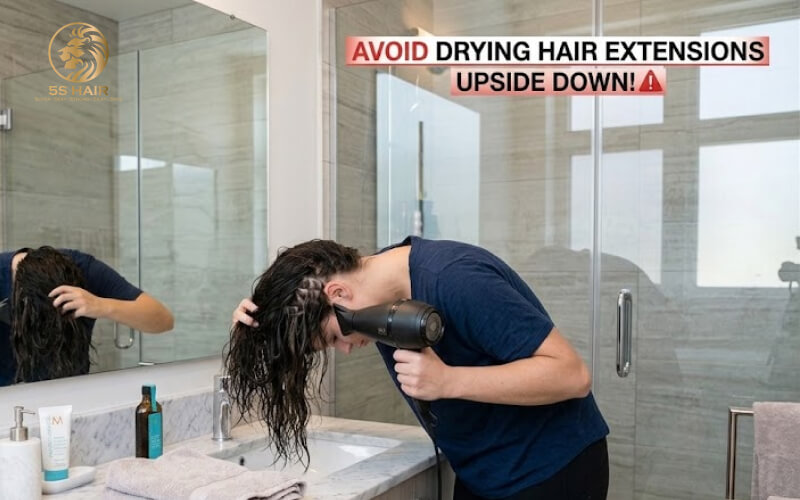
Do not dry your hair upside down. While “flip-drying” is a popular way to add volume to natural hair, it’s a recipe for disaster with extensions.
When you dry your hair upside down, the extensions hang in an unnatural direction, causing them to swing and tangle with your natural strands right at the scalp. This creates “root-looping,” a frustrating type of matting that is extremely difficult to detangle without damaging your hair.
Drying upside down puts unnecessary weight and tension on the attachments from an awkward angle. Instead of the extensions laying flat and following the natural growth of your hair, they pull “against the grain.”
By drying your hair in an upright, neutral position, you ensure the bonds stay aligned and the cuticles stay smooth, preventing the friction that leads to knots and premature shedding.
Moisturizing the extensions
Don’t forget to moisturize your extensions after drying. As soon as the hair is 80-90% dry, you should apply a moisturizing serum or lightweight gel to add moisture to your hair. This easy essential step replenishes the hair’s natural luster and prevents the brittleness that leads to breakage.
FAQs
Properly drying your hair extensions is the single most important step in preventing matting, shedding, and bond damage. We’ve rounded up the essential answers to your most common drying dilemmas so you can keep your mane looking salon-fresh for months.
1. Why do my extensions feel dry and frizzy after drying?
This is usually due to hard water minerals (calcium/magnesium) or product buildup. If the drying process makes them feel stiff, use a chelating spray or a clarifying treatment (mid-lengths only) once every two weeks.
2. Can I sleep with wet extensions?
Never. This is the fastest way to ruin your investment. Sleeping on wet extensions causes extreme friction and matting that often requires professional removal. If you must sleep before they are dry, finish the roots and braid the lengths tightly.
3. How long should drying extensions actually take?
A full head of extensions can take 2x to 3x longer to dry than natural hair. Expect 30–45 minutes for a thorough, safe dry.
4. How often do you wash your hair with extensions?
You should wash your extensions 2 to 3 times a week. You should not wash them every day because it can dry out the extensions and cause the bonds/ tapes to break down prematurely.
Final thoughts
Mastering drying hair extensions correctly is vital to prevent scalp irritation, matting or bond slippage. You can significantly extend the life of your hair by ensuring your attachment points are 100% dry and using directional airflow to seal the cuticle. For more professional maintenance tips, read our blog to keep your style perfect every day.
