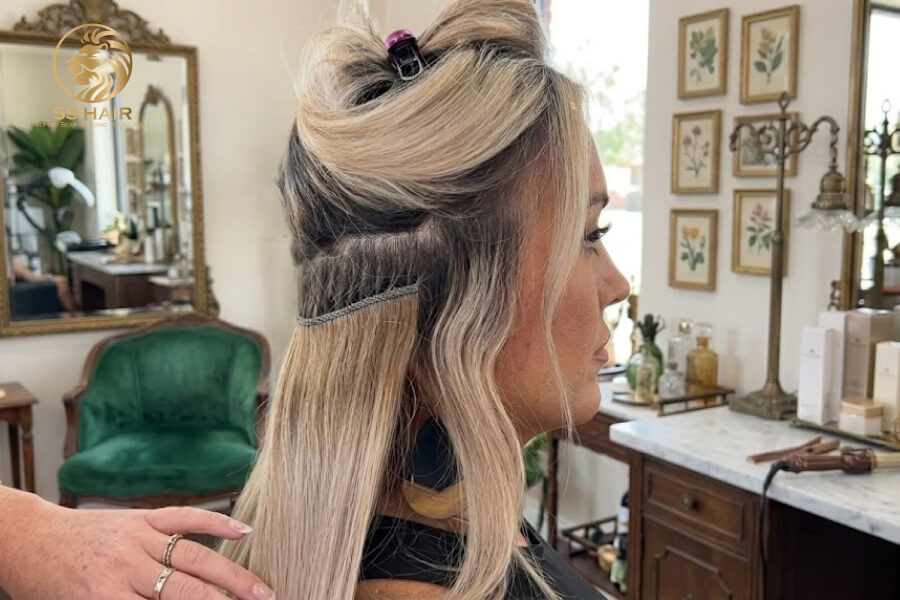
With years of hands-on experience in the extension industry, I can tell you confidently: extensions cannot biologically speed up hair growth. However, your hair can absolutely still grow and thrive while you are wearing them.
How is that possible? What is the secret to unlocking incredible length retention without damaging your strands? Let’s dive deep and separate the facts from the myths in the comprehensive guide below!
Can extensions help hair grow?
Extensions won’t make your hair grow any faster from your head. But they do protect your hair from breaking, which helps it finally get longer.
To understand how this works, we have to look at the trichological distinction between hair growth and length retention. Trichology is simply the scientific study of the hair and scalp.
Every strand of hair on your scalp grows from a tiny living organ called a follicle. These follicles operate on a genetically predetermined cycle that controls how long your hair can actually get.
The cycle consists of three distinct phases. The first phase is Anagen, which is the active growth stage where cells divide rapidly at the root. This phrase lasts anywhere from 2-7 years depending on your DNA.
Next comes the Catagen phase which is a short two-week transitional step. During this time, the hair follicle shrinks and detaches from its blood supply, effectively cutting off its food source.
Finally, the natural hair enters the Telogen phase with a resting period lasting around 3 months. The old hair sits dormant until eventually sheds, allowing a brand-new strand to begin the Anagen phase all over again.
Since extensions are anchored strictly to dead, keratinized hair outside the skin, they exert zero biological influence over your scalp. Keratinized hair is just hardened protein that has already left the live follicle. Therefore, extensions cannot speed up your metabolism, alter your genetics, or prolong your Anagen phase.
However, most people who struggle to grow their hair aren’t actually suffering from a lack of growth at the root. Instead, they are experiencing severe mechanical breakage at the ends.
Daily heat styling, aggressive brushing, and environmental friction snap fragile ends off just as fast as new hair grows. When the bottom breaks at the same speed the top grows, your hair appears permanently stuck.
Extensions act as a literal protective shield for your strands. By absorbing the daily wear and tear of curling irons and brush bristles, they allow your natural hair to rest undisturbed underneath and accumulate visible length.
Total hair length = Biological hair growth (Follicle) – Mechanical breakage (Ends)
How to grow your natural hair while wearing extensions?
Growing your natural hair while wearing extensions is not an easy matter. It requires a highly strategic approach. If it is not managed carelessly, the added weight can cause stress to the roots and traction alopecia.
To ensure extensions support your growth goals, you must treat them as a high maintenance proactive style. This requires mastering the 4 main factors below.
Choose the right extensions
Not all extension methods are safe for a growth journey. The ultimate goal is to maximize weight distribution across your natural strands while minimizing the use of harsh chemicals or high-heat adhesives during installation.
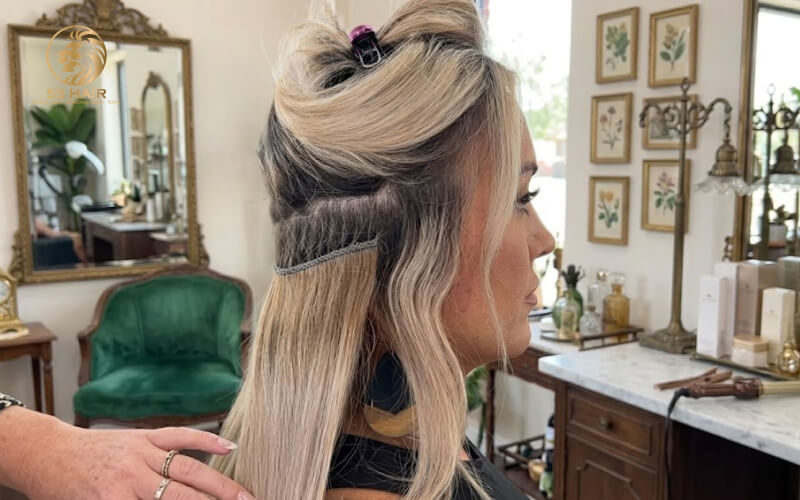
Hand-tied wefts: hand-tied wefts are curtains of hair sewn onto a horizontal track of silicone-lined micro-beads. The tension risk is incredibly low because the weight is distributed uniformly across a wide section of hair.
This method is excellent for hair retention. It uses no heat or harsh glues, leaving the maximum amount of your natural hair completely untouched. It is best suited for fine, normal, or dense hair looking for low-stress volume.
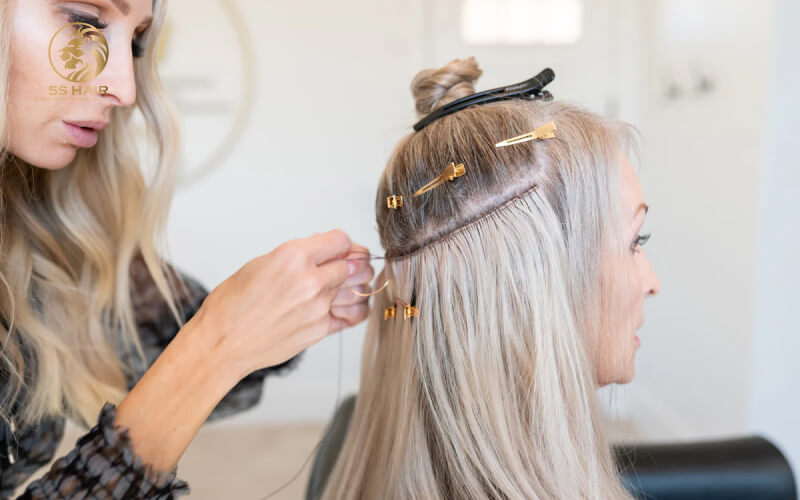
Tape-ins: tape-ins use medical-grade adhesive strips that sandwich thin sections of your natural hair. The tension risk is low to medium because the flat bonds distribute weight evenly across a flat surface.
This method is very good for growth because the panels are extremely lightweight, which minimizes single-strand tension. It is best suited for fine or thinning hair that needs a seamless, completely flat application.
Keratin bonds (K-tips): keratin bonds are individual clusters fused to tiny sections of hair using a heated protein tool. The tension risk is medium to high because it exerts a 360-degree rotational weight on small groups of strands.
While they offer good retention and allow full scalp accessibility, they require meticulous professional removal to prevent damage. They are best suited for high-activity lifestyles and high styling versatility, like high ponytails.
Traditional sew-ins: traditional sew-ins involve sewing hair wefts directly onto a tightly braided cornrow base made of your natural hair. The tension risk is high if the structural cornrows are braided too tightly against the scalp.
This method offers moderate retention friendliness; it provides excellent protection for your hair ends, but it can suffocate the scalp if left in too long. It is best suited for coarse, thick, or naturally highly textured hair profiles.
Cleansing, moisturizing and detangling regularly
Cleansing, moisturizing and detangling are care routines that maintain flawless extensions you need to follow up. Those will prevent the natural hair underneath from becoming matted, dehydrated, or brittle.
Cleansing: About cleansing your hair extensions properly, use a lightweight, sulfate-free clarifying shampoo to cleanse your skin thoroughly. Step by step, you put shampoo and water into a squeeze bottle to thin it out. After that apply it directly onto the scalp between your rows. Mix the shampoo with water in a squeeze bottle and apply it directly between your rows or tracks.
Accumulations of sebum (natural scalp oil), styling products, and dead skin cells can clog follicles. This blockage induces inflammation and can slow down healthy hair production.
Moisturizing: Strategic hydration is a must for flawless extensions. Focus heavy conditioners, leave-in serums, and oils strictly from the mid-shaft to the ends of the extensions.
Remember never apply heavy oils or conditioners directly to the installation bonds or tapes. The lipids in these products will soften the adhesive or lubricate the beads, causing the extensions to slide right out.
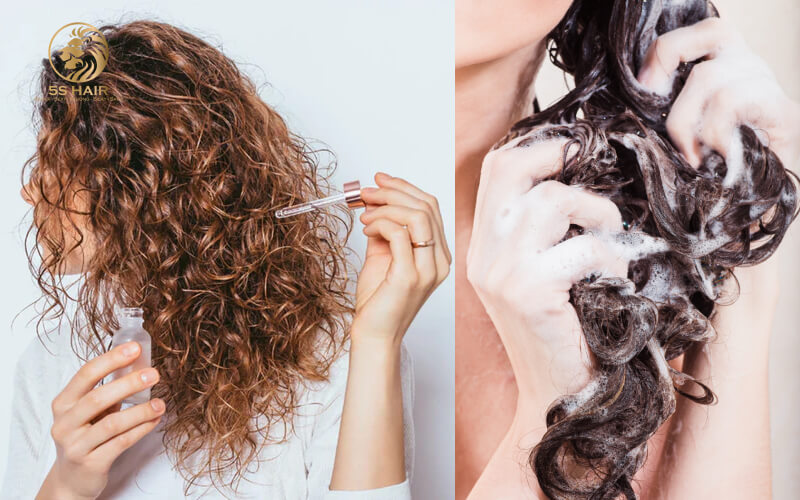
Detangling: For detangling extensions, always use a specialized extension loop brush. The bristles are looped so they glide seamlessly over bonds without snagging.
Always gather your hair into a low ponytail with one hand, holding it securely against your head to anchor the roots. Use your other hand to gently detangle from the ends upward, which eliminates mechanical tugging on your follicles.
Learn more about the proper way to brush out your hair extensions here.
Stick to the maintenance plan
We naturally shed roughly 50 to 100 hairs every single day as our follicles transition into the Telogen phase. When you wear semi-permanent extensions, these shed hairs cannot fall out; they remain trapped inside the bond or bead.
As weeks pass, fewer active natural hairs remain anchored within the bead to support the heavy weight of the extension weft. The ratio of extension weight to supportive natural hair strands changes drastically.
If you delay your salon maintenance past the recommended 6 to 8 weeks, the increasing weight-to-strand ratio will overstress the remaining hair. This structural fatigue will cause your natural hair to snap right at the root.
Regular salon move-ups are non-negotiable. During these appointments, your stylist resets the structure, safely clears out the trapped shed hair, and ensures the weight is safely redistributed.
Take breaks between hair extensions
Extensions constantly pulled on your scalp can hurt your hair roots over time. After 2 extensions cycles for about 4-6 months, you should leave your extensions out for 1-2 weeks.
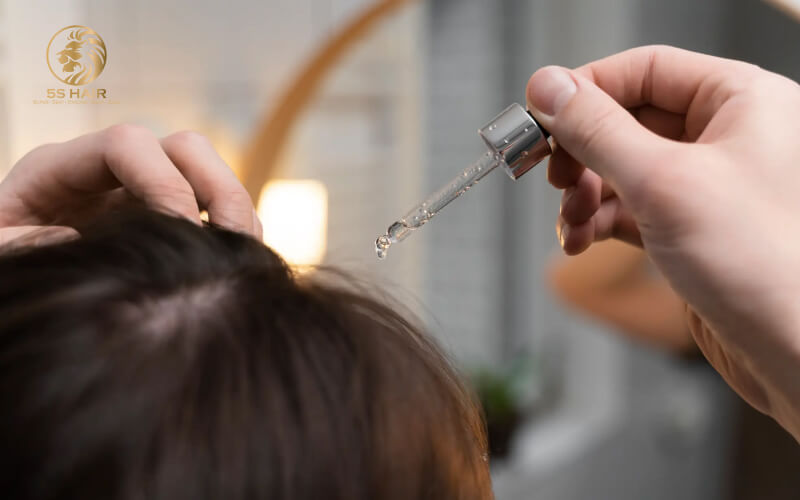
Using this time to pamper and grow your natural hair. Let’s put healthy treatments like rosemary oil or lightweight serum directly on your scalp. It’s also a great time to use a deep-conditioning mask to strengthen your hair. Getting a quick trim to cut off split ends before your next extensions is an ideal choice.
FAQs
So, you are still wondering, do extensions stop hair growth or how to support hair growth while wearing extensions? Let’s figure them out!
1. Do extensions stop hair growth?
No, extensions do not stop your hair from growing. Your hair will keep growing from the roots at its normal speed. However, if extensions are put in wrong, are too heavy or not being taken care of in the right way, it’s horrible. They can cause your hair to break.
2. How to support hair growth while wearing extensions?
To keep your hair strong while wearing extensions, focus on good nutrition and gentle daily habits:
- Eat well: Add in plenty of protein, iron, zinc, and healthy fats (like omega-3s). These give your body the building blocks it needs to grow hair.
- Massage your scalp: Gently massage your scalp with your fingertips a few times a week is a good way. This action boosts blood flow, which brings oxygen and nutrients to your hair roots.
- Protect your hair at night: Put your hair in a loose, low braid before bed and sleep on a silk or satin pillowcase. This stops your hair from rubbing and breaking while you sleep.
3. What are the best extensions for growing out hair?
Hand-tied wefts and tape-in extensions seem the best choices if you want to grow out your natural hair. Both methods spread the weight of the extensions across a wider, flatter area of your head. This prevents too much pulling on single strands of hair, keeping your roots safe.
Final thoughts
Hair extensions can be a great way to boost your confidence while growing out your hair, but they do require good care.
To keep your hair healthy, choose a certified stylist, pick a lightweight extension method that matches your hair type, and follow a good washing and brushing routine at home at 5S Hair website!
