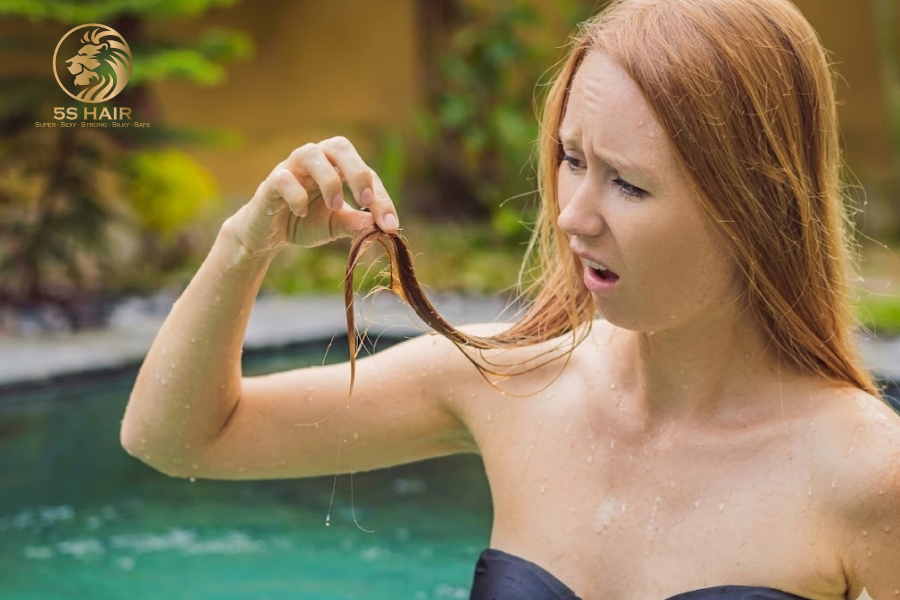
Whether you’re planning a beach vacation, heading to the pool, or just stepping into the shower, one question always pops up: can I get hair extensions wet? While the short answer is yes, doing it wrong can turn your luxury strands into a tangled nightmare.
So can you get extensions wet? Before you ruin your investment, let’s find out the real answer and discover 3 secrets you need to know about water safety and extension care to keep your hair looking flawless.
Can you get hair extensions wet?
The short answer is yes, you can get hair extensions wet but there is a massive catch. However, how they handle water depends on the type of hair and its quality.
We are breaking down the exact science of what happens when extensions meet water and how water impurities damage your extensions right below!
Extension types & their reaction
Synthetic extensions: Synthetic hair extensions are made from plastic fibers designed to look like real hair. Although you can get them wet, it is still not the best idea.
When synthetic hair meets water, it can lose its shine and shape. It may get frizzy or tangled and takes a long time to dry. You can not use heat tools or many styling products on synthetic hair. Once it’s wet and tangled, the fixing process can be hard.
Expert tip: If you have synthetic clip-ins or ponytails, it is best to take them out before showering or swimming. This helps extensions last longer.
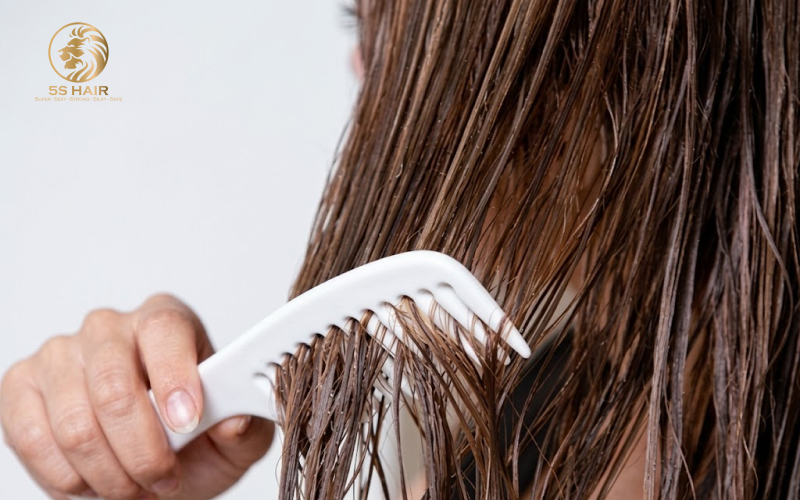
Non-remy human hair extensions: Non-remy hair extensions come from real human hair but the cuticles are not aligned properly. It makes them more likely to tangle and matt when they get wet. Non-remy hair extensions can be washed like natural hair but they need extra care.
This type of hair extension can dry out faster compared to Remy hair extensions but can not last as long as them.
Remy human hair extensions: Remy hair is the best type of hair extension you can get. The cuticles are kept intact and aligned in the same direction which helps the hair stay smooth and tangle-free.
When Remy human hair meets water, they stay safe just like your natural hair would. With proper care, Remy hair stays soft, shiny and lasts a long time even with regular washing.
5S Hair Extensions offer 100% Premium Remy hair products that are ethically sourced and designed to handle everyday life. Whether Genius weft, K-tips, Clip-ins, or Tape-ins, we can ensure the quality and durability of 5S Hair’ extensions.
How water impurities damage your extensions?
Water is not just the H20 itself that poses a threat, it is about the inside of it. Whether you shower at home or go for a swim, you need to watch out for these three culprits: chlorine, saltwater, and hard water minerals.
Chlorine
Chlorine is a hash bleaching agent used in pools or cleaning products. It strips the protective silicone coating off extensions, leaving them completely parched, brittle, and faded in color. For blonde extensions, chlorine can cause a chemical reaction that turns the hair a murky green.
Saltwater
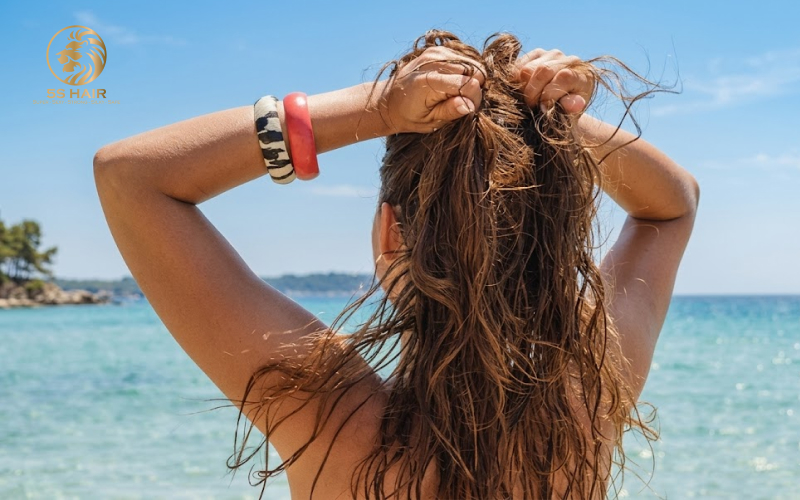
Salt is a natural dehydrator. It draws all the moisture out of the hair shaft. Because extensions do not receive natural oils from your scalp to replenish themselves, saltwater can turn silky extensions into a matted, straw-like texture within minutes.
Hard water
Hard water contains high levels of minerals like calcium and magnesium that severely damage hair extensions. By creating a buildup, hard water minerals cause severe dryness, tangling, premature breakage, and discoloration.
The impact is even more severe for long hair extensions especially tape-ins or K-tips. Extensions don’t receive nourishment from the scalp like natural hair, so they can be stripped of their softness like other enemies, which reduces extensions’s lifespan.
4 Easy steps to save your extensions after they get wet
If your extensions just got soaked, don’t panic. Follow this clinical, step-by-step rescue routine to minimize damage and preserve the bonds.
Step 1: Immediate care
The first step you should do is rinse them with clean, fresh water. This is especially important after swimming in chlorinated pools or saltwater. Chlorine and salt can be harsh and really fry out the hair fibers, leading to damage and tangles.
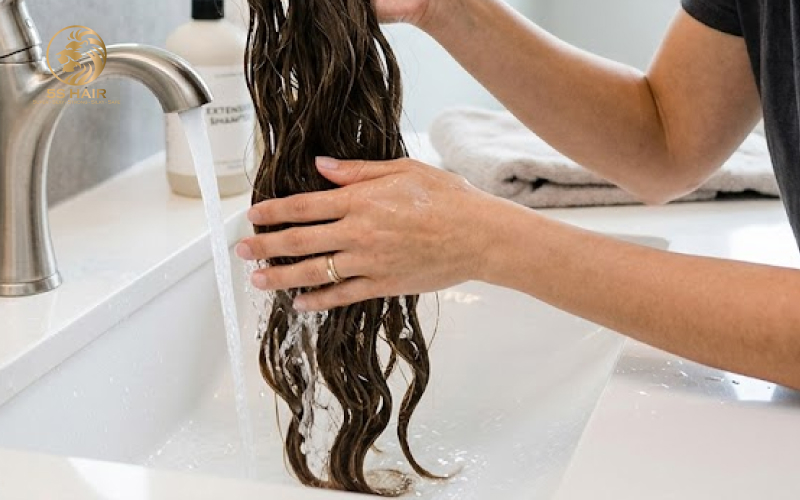
Step 2: Gentle wash
Use a sulfate-free shampoo and a good quality conditioner. Focus on the mid-lengths and ends, and try to avoid scrubbing the roots too vigorously, especially around the attachment points. Once washed, gently detangle. A wide-tooth comb is your best friend here. Start from the ends and slowly work your way up towards the scalp. Never rip through tangles; be patient.
Step 3: Dry the anchors instantly
Leaving the roots of your extensions wet is a recipe for disaster. Use a blow dryer on a cool-to-medium heat setting and focus entirely on the attachment points (the tapes, bonds, or wefts). Ensuring the scalp and anchors are dry prevents the adhesive from softening and keeps the natural hair from weakening under the weight of the water.
Step 4: Seal with a lightweight hair oil
Once the hair is completely dry, apply 2-3 drops of a high-quality hair oil (like argan or marula oil) to the ends. This replaces the lost moisture barrier, smooths down the raised cuticles, and locks in a brilliant shine.
Seal the extensions with hair oil to smooth down the raised cuticles
Tips:
When your extensions have been exposed to water, the products you use are super important. You want to replenish moisture and keep things smooth. Look for shampoos and conditioners that are specifically designed for hair extensions or are labeled as moisturizing and sulfate-free. Avoid anything with alcohol, as it can be drying.
A deep conditioning treatment or a hair mask once a week can also be a lifesaver, especially after swimming. For styling, opt for leave-in conditioners or serums that add hydration without weighing the hair down. If you’re dealing with tape-ins or wefts, make sure any products you use are safe for the adhesive or weft material to prevent them from breaking down.
Remember, the goal is to restore moisture, prevent damage, and keep your extensions looking and feeling their best. A little extra attention after they get wet can make a huge difference in their lifespan and appearance.
FAQs
What problems can appear when you go to bed with wet hair? Can you wear hair extensions to go swimming? Here are some answers for your queries!
1. What happens if I sleep with wet extensions?
Sleeping with wet extensions causes severe tangling, matting and can ruin the bonds. Moreover, trapped moisture can breed bacteria on your scalp. Remember: always dry your hair 100% before bed!
2. Can you swim with hair extensions?
Yes, but with care. Chlorine and saltwater can cause dryness and matting for your extensions. To protect them, wet your hair with clean water first. Applying leave-in conditioner, braid it tightly and wash it immediately after swimming. For the best, you should wear a swimming hat for the best protection!
3. What products should I use for wet extensions?
You should stick to sulfate-free products for wet extensions. Your essential kit includes:
- Leave-in conditioner and hair oil for moisture and detangling.
- Heat protectant spray before blow-drying.
- A wet brush or Loop brush to detangle gently without pulling the bonds.
Final thoughts
Can you get hair extensions wet? Yes. But treating your wet extensions with the proper care is the dividing line between hair that lasts for six months and hair that ruins your natural locks in a few weeks. Keep your roots dry, shield your hair from chlorine and salt, and never, ever go to bed with a damp scalp.
Treat your investment with respect, and it will give you gorgeous, head-turning volume for months to come. Follow 5S Hair for more knowledge about treating your extensions the best!
