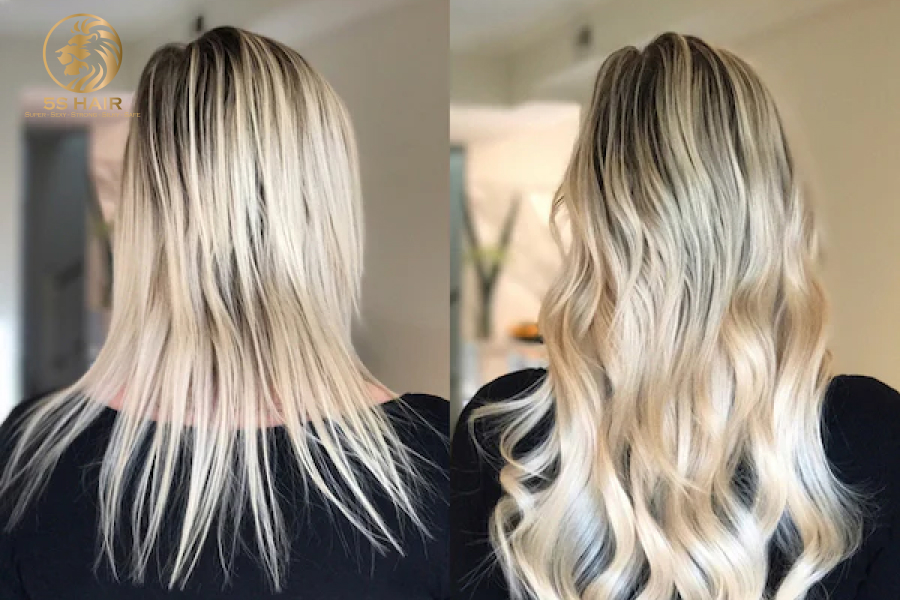
Removing extensions often reveals a jarring reality: the volume is gone, and the damage feels permanent. That sinking realization – “My hair is so thin after extensions”. This issue is usually a mix of “extension shock” and actual physical stress on your follicles such as traction alopecia, physical breakage and the natural shedding cycle.
This article cuts through the noise to identify the true reasons behind thinning hair port-extensions. Moreover, you can find professional advice on repairing breakage and reclaiming your hair’s natural density.
My hair is so thin after extensions – Why?
The sensation of thinning after extension removal is rarely caused by a single factor. It is usually a combination of physical changes and sensory perception.
Why is my hair so thin after extension?
Traction alopecia
The number 1 reason hair feels thin after extensions is tension on the roots over time. Whether using tape-in, wefts or keratin bonds, traction alopecia can occurs. This is a medical condition caused by constant pulling. The weight of the extensions pulls on your hair follicles, causing them stress. Over months, this tension inflamed the root. This causes hair to fall out prematurely. In some cases, the follicle may even stop producing hair.
The natural shedding cycle
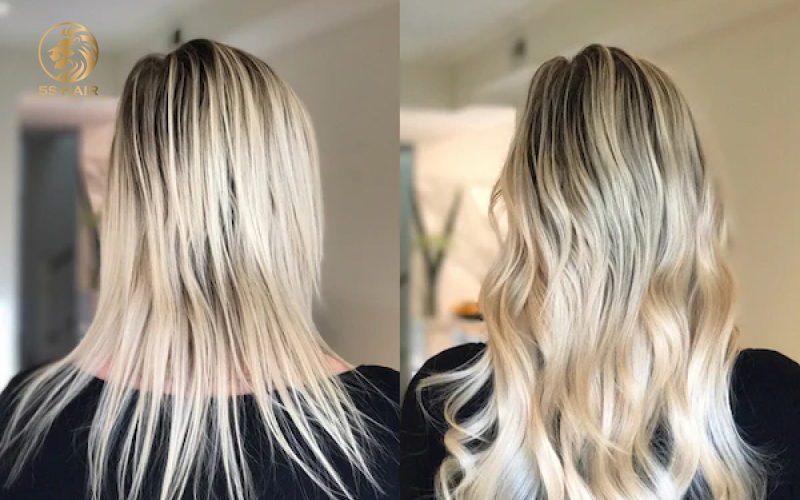
On average, a healthy person loses 50 to 100 hairs every day. When you wear extensions, these natural shed hairs remain trapped within the bonds or tapes. When you finally take the extension out, you are seeing two months of “old” shed hair falling out all at once. It’s not new hair loss – it’s just a buildup finally being released.
Physical breakage
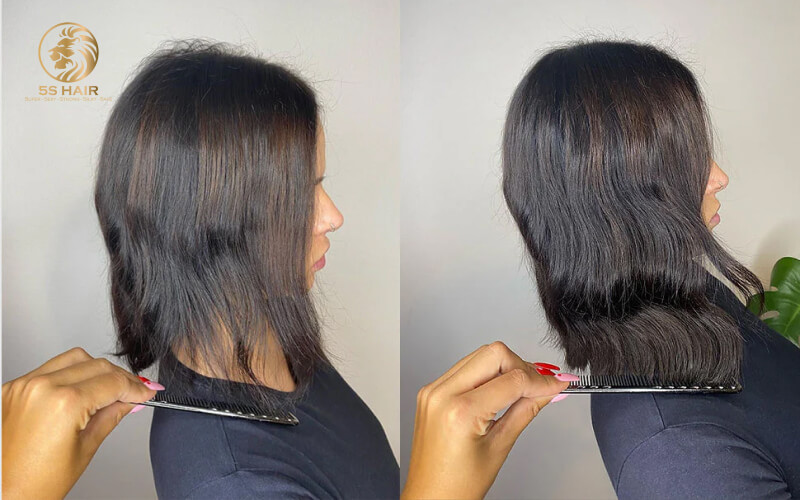
Heavy extensions can snap the hair shaft. Rough removal with harsh chemicals also causes damage. This leads to “ragged” ends and a loss of density in the middle of your hair. Even if the roots are safe, the hair looks much thinner.
Extension shock
The phenomenon of Extension Shock is a clash between your sensory memory and reality. When you wear extensions, your brain’s “body schema”—the internal map of your physical self—updates to include that extra weight and volume. Your neck muscles and scalp nerves adapt to the constant tension, eventually perceiving the artificial density as your natural baseline.
When the extensions are removed, your brain experiences a sensory vacuum. Because the weight is gone, your head feels unnervingly light, and your natural hair feels “transparent” or “wispy” by comparison. This isn’t usually due to actual hair loss, but a Contrast Effect: your visual cortex is comparing your current look to an artificial standard it has grown used to over several months.
It takes about 2 to 3 weeks for your neural pathways to recalibrate. During this time, your brain “prunes” the old sensory map and accepts your natural density as the new 100%. Once this “phantom hair” phase passes, your perception shifts, and your hair begins to look and feel substantial to you once again.
How to regrow hair after hair extensions?
To grow hair back, you need to work from both the outside and the inside. Think of your scalp as the soil and your body and the fuel system. If both are healthy, your hair will have everything it needs to recover.
Discover 3 simple ways to regrow your hair after hair extensions
Prioritize scalp stimulation
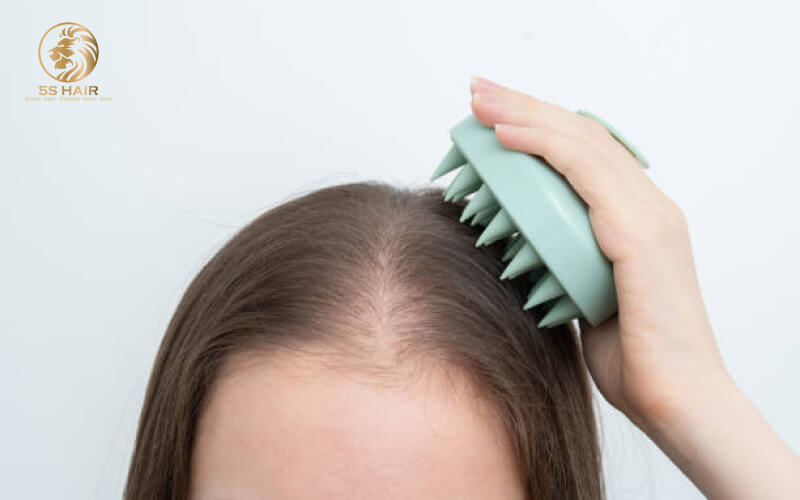
Start by giving your scalp some extra attention. Spend 5 minutes massaging your scalp with your own fingers or massage tool daily. This increases blood flow to the dermal papilla (the base of the hair follicle) delivering the fresh oxygen and nutrients needed for growth.
To maximize the benefits of your daily massage, we recommend using a specialized tool like the HEETA Scalp Care Brush or the Briogeo Scalp Revival Simulating Massager. These are silicone-bristled tools which are designed to gently exfoliate the scalp and increase microcirculation. This helps the hair follicles more effectively than fingertips alone.
It is also vital to keep your pores clear. Use a gentle, sulfate-free deep cleanser twice a month to wash away any leftover glue on heavy oils that might be “suffocating” your hair follicles.
To prevent buildup from “suffocating” your follicles, incorporate a high-quality, sulfate-free cleanser like Living Proof Triple Detox Shampoo or Ouai Detox Shampoo. With theirs professional formulas which are specially designed, they wash away heavy oils, hard water minerals and styling residue without compromising your extension bonds.
Remember, limiting the use to no more than twice a week to avoid over-exfoliating the scalp.
Targeted topical treatments
Next, give your hair a boost with the right products. Ingredients like caffeine and peptides act like a “wake-up call” for your hair. These ingredients work by keeping it in the growing stage for a longer time before it sheds.
You can also try using rosemary oil as a natural fix. It is a proven way to thicken your hair that works just as well as many chemical treatments. Best of all, it is much gentler on your skin and helps restore your hair without the risk of harsh side effects.
Nutritional hair care products for damage hair
Finally, remember that hair grows from the inside out. Iron is one of the most important minerals for healthy hair growth. If your iron levels are low, your hair will be the first thing to suffer. So make sure you are getting enough through your diet.
Specially clinical-grade supplements like Nutrafol Hair Growth Supplements or Viviscal Healthy Hair Vitamins can be named as best hair care products for damaged hair. Viviscal is formulated with their proprietary AminoMar marine complex. These ingredients provide the essential proteins needed to nourish thinning hair and promote existing growth from within.
Besides, Nutrafol takes a multi-targeted approach by using medical-grade ‘synergetics’ like curcumin to solve the root causes of damage (stress and oxidation). By neutralizing these internal triggers, it strengthens hair at the source for a thicker and more resilient look.
Since hair is almost entirely made of protein, you must eat enough high-quality protein. This gives your body the “bricks” it needs to build new strands. Without protein, your body can not create strong, thick hair.
Expert tips to prevent hair thinning again
To prevent hair thinning after extensions, simply taking a break isn’t enough. You must eliminate excessive tension and follicle clogging by following expert strategy.
1. The 50% rule
To prevent hair thinning from extensions, the first rule is the “50% rule”. This means the weight of the extension strand should never be heavier than your natural hair holding it. If the extension is too heavy, it will put too much stress on your hair roots.
Following this rule helps prevent your natural hair from snapping. When the weight is balanced, your hair can support the extension without being pulled out.
2. Strategic hair extensions placement
You should be careful about where the extensions are placed. Make sure your stylist avoids what experts call the “fragile zone”. This includes the very fine, thin hairs around your hairline and the nape of your neck.
These specific areas are most likely to suffer from traction damage. The hair there is naturally weaker than the hair on the rest of your head. Keeping extensions away from these delicate spots helps keep your edges healthy and full.
3. Taking a break for your hair and scalp
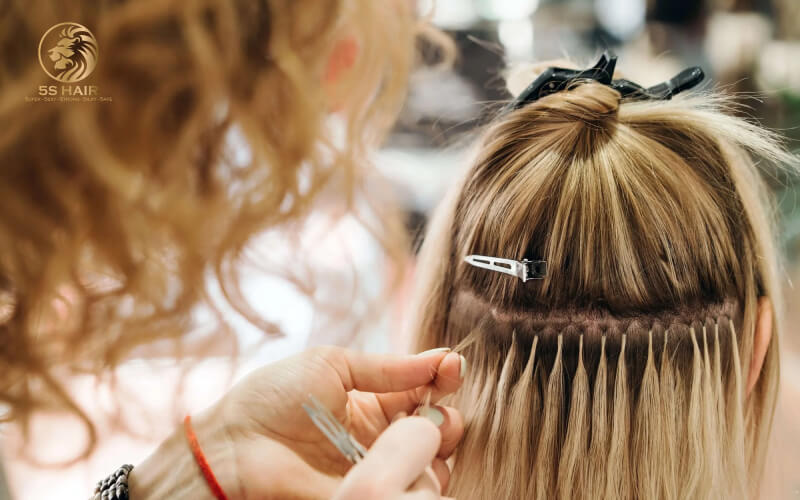
It is very important to give your hair a “break time” regularly. Advice is to give your hair at least 4 weeks of rest for every 4 months of extension wear. This break is essential for the long-term health of your scalp.
During this time, your hair follicles can also recover. Taking a break removes the constant downward pull on your head skin. It is not only giving your roots a chance to “breathe”, but also strengthen before putting extensions back in.
4. Professional removal only
Last but not least, never try to remove your extensions yourself at home. You might be tempted to slide out tapes or pick at keratin bonds when they start to grow out which cause most hair damage.
Always go to a professional for the removal process. They have the right tools and specific solutions to take extensions out safely without any tugging. It ensures that your real hair stays on your head and not being attached to the extensions.
FAQs
1. Does my hair grow back after extensions?
The answer will be Yes in 95% of cases. Unless the traction was so severe and prolonged that it caused permanent scarring, your hair will return to its natural density.
2. Will my hair thicken up again after extensions?
Yes, but it requires patience. Getting regular trims to remove thin, damaged ends while waiting for your hair to slowly regrow is a great choice.
3. What is the best product for hair regrowth?
The most effective product for hair regrowth in the extension industry is a water-based scalp serum containing clinically backed ingredients like Redensyl, Capixyl or Procapil (such as The Ordinary Multi-Peptide Serum for Hair Density or Vegamour GRO Hair Serum). These formulas effectively revitalize the hair follicles while remaining free of the oils or alcohols that would cause extension bonds, tapes or keratin to slip.
Final thoughts
Feeling like your hair is thin after extensions is a pretty distressing experience, but it is rarely a permanent condition. By shifting your focus from “hiding” your hair to “healing” your scalp, you can also regrow your natural volume. Remember: healthy hair is like a marathon, not a sprint. Give your follicles the nutrition and the rest they deserve, then the density would follow.
Click here to stay updated with our latest guides or to get in touch with our team today!
