The U.S. wigs and hair extensions market is on track to jump from $2.35 billion in 2025 to nearly $4 billion by 2033. Consumers increasingly use wigs and extensions to experiment with hairstyles without damaging natural hair, while medical hair loss caused by conditions such as alopecia or chemotherapy has further expanded demand.
Vietnam is now a top choice for sourcing hair, thanks to ethical practices, skilled craftsmanship, and good prices. Importing hair from Vietnam to USA isn’t simple, but it’s not complicated. There are a few steps to get right. Here’s a straightforward guide to help you through the process.
Why Import Hair From Vietnam to the USA?
There are a few big challenges in the U.S. wigs and hair extensions market, including the high cost of premium human hair products and the maintenance they require. Although synthetic hair is often much cheaper, it often cannot match the natural appearance, styling versatility, or durability of real human hair.
Plus, the market is flooded with counterfeit and low-quality products, particularly on unregulated online marketplaces. These inferior products can damage natural hair, increase customer complaints, and erode consumer confidence, making it harder for reputable brands to build long-term trust.
That’s why finding authentic, high-quality human hair from reliable suppliers matters more than ever. Vietnamese hair stands out for its ethical sourcing, natural strength, and long-lasting quality. Top hair factories in Vietnam maintain transparent quality control, ensuring consistent product quality and traceable sourcing. When U.S. salons, wholesalers, or hair brands buy straight from the manufacturer, they skip the middleman, save money, and can customize products to their market needs. This approach means better prices and more loyal customers in the long run.
Before You Import: Prepare Your Buying Requirements
Vietnam has earned its reputation as one of the world’s most reliable sources of raw and virgin human hair, but reputation alone won’t protect your investment. Before you place a single order, you need a clear, written buying brief.
Define Your Product Specifications
Start by putting your requirements in writing, in detail, specific enough that no supplier can misread them.
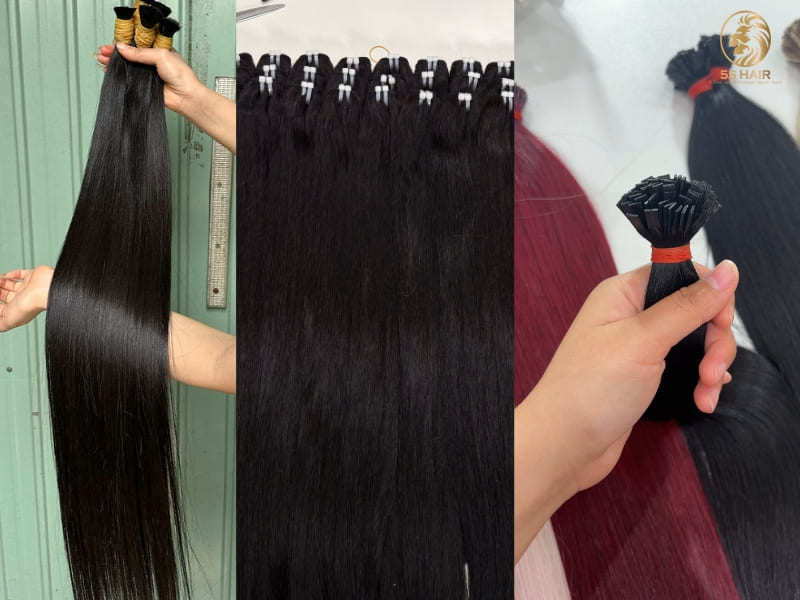
- Specify hair type – raw, remy, or virgin – because these command very different price points and serve different customer bases.
- Define texture (straight, body wave, curly), acceptable length range, and color, noting whether you’ll accept only natural black or also want pre-lightened or dyed options.
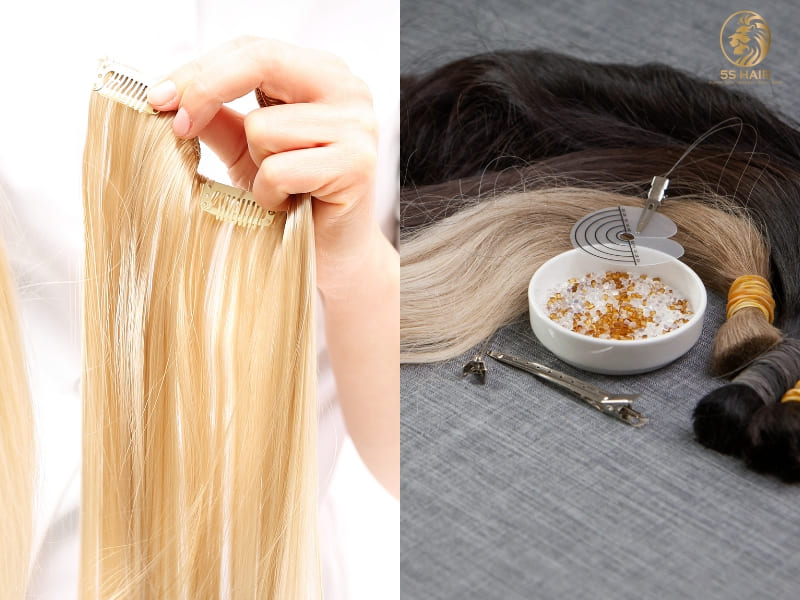
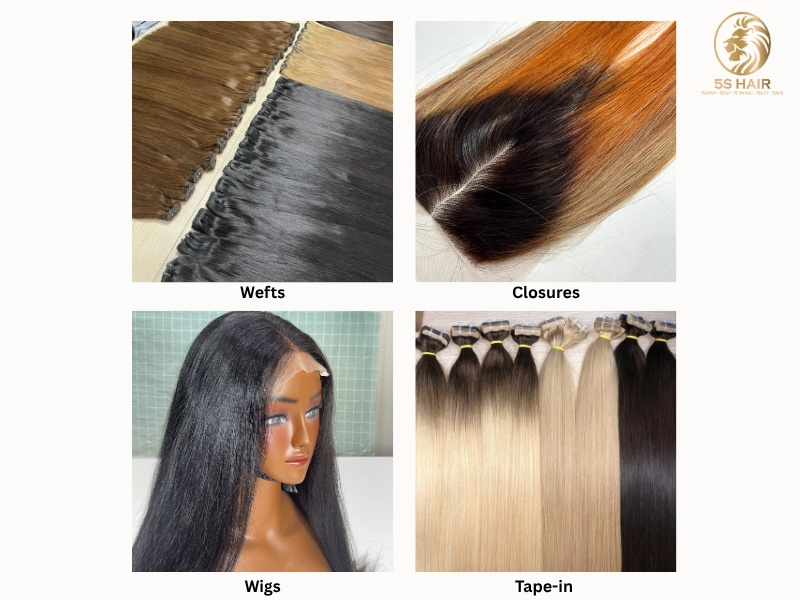
- Clarify the drawing method (single-drawn, double-drawn, super double-drawn, which affects weight, fullness, and cost), weft or bond type (machine weft, hand-tied, tape-in, bulk), and weight per bundle or unit.
- Also, specify packaging and labeling requirements, including any private-label or compliance markings you’ll need for U.S. retail.
It is important to communicate your quality expectations. For example, specify acceptable levels of shedding, tangling, cuticle alignment, thickness from top to ends, and whether the hair should be suitable for bleaching or coloring. Define every key characteristic of the product. The more precise this brief, the easier it is to hold a supplier accountable later.
>>> Vietnamese Hair Type: Full Guide to Types, Quality Grades
Start With a Small Sample Order
After careful supplier verification, resist the temptation to place a large wholesale order immediately. A small sample order, typically 2 to 5 bundles or units, lets you verify, in hand, that the hair matches what was described: texture, color consistency across bundles, cuticle direction, and shedding tendency.
Run your own durability checks: wash it, apply heat, let it sit for a few days to see how it holds up under normal use conditions. Samples also reveal how a supplier operates (response times, honesty about defects, willingness to answer detailed questions).
How to Import Hair From Vietnam to USA: Step-by-Step Process
Here’s exactly how to import hair from Vietnam to USA correctly.
Step 1. Find and Verify a Vietnamese Hair Factory
Vietnam’s hair industry ranges from large, export-licensed factories to small household workshops that repackage collected hair without much oversight. Whenever possible, you should buy directly from a trustworthy factory. A manufacturer typically offers:
- Its own production facility
- Transparent sourcing of Vietnamese hair
- Consistent product quality
- More competitive wholesale pricing
- Greater customization options
- More reliable production schedules
Before placing any order, verify the supplier carefully.
Ask for:
- Factory videos showing production areas
- Recent production photos
- Business registration documents
- Export history
- References from previous international customers
- Video calls that show the factory operating in real time
One of the simplest verification methods is requesting a live video tour. A legitimate factory should be able to walk you through its sorting area, weft sewing section, coloring department, quality inspection process, and packaging line. Do not rely solely on social media photos (Many resellers reuse images from other manufacturers). Also, it’s worth evaluating how the supplier communicates.
Step 2. Contact the Supplier and Request an Invoice
Once you’ve selected a manufacturer, discuss your order specifications in detail before making any payment. Provide clear information such as:
- Hair type
- Hair texture
- Lengths
- Colors
- Bundle weight
- Quantity
- Packaging requirements
- Branding requirements
- Delivery destination
The more specific your order, the fewer misunderstandings later in production.
After confirming the order details, request an invoice. A professional invoice should include:
- Supplier information
- Buyer information
- Product descriptions
- Quantity
- Unit prices
- Total order value
- Payment terms
- Production timeline
- Shipping method
- Estimated delivery date
Review carefully as you’d read a contract, because functionally, it is one. Cross-check the bank account name against the company name on the license you verified in Step 1 – a mismatch may be one of the most common signs of a fraud attempt.
If you’re building your own hair brand, this is also the stage to confirm custom packaging, private labeling, branded hang tags, satin bags, or custom boxes.
Step 3. Choose a Secure Payment Method
Most Vietnamese hair factories accept several common payment options, including:
- International bank transfer (Wire Transfer/T-T)
- Wise
- PayPal
- Western Union
Each payment method has different advantages. Bank transfers are generally preferred for larger wholesale orders because they typically offer lower transaction fees and are widely accepted by manufacturers.
Guidelines we recommend to every client:
- Never wire 100% upfront to a new supplier, regardless of how convincing the relationship seems. Established factories commonly work with a deposit system, commonly requiring a 30–50% deposit before production, with the remaining balance due before shipment.
- Be cautious if payment is requested through personal accounts rather than a registered company account, as this may indicate a reseller or an unverified business.
- Keep documentation of every transaction, including invoices, bank confirmations, and correspondence, in case of dispute.
Step 4. Monitor Production and Quality Control
Maintain regular communication with your supplier and request production updates, especially for larger orders or custom products. Quality control should take place throughout production.
Ask for photos and videos during essential production stages. Before the products are packed for shipment, request a final quality inspection.
A thorough inspection should verify:
- Correct lengths
- Bundle weight
- Texture consistency
- Hair color accuracy
- Cuticle alignment
- Minimal shedding
- Minimal tangling
- Secure weft stitching
- Proper packaging
- Correct product quantities
Step 5. Ship Your Hair to the USA
After the final inspection is complete, the supplier can arrange shipment to the U.S.
- Choose your shipping method based on order size and urgency. Express courier services such as DHL, FedEx, and UPS are generally the simplest shipping option for most new importers and small–medium orders. They typically deliver orders within 3–7 business days, and shipping costs can range from USD 15–25 per kg, depending on the shipment size and destination. Express courier services typically provide end‑to‑end tracking and handle customs clearance internally for smaller shipments.
- Confirm the HS code classification with your freight forwarder or customs broker before shipping. Human hair products fall under specific HS codes that affect duty rates (getting this wrong can cause delays or unexpected costs at clearance). If you ship via express couriers, the courier typically acts as the customs broker (broker of record) and handles customs clearance on your behalf, then bills you for any applicable duties and taxes. However, you still must provide the correct HS code, detailed description, value, and country of origin on the commercial invoice.
- Confirm Incoterms responsibilities before the shipment leaves the factory. Knowing exactly who owns risk and cost at each leg avoids disputes if damage or delay occurs in transit.
- Track the shipment and respond quickly to customs requests. With express couriers, you generally do not need to arrange separate pre‑clearance. What you need to do is provide all documents to the courier as soon as the goods are ready and monitor the tracking status closely. In addition, reply promptly if the courier or U.S. Customs (CBP) requests additional information or clarification about the hair products.
After the products arrive, inspect the shipment immediately.

Reminders When Importing Hair from Vietnam to USA
Mistakes that cost you money:
- Skipping company verification. Yes, there are many buyers who lose entire deposits to well-spoken intermediaries.
- Paying 100% upfront, especially on a first order. No matter how good the price looks, full prepayment removes every point of leverage you have if something goes wrong.
- Accepting vague specifications. Without written specs on texture, length, drawing method, and weight tolerance, you have no basis for a dispute if the shipment doesn’t match expectations.
Keep these in mind:
- Before increasing order volume with any supplier, confirm consistency across at least 2 to 3 completed orders.
- Diversify across more than one verified supplier where possible, so a single factory’s production issue or capacity constraint doesn’t stall your entire business.
- Finally, keep every invoice, communication, and inspection report organized to protect you both financially and legally.

Final Thoughts
Importing hair from Vietnam to the US is really about finding a trusted supplier. Compare the quality and prices side by side, and never skip placing a small trial order first. It’s the only way to really know what you’re getting before you go all in on a big wholesale purchase.
FAQs
Why is Vietnamese hair considered superior for luxury US hair extension brands?
Raw Vietnamese hair is known for its thick strands, intact cuticles, natural strength, and long lifespan. Ethically sourced raw hair from single donors creates a premium look, withstands repeated styling and coloring, and meets the quality standards expected by luxury brands.
What information should I include when placing a hair order?
Specify hair type, length, texture, color, weight per bundle, and quantity. Include your preferred cuticle alignment, packaging requirements, and delivery timeline.
How can I test the quality of Vietnamese hair extensions once they arrive in the USA?
Run a burn test to check for synthetic blends, wash and dry a sample to assess shedding and tangling, and check color consistency across bundles.
Are there specific US import duties or taxes for bringing hair products into the United States?
Imported human hair products may be subject to U.S. customs duties based on their HS code, declared value, and country of origin. Importers may also pay applicable taxes.
