Most people think of Vietnamese hair as straight, thick, and silky, but does that mean curly hair doesn’t exist in Vietnam? Do Vietnamese have curly hair? So, now let’s talk about it, and we’ll also share how Vietnamese curly hair is produced and sold worldwide.
Do Vietnamese Have Curly Hair?
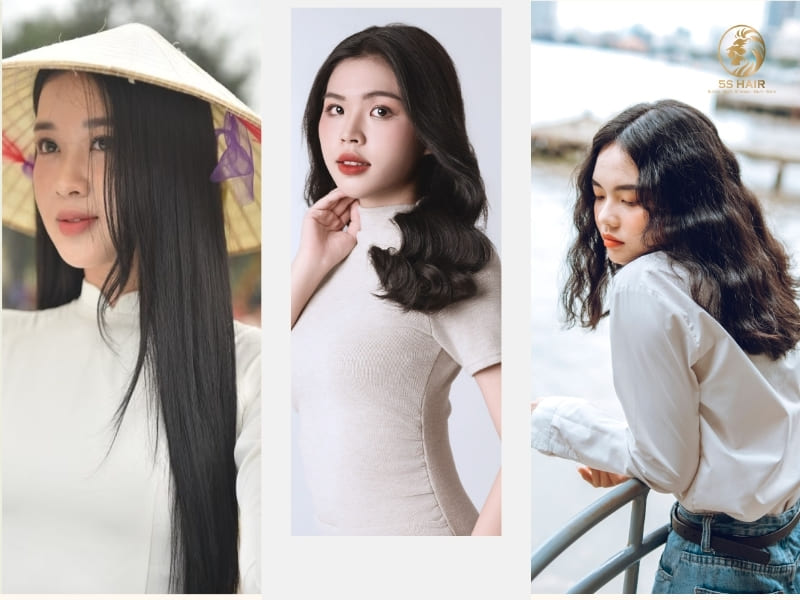
Vietnamese people have naturally curly hair, but it’s relatively rare. The vast majority of Vietnamese people have naturally straight to slightly wavy hair due to genetic factors. In most East and Southeast Asian populations, including the Vietnamese, hair follicles tend to be round in shape, which typically produces straight, thick, and strong hair strands.
Hair texture in the Vietnamese population generally falls into the following categories:
- Most have naturally straight hair.
- Some have naturally wavy hair.
- A small minority has naturally curly hair.
- Others may have curly-looking hair due to styling, heat treatments, or permanent waves (perms).
The rarity of naturally curly hair in Vietnam is mainly explained by these factors:
- Genetics: Hair texture is largely determined by genetics. The gene variants associated with curly hair are much less common in the Vietnamese population than in populations from regions such as Sub-Saharan Africa or the Mediterranean.
- Ethnicity: The Kinh people, who make up the majority of Vietnam’s population, typically have straight or slightly wavy hair. However, naturally curly hair can result from less common genetic variants or ancestral influences from Vietnam’s diverse ethnic groups. As a result, greater variation in hair texture may be found among some ethnic minority communities.
Some people believe that curly hair is caused by poor nutrition, inadequate hair care, or environmental damage. That’s just not true. In reality, naturally curly hair is simply a normal genetic variation and is not a sign of poor health or damaged hair at all.
Vietnamese Curly Hair on the Market
Straight and slightly wavy Vietnamese hair is the most commonly supplied raw material by Vietnamese hair vendors and factories. Vietnamese curly hair is available on the market, but most products are sold as processed or permed curly hair rather than naturally curly bulk hair.
Manufacturers and suppliers commonly offer these products as wigs, hair bundles, extensions, closures, and frontals in a variety of curl patterns, including Loose Curly, Pixie Curly, Bouncy Curly, and Spiral Curly.
In short, in the hair industry, Vietnamese curly hair is almost always mentioned as hair that was originally straight or slightly wavy and then textured to achieve a consistent curl pattern.
Read more: Vietnamese Hair Type: Complete Guide to Types, Quality Grades
Vietnamese Curly Hair Extensions: How Are They Made?
Do Vietnamese have curly hair extensions? Yes. Most Vietnamese curly hair in the global hair extension market is created through professional processing. The most widely used method is hot-steam technology. By using controlled heat and steam, manufacturers can create long-lasting curls while preserving the hair’s natural strength, softness, and shine.
The production of Vietnamese curly hair generally follows these steps:
- High-quality raw human hair is collected from donors.
- The hair is sorted and classified by length, thickness, and overall quality. It is then sewn, wefted, or otherwise assembled into bundles or hair extensions.
- The hair is thoroughly washed and treated to remove impurities while smoothing and conditioning the strands.
- The desired curly pattern is created using specialized factory techniques and equipment, after which the hair is dried, finished, and styled to achieve the requested curl pattern.
What Curl Types Are Available?
Vietnamese curly hair products come in a few different curl patterns, so you can really find what works best for you.
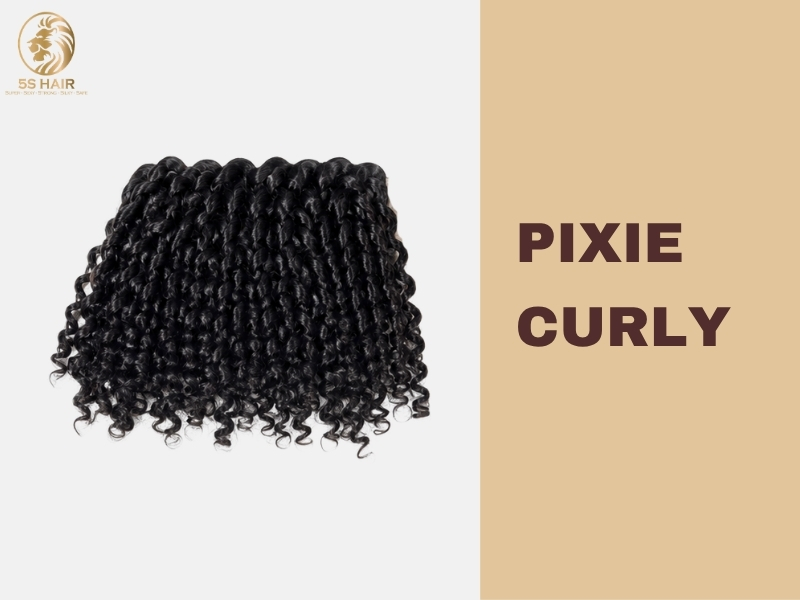
Pixie Curly: Features very tight, small curls that create a full, voluminous, and bouncy appearance.
Deep Curly: Characterized by well-defined, S-shaped curls that are more pronounced than wavy hair. It provides a soft, luxurious look with plenty of body and movement.
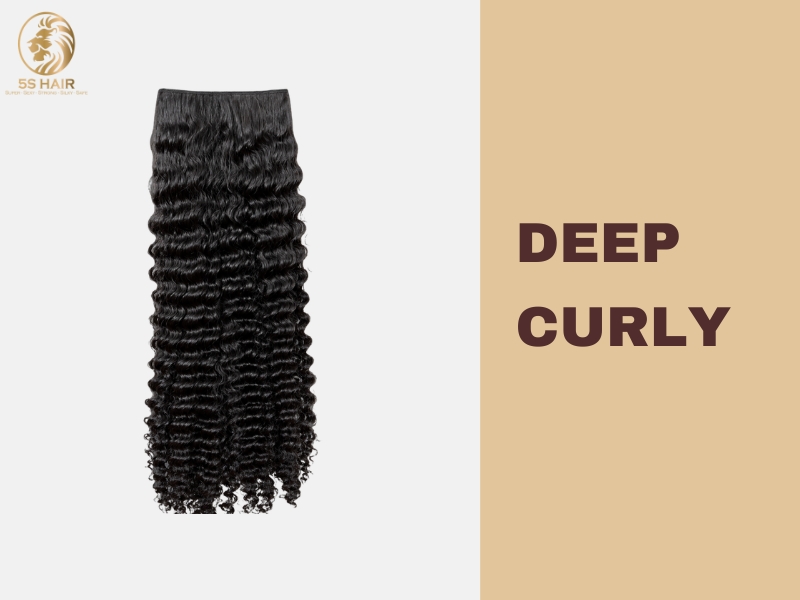
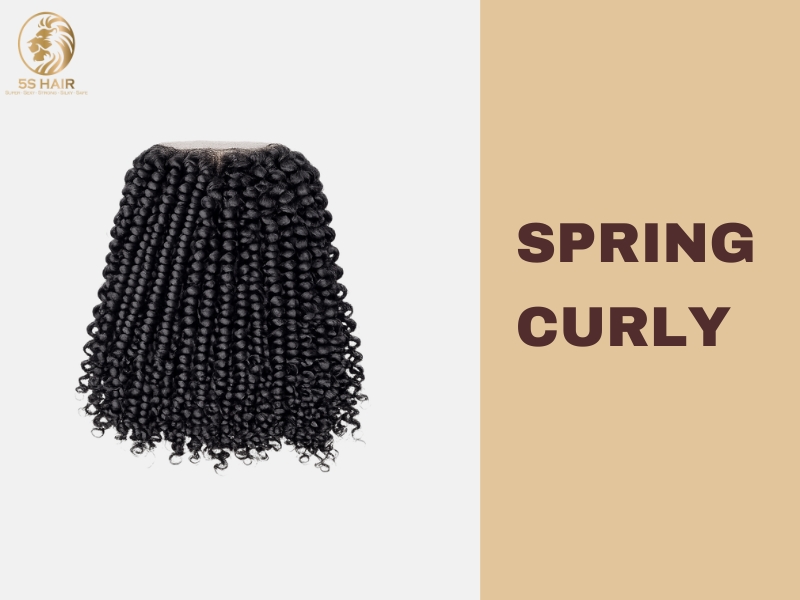
Spring Curly: Consists of tight coils with excellent elasticity. This curl pattern is known for holding its shape well and maintaining long-lasting definition.
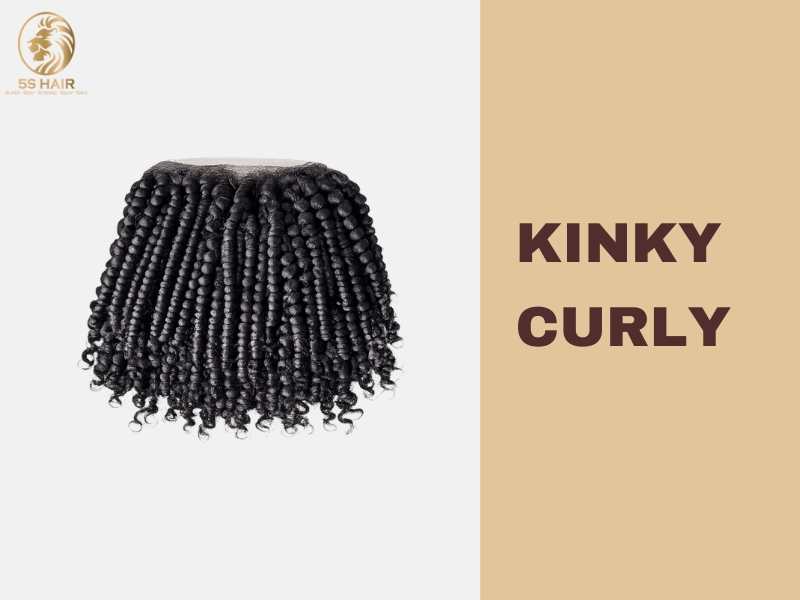
Kinky Curly: If you love big, textured hair, this one’s for you. It looks natural and tightly coiled, giving you the most volume.
Vietnamese curly hair is available in several product formats:
- Bundles and Wefts
- Lace Closures and Frontals
- Tape-In Extensions
- I-Tips, V-Tips, and Flat Tips
How to Identify the Quality of Vietnamese Hair
First, check the texture. Good hair bundles should feel soft, thick, and silky when you run your fingers through them. If you notice a lot of shedding or tangling right away, that’s usually a sign the hair isn’t the best.
Next, check out the color and the ends. The quality bundles have even color from top to bottom, and the ends should look healthy – not dry or split. Premium Vietnamese hair is usually treated with hot steam rather than harsh chemicals, so it keeps its pretty, natural shine. If you’re looking at curly hair, make sure the curls look the same all the way down and don’t get frizzy or loose halfway.
Always double-check that you’re getting 100% human hair, not a blend. Virgin and Remy hair are among the top choices – the cuticles all face the same direction, which means less tangling and a more natural look.
How to Care for Vietnamese Curly Hair Extensions
Curly Vietnamese hair extensions do best when you keep things gentle and focus on moisture.
- Don’t wash them every day– just when you really need to. Over-washing can dry out your curls.
- Use a sulfate-free, moisturizing shampoo and a good conditioner, and avoid hot water to keep your hair from getting frizzy. When you rinse, gently squeeze out the water instead of twisting or rubbing.
- Detangle your hair while it’s still damp. Start at the ends and work your way up with your fingers or a wide-tooth comb – this helps prevent breakage and shedding.
- Let your hair air dry if you can, since that keeps the curls looking their best. If you have to use heat, keep it low and use a heat protectant.
- Between washes, use a leave-in conditioner or a light spray to keep your curls fresh and fight frizz.
- When you’re not wearing your clip-ins, store them somewhere safe and breathable so they keep their shape.
The secret to great curls is simple: keep them moisturized, avoid too much heat, and handle them gently.
In Summary
Can Vietnamese people have curly hair? In short, yes, but it’s not super common. Most Vietnamese hair is naturally straight or wavy, but it’s possible that you’ll meet someone with gorgeous natural curls. If you’re looking into hair extensions or just curious about different hair types, it’s good to know what’s out there so you can find the best match for you.
Frequently Asked Questions
Is curly hair rare in Vietnam?
Yes, naturally curly hair is genuinely rare among Vietnamese people. Most Vietnamese, especially the majority Kinh ethnic group, have straight or slightly wavy hair.
Which Asians have naturally curly hair?
Broadly speaking, variants in the curly hair gene are far less common across East and Southeast Asian populations.
What curl types are available for Vietnamese hair extensions?
Vietnamese curly hair extensions come in several textures: Pixie Curly, Deep Curly, Spring Curly, and Kinky Curly.
