
Hair extensions are a carefully manufactured beauty product designed to blend naturally, withstand regular styling, and last for months. The price can shock you at first. But before assuming the cost is simply a luxury markup, it’s worth looking at what goes into professional hair extensions. Why are hair extensions so expensive? From the quality of the hair to installation and long-term maintenance, several factors determine what you’re paying for.
Why are Hair Extensions so Expensive?
Here’s the part that matters for anyone shopping for premium hair extensions: key factors determine the price.
Hair Quality
The biggest factor affecting the cost of hair extensions is the quality of the hair itself. Synthetic hair costs only $20 to $150, but it has a very short lifespan and cannot withstand heat styling. Quality standard human hair costs much more, around $100 to $500+.
- Material: High-quality extensions are made from human hair. Raw and virgin hair are the most expensive hair types and are collected using strict methods that preserve the natural cuticle alignment. Remy hair also has all cuticles intact and aligned from root to tip; unlike raw or virgin hair, it is often dyed or processed to achieve consistent colors, making it more affordable.
- Supply: High-quality human hair is a limited resource, collected from healthy donors and without or minimally chemically treated. Each bundle is carefully cleaned and sorted by hand to remove debris and ensure the strands remain properly aligned, a time-intensive process that cannot be fully automated.
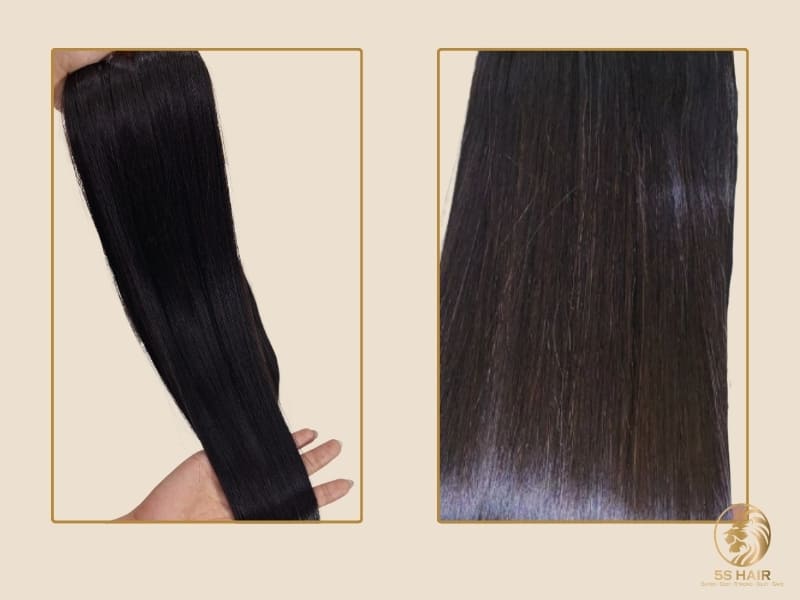
High-quality human hair extensions use higher-quality materials, which are more expensive but significantly more durable, natural-looking, and longer-lasting
Process
From the moment the hair is collected to the final installation, each stage requires much time, extensive manual labor, skilled craftsmanship, and strict quality control.
- Careful Sourcing: The process begins with sourcing the hair. Premium extensions often use ethically collected human hair, which takes more time to gather and costs more.
- Manual Sorting and Quality Control: In regions like Vietnam, after collection, raw hair is carefully sorted by hand to separate usable strands from lower-quality hair. The selected hair is washed multiple times and closely inspected to ensure it is completely clean before the next processing stage.
- Cuticle Alignment and Hair Processing: Every strand is cleaned, sorted, and aligned so all cuticles face the same direction. This labor-intensive process preserves the hair’s natural shine, strength, and smoothness while reducing tangling. Because the strands are delicate, workers handle them slowly and carefully to avoid damage.
- Precision Construction: Turning processed hair into extensions is a detailed process. Hand-tied wefts are sewn onto thin, flexible tracks designed to sit flat against the scalp. Because each section is handmade, it can take hours to complete a single set. Other types, like K-tip and tape-in extensions, also require careful assembly. Each K-tip bond is measured and dipped in keratin to reduce shedding and avoid sticky residue.
- Custom Treatments: Once the extensions are constructed, the hair may undergo additional treatments, such as specialized coloring and precision cutting, using advanced equipment to meet specific style and market requirements.
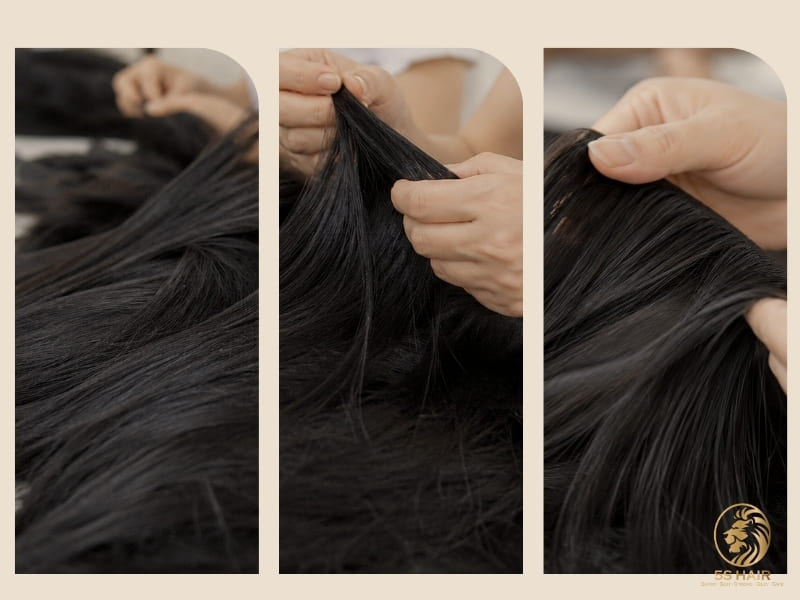
Lower-cost products are made using a different process. Hair with mixed cuticle directions is treated with an acid bath that removes the cuticle entirely. Although this initially prevents tangling, the stripped hair becomes porous. To mask this, the hair is coated with silicone for a smooth appearance. After a few washes, the silicone wears off, and the hair often becomes dry, brittle, and prone to matting.
Installation
Professional hair extension installation service takes serious training, attention to detail, and time. The price reflects the stylist’s skill, professional training and certifications, and the overhead expenses of running a salon. This includes high-quality application tools, salon facilities, and business costs.
- Skilled Professional Application: A typical professional installation starts with a consultation to determine which type of extension works for your hair and lifestyle. Certified stylists then take care to place each extension precisely and use just the right amount of tension so your natural hair stays healthy.
- Specialized Tools and Premium Materials: Professionals often use specialized tools and quality materials for every installation. For example, K-tip extensions rely on premium keratin bonds, while tape-ins use medical-grade adhesives built to withstand heat, sweat, and natural oils. Stylists also invest in heat wands, pliers, and other tools designed just for extensions. The ongoing cost of purchasing and maintaining these tools is another reason installation costs what it does.
- Follow-Up Care and Maintenance: The installation price usually covers more than just the first appointment. Many top salons include follow-up visits, like a two-week check-in, to make sure the bonds are holding and your scalp is doing well. As your hair grows, you’ll also need regular maintenance to keep the extensions comfortable, secure, and looking natural.
Customization – Color Matching
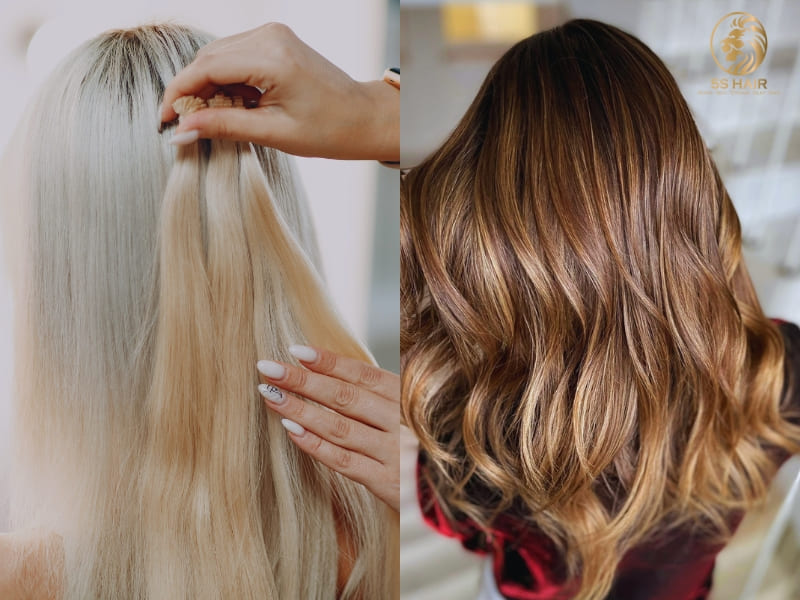
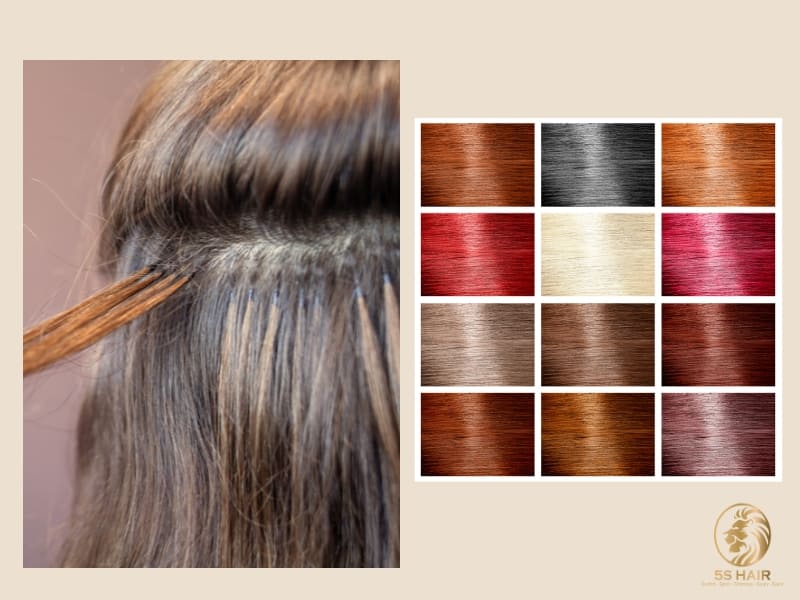
Hair extensions are more expensive because achieving a flawless, natural-looking result requires both technical expertise and considerable time. Rather than simply selecting a pre-made shade, stylists customize the extensions to match each client’s specific hair color and appearance.
- The customization process starts with a thorough consultation. The stylist carefully evaluates the client’s roots, mid-lengths, and ends to understand the full color profile.
- Most clients need more than one extension shade. Stylists often mix colors, apply toners, or add highlights and lowlights to create a blend that closely matches the client’s natural hair.
- The goal is to make the extensions blend in so well that they are not noticeable. Even high-end extensions can look fake if the color is off. Careful color matching and customization make the extensions look like part of the client’s own hair.
Maintenance
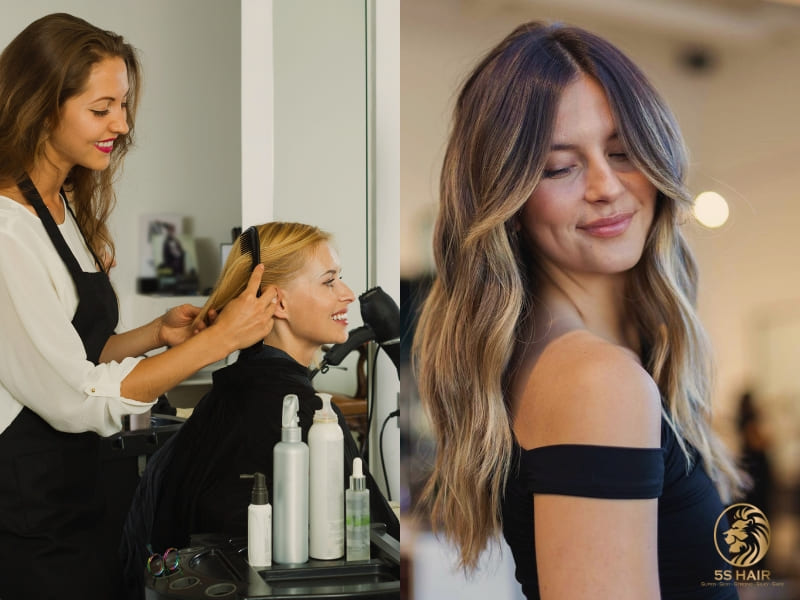
The cost of hair extensions does not end after installation. Maintaining semi-permanent extensions requires regular salon appointments and proper daily care to protect both the extensions and natural hair. These ongoing expenses are a key part of what you’re paying for.
- Most semi-permanent hair extensions need a trip back to the salon every 6 to 8 weeks. At each appointment, your stylist will remove, adjust, and reinstall the extensions. Depending on the extension method and salon pricing, maintenance visits typically cost around $75–$500 per session.
- You’ll also need to invest in hair care products made for extensions. That usually means sulfate-free shampoo, deep conditioners, detangling sprays, heat protectants, and a soft-bristle brush, which costs around $50 to $100.
- Routine maintenance is vital for protecting natural hair. As the hair grows, extensions move farther from the scalp, increasing tension on the roots. If they are not repositioned on schedule, the added weight can contribute to breakage or hair loss.
- Although premium human hair extensions have a higher initial cost, they often provide better long-term value. Many clients also wonder whether hair extensions can be reused. With proper care and regular maintenance, high-quality human hair extensions can typically be removed, reapplied, and used for 6–12 months. In contrast, lower-grade or synthetic extensions tend to tangle, lose their appearance, and become unusable much sooner.
Hidden Costs that You Should Know
There’s also something many first-time buyers should know. Beyond the initial purchase, costs like professional installation, regular maintenance appointments, specialized hair care products, and eventual replacement can add up over time.
Removal Fees
Hair extension removal is typically a separate salon service. Depending on the extension type, these fees generally range from $50 to $200. If there is heavy tangling or matting around the attachment points, salons often charge extra for the extra detangling work required.
Color Correction
Extensions rarely match natural hair perfectly, so color adjustments are sometimes necessary as your hair changes or to keep the blend seamless. Professional color correction is an additional expense. Because extension hair has already been processed, it reacts differently to hair color than natural hair, making the service more technical and time-consuming.
Damage Repair
To maintain hair health, some clients may need professional deep conditioning, protein treatments, or clarifying services to restore moisture and remove product buildup. If extensions are damaged by heat styling or improper care, you may also need to replace individual strands or wefts.
Emergency Appointments
If you run into issues like loose wefts, weakened adhesive, or sudden matting, you might need to book an urgent salon visit. Many salons charge extra for same-day or emergency appointments because these services must be squeezed into an already packed schedule.
Final Thoughts
In practice, this means looking beyond the price tag. The true value of hair extensions isn’t determined by what they cost – it’s determined by the quality, longevity, and confidence they provide. High-quality products require a larger upfront investment, but they often deliver a more natural look, greater durability, and lower replacement costs over time.
A few things worth keeping in mind:
Frequently Asked Questions
Below are some of the most frequently asked questions about hair extensions and what you can expect before making your purchase.
How much hair extensions are put in?
Hair extension prices vary widely based on the type of extension, hair quality, and professional installation. Overall, prices range from around $150 to $2,000+.
- Clip-in Extensions: $150–$500. Easy to apply and remove at home, with no professional installation required.
- Tape-in Extensions: $300–$900 total, including $200–$600 for hair and $100–$300 for professional installation.
- Weft Extensions: $300–$1,500 in total, with professional installation typically costing $150–$400.
- K-tip Extensions: One of the most expensive methods, costing $500–$3,000 and including installation fees of $300–$1,000.
- Micro-Link Extensions: $300–$2,500
(Source: 5S Hair’s market research team)
Are hair extensions worth the money?
Hair extensions can add volume for thinning hair, create length when natural growth has plateaued, and provide fuller coverage that may be difficult to achieve naturally.
Extensions can also reduce daily styling time by holding curls and blowouts longer, minimizing heat exposure. For important occasions such as weddings, milestone celebrations, or professional events, they offer a polished, long-lasting look.
Why are hair extensions so expensive compared to wigs?
Hair extensions involve both the hair and the professional service required to customize it. Extensions must be color-matched, blended, and carefully installed into your natural hair, then maintained, removed, and reinstalled as needed. Wigs, by comparison, are ready-to-wear products.
While premium human hair wigs can also be expensive, they generally have lower long-term maintenance costs, making them a more budget-friendly option for many people.
At 5S Hair, we focus on providing high-quality human hair extensions that deliver a natural appearance, long-lasting performance, and better value over time. Explore our collection to find the right hair extensions for your needs.
