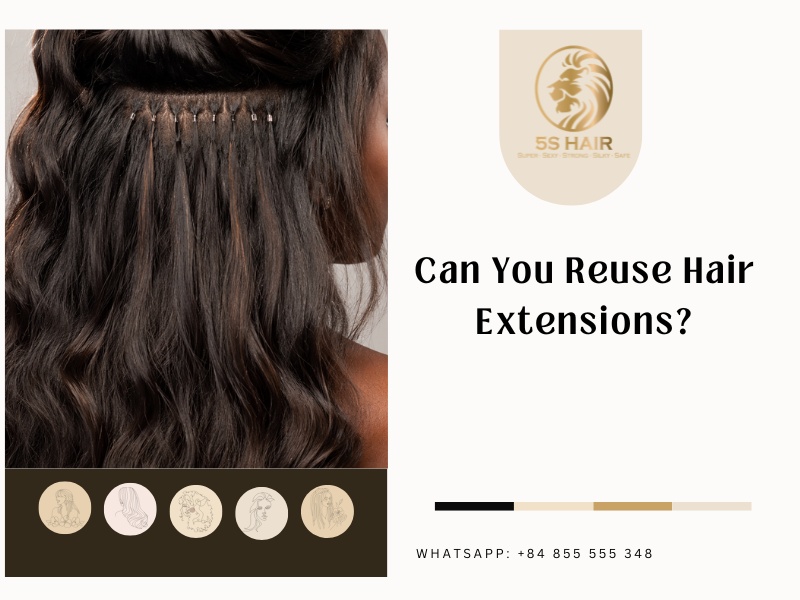
No one invests in hair extensions expecting to wear them just once. Yet many people toss theirs out after a single use, unsure whether they can be reused or worried that reapplying them might damage their natural hair. The confusion is understandable. With so many extension types – clip-ins, tape-ins, keratin bonds – it’s not obvious which ones can be worn again.
Can you reuse hair extensions? The good news? Many hair extensions can be reused multiple times if they’re made from high-quality materials and cared for properly.
Can You Reuse Hair Extensions?
The short answer is yes. Some types of permanent hair extensions can be reused, but it depends on several factors. It is about the condition of the hair, the installation method, and how well the extensions are cared for.
What Extensions Can be Reused?
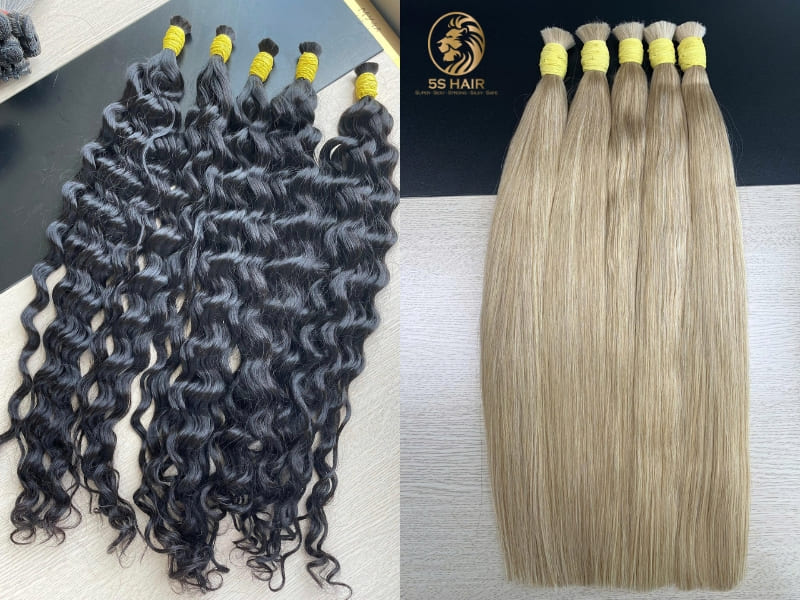
As we know, there are types of extensions, but not all of them can be reused with a good conditional. So what are the best types of extensions that can be reused? Let’s figure them out.
Micro Loop Hair Extensions
Micro ring extensions or micro bead or micro loop extensions are another type that can often be reused.
Micro loops are secured using tiny, silicone-lined metal rings rather than tapes/ glues or heat. This method ensures that both the extensions and your natural hair stay healthy and undamaged throughout the entire wear period.
The secret to their reusability lies in the cold-press application. Since the extension hair is typically bundled into a strong, pointed end (as an I-tip), the bond is not chemically altered or melted during installation.
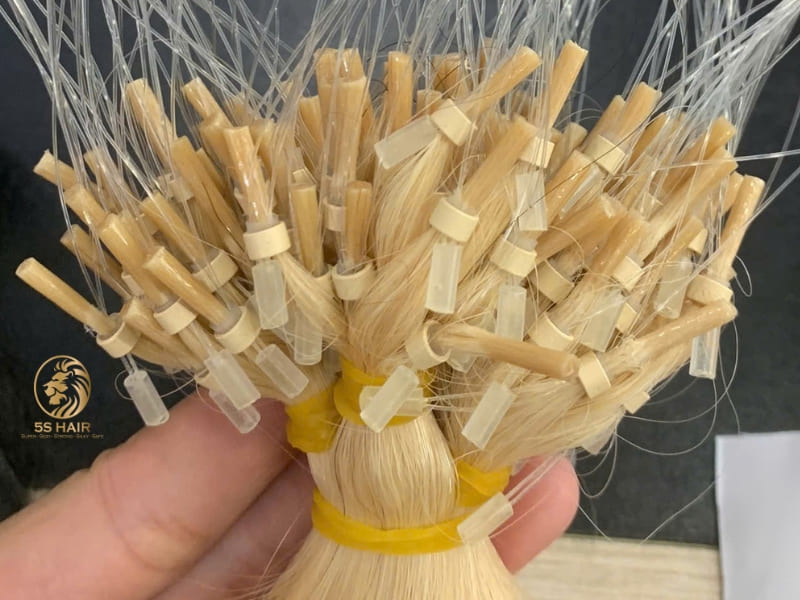
When it’s time to visit the salon for maintenance, the salon professional simply uses a specialized tool to unclamp the ring, allowing the extension to slide out freely without leaving any sticky residue behind.
The move-up is remarkably efficient compared to other methods:
- Adjustment: the rings are gently opened, releasing the extension on your natural hair growth.
- Cleaning: The stylist brushes out any naturally shed hair that has been “trapped” inside the bead to prevent matting.
- Repositioning: The same extension is slid back up toward the scalp, usually paired with a brand-new ring to ensure the grip remains tight and secure.
Unlike keratin bonds, micro rings allow you to reuse the same hair at its original length. The process of micro loop move-up is so gentle that a high-quality set of I-tips can often be reset many times, lasting a year or more with proper care.
This makes micro rings a premier choice for those seeking a low-waste, long-term solution. As long as the tips of the extensions remain firm and do not “fan out”, you can continue to refresh your look indefinitely, making the initial investment in high-quality hair incredibly cost-effective.
Weft Hair
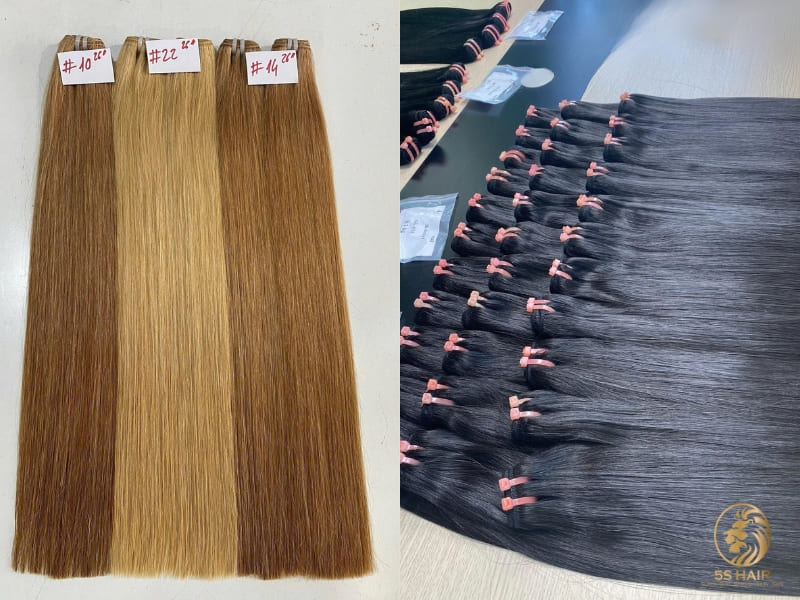
Weft hair extensions are among the easiest and most reusable extension methods. Weft extensions include hand-tied, machine-tied, and flat wefts.
Because they are applied in long strips rather than individual strands, they are generally faster to manage during maintenance. However, their longevity depends heavily on the weft’s construction and your commitment to professional move-up appointments.
Hand-tied wefts offer a seamless, flat profile but must never be cut, as doing so will cause the stitching to unravel and the hair to shed. Machine-tied wefts are much sturdier and can handle more wear, though they are slightly thicker. Flat wefts, also known as Genius wefts, serve as a versatile hybrid, providing the thinness of a hand-tied weft with the durability to be cut and customized without shedding.
To maximize the life of your wefts, schedule move-up appointments every 6-8 weeks to prevent matting at the roots. In addition, prioritize drying the attachment point after washing. Using a specialized extension brush for detangling, work gently from the ends toward the scalp.
Hand-tied or flat wefts can be reused for 6-9 months with proper care. Meanwhile, machine wefts often last 9-12 months due to their reinforced construction. To store it for later use, keep it clean and dry in a silk or satin bag to prevent friction and tangling.
K-tip Extensions
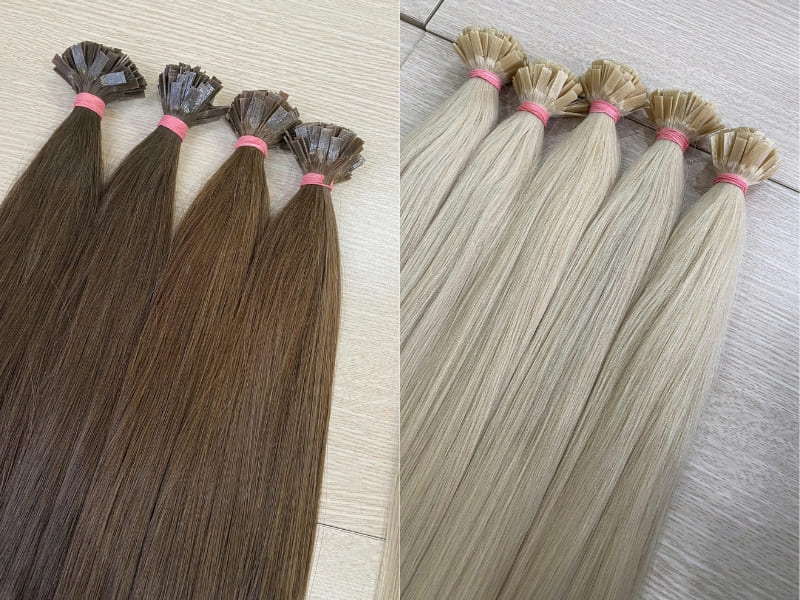
K-tip extensions, which are known as keratin bond extensions or fusion extensions. They are applied using a keratin-based protein adhesive that is melted and molded around your natural hair.
This method of extensions creates an incredibly strong and discreet bond; the process of reusing them is more technical and labor-intensive than other methods.
The hard part is removal. To take K-tips out of your natural hair, your salon professional must use a bonding remover and a special tool to break and crush the original keratin seal.
Once the bonds are broken, the extensions are no longer reusable. Even if the hair remains in good condition, the attachment point is effectively destroyed during removal.
These Keratin extensions must undergo a meticulous re-tipping process. A hair professional has to remove the worn-out bonds and replace them with new keratin, one strand at a time.
The stylist has to fix 100 to 150 tiny bonds by hand. Fixing a full set of Keratin extensions is a slow and difficult job.
Even with professional re-tipping, the bond may not be the same as that of one fresh from the factory. The new bonds might be slightly larger or less uniform. This might affect how they sit in your natural hair.
In addition, because the stylist has to trim the top of the extension to clear away old glue, the hair will naturally lose a tiny bit of length. Ultimately, while hair from K-tip extensions can be reused, the intensive labor cost of re-tipping often makes it nearly as expensive as buying a fresh set.
Talk to your hairstylist if the hair is still good enough to be worth the high cost of fixing it before reusing your Keratin extensions.
Read more: K-tip vs I-tip Extensions: The Difference
Tape-ins
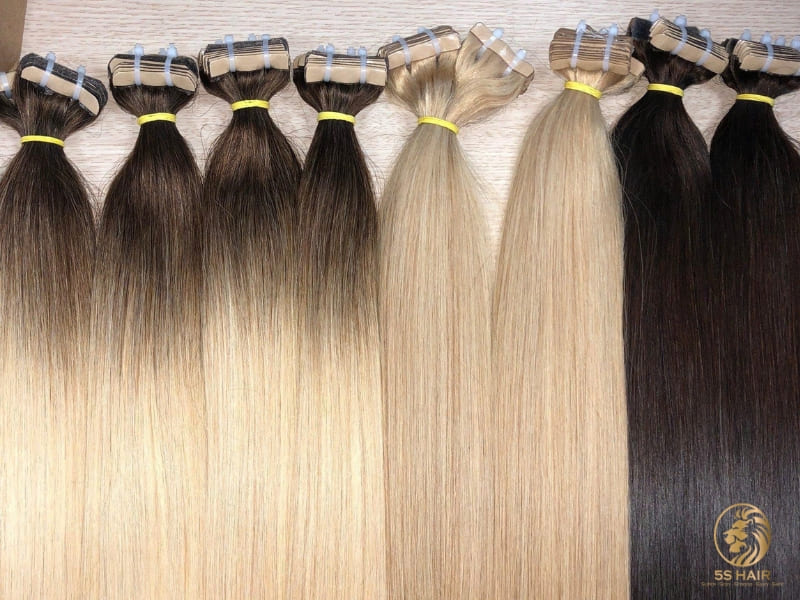
Reusing tape-ins is pretty popular for good. Tape-ins lay flat and blend well and have durable polyurethane tabs. When it comes to reusing, it is definitely possible.
Unlike other methods, these flat strips are designed to withstand multiple rounds of adhesive removal without damaging the extensions. This feature makes them a clever and long-term investment.
Instead of buying new hair multiple times, you can re-tab them to move the wefts back to your roots. The process of reusing tape-ins usually involves your stylist removing the old tape and cleaning up any residue from your natural hair.
It will start by using a professional solvent to safely dissolve the old glue, leaving the extension intact. It is ready for a refresh.
The most critical part of reuse is the cleanup. The stylist needs to scrub the tabs to remove all oil and old residue. If the tabs are not 100% clean and dry, the new tape won’t create a proper seal, which is the leading cause of extensions slipping.
Once cleaned, fresh tape is applied to the tabs, creating a strong bond. Your stylist may also trim hair from the top of the weft to keep the replication looking seamless, sharp, and flat against your scalp.
With good care, you can typically reuse the same set 3-4 times. By sticking to a 6-8 week (almost 2 months) maintenance schedule, you prevent your natural hair from matting and keep the extensions looking like they are growing naturally from your head.
Read more: Tape vs Weft Hair Extensions: Which One to Choose
3. What Factors Affect Reusability?
When discussing the factors that affect the reusability of hair extensions, several crucial ones come into play. It is not just about the hair, but also how it was put in and how you treat it afterward. So, let’s see what kind of hair quality and installation technique make hair extensions reusable!
Hair Quality
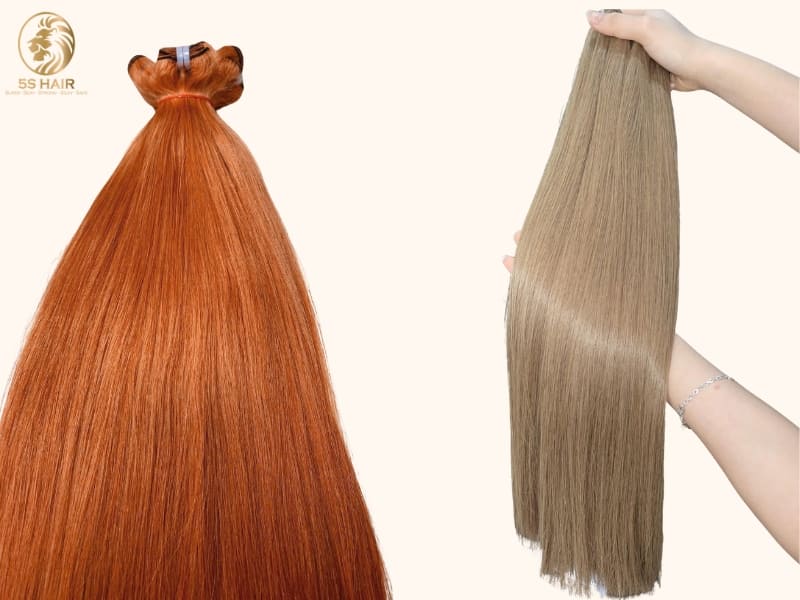
If you have extensions made from really good quality human hair, they are way more likely to be reusable. They should be hair that has not been over-processed or treated with harsh chemicals.
Low-quality hair, synthetic hair, or even lower-grade human hair can not handle being removed and reinstalled. Those low-quality extensions can get tangled, shed, and lose their shine.
On the other hand, premium hair is designed to withstand multiple applications if you take good care of it.
Many people choose synthetic hair because it’s more affordable than human hair. However, chemicals in synthetic extensions may pose health risks when inhaled or absorbed through the scalp, including inflammation, itching, redness, and scalp bumps caused by the chemicals and alkaline plastics in synthetic hair.
Installation Techniques
The method your extensions are attached to makes a difference. Some methods are just easier to work with when it comes to reusing them.
For example, tape-in extensions can often have their tape replaced, and micro-ring extensions can be adjusted. K-tips glue used to attach them can be difficult to remove without damaging the hair. This means the hair itself might not be reusable, even if you could technically re-bond.
Here is a quick look at how different methods stack up:
| Extension type | Reusability potential | Reasons |
| K-tip extensions (Keratin bond) | Low – Medium | Old extensions can be reusable, but the bond needs to be replaced with a new one, which can be tricky |
| Micro ring extensions/ I-tips | High | Rings can be adjusted. Your hair is almost not damaged during removal |
| Tape-in extensions | High | Tape can be replaced, generally easy to remove and reapply |
| Weft hair | High | Weft hair can be adjusted and removed easily |
Notes: Even with the best quality hair and the most careful installation, extensions have a finite lifespan and are not meant to last forever.
Read more: How to Style Hair Extensions: 4 Easy, Flawless Looks Worth Trying
Final Thoughts
There are several types of extensions that can be reused, such as keratin bonds, weft hair extensions, micro-rings, and tape-ins. However, reusability depends on hair quality and maintenance. Investing in high-quality hair might cost more upfront, but it saves money over the year because you can reuse it multiple times instead of buying new hair every few months.
Follow 5S Hair for more extension tips and info-don’t miss out!
Frequently Asked Questions
What is the best type of extension that can be reused?
I-Tips/micro rings and tape-ins are two of the best reusable extension types. Micro rings can usually be reopened and reused with fresh beads, and tape-ins can typically be reused 2–3 times, sometimes more with premium hair and proper care.
Can you reuse micro loop hair extensions?
Yes, but it’s tough. While the hair is reusable, the “loop” used to pull your hair through is for one-time use. To reuse them, a stylist usually has to convert them into I-Tips and use fresh microbeads.
How many times can you reuse tape-in extensions?
You can reuse tape-in extensions 2-3 times. Each time they are reused, the hair professional has to peel off the old adhesive and reapply a new replacement tape strip. Eventually, the tape tab becomes too bulky or worn out.
