Hair drying after bleaching is a common problem for both people bleaching their hair at home and in salons. Therefore, “ow to moisturize hair after bleaching” is always a hot search on the internet. Some easy tips below will help you rescue your damaged hair.
1. How to hydrate hair after bleaching
You can do a few simple techniques for how to treat dry hair after bleaching at home.
Here are some techniques to help restore moisture and nutrients to your hair:
- Use a moisturizing shampoo and conditioner: Look for products that are particularly developed for dry or damaged hair. These products contain substances like oils and humectants that can help restore moisture to your hair. Avoid using sulfate-containing cosmetics, since they can deplete the hair of its natural oils.
- Deep condition your hair once a week to provide hydration. Apply the treatment to damp hair, let it sit for 10-15 minutes, and then thoroughly rinse. Some deep moisture hair care products are: SheaMoisture, Olaplex No. 3 Hair Perfector, Protein-Strong Treatment with Manuka Honey & Yogurt, Pantene Pro-V Moisture Renewal 3-Minute Miracle Daily Conditioner,… or you can use hair oil to deep moisture bleach hair.
- Apply a hair mask: Hair masks are yet another excellent way to give your hair more hydration. Look for masks that have components like shea butter, argan oil, or coconut oil. After applying the mask to damp hair, let it sit for 20 to 30 minutes, then thoroughly rinse.
- Limit heat styling: Using blow dryers, straighteners, and curling irons can cause your hair to become even more dry. Attempt to use these instruments sparingly or only on low heat.
- Protect your hair from the sun: UV rays can damage your hair and make it even drier. Wear a hat or use a hair product with UV protection to help protect your hair from the sun.
- Drink plenty of water: Drinking water can help keep your body hydrated, which in turn can help keep your hair hydrated.
By following these tips of how to treat dry hair after bleaching, you can help restore moisture to your hair and reduce dryness after bleaching.
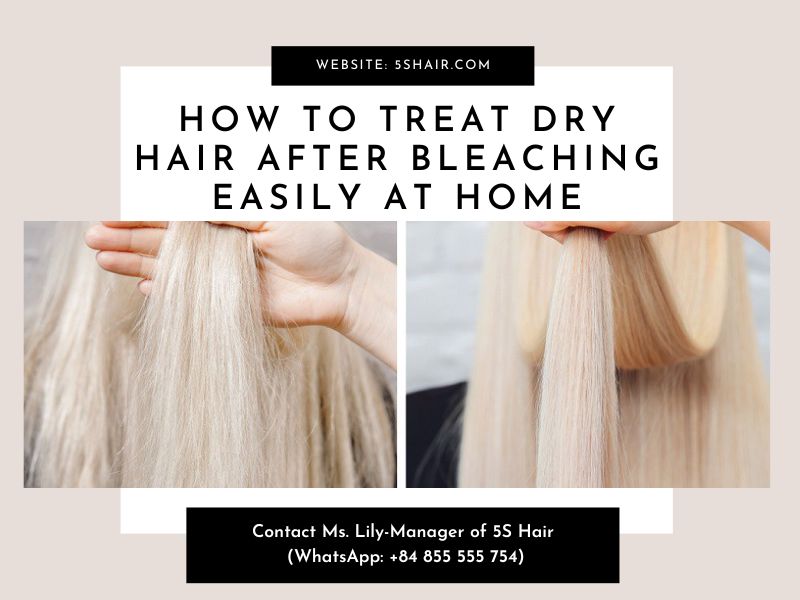
How to treat dry hair after bleaching easily at home
2. Causes of dry hair after bleaching
Almost everyone faces hair drying after bleaching and dyeing their hair a light color. That’s why the question of how to repair bleach damaged hair or how to treat dry hair after bleaching is a “hot search” on the internet.
- Bleaching is the process of removing natural color from hair using chemicals such as hydrogen peroxide, which can cause dryness and damage. This procedure affects the hair’s cuticle layer, which is in charge of protecting the hair from external influences such as sun, wind, and heat.
- When the cuticle layer is damaged, the hair shaft becomes more porous, which makes it more susceptible to moisture loss. This can cause hair to become dry, brittle, and prone to breaking.
- The use of chemicals to bleach hair as well as change the structure of the hair also makes your curls gone after bleaching if your hair has been curly before. Furthermore, bleaching can harm the scalp, causing flaking and irritation. It is important to care for bleached hair with products designed specifically for damaged hair and to avoid heat styling and other harmful activities.
Knowing what causes dry hair, you can better understand how to treat dry hair after bleaching. All you have to do is repair the wound of the hair membrane with specialized hair care products.
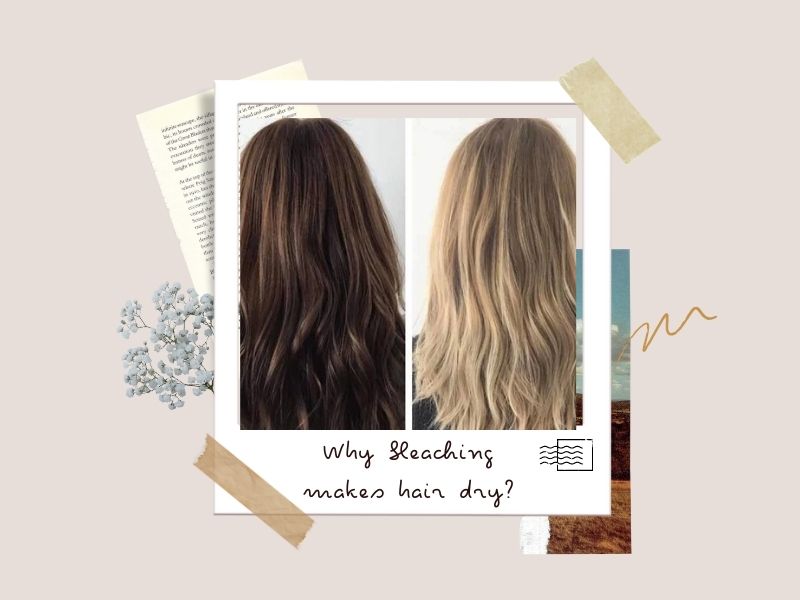
Knowing why bleaching makes hair dry before asking how to treat dry hair after bleaching
3. Consequences of not knowing how to treat dry hair after bleaching
Not understanding how to cure dry hair after bleaching can lead to a number of problems, including:
- Breakage: Bleached hair is more delicate than untreated hair, and dryness can exacerbate the problem. Excessive hair breakage may occur if you do not properly care for your hair after bleaching.
- Split ends: Split ends are common in dry hair, and bleaching can worsen the condition. Split ends may make your hair seem dull and lifeless, and they can also cause more breaking.
- Color fading: If you don’t hydrate your hair correctly after bleaching, your color may fade faster. This is due to the fact that dry hair does not retain color as effectively as well-moisturized hair.
- Scalp irritation: Dryness can irritate your scalp, causing itching, peeling, and pain.
- Dry hair lacks natural oils, which can cause a loss of sheen and luster. This might cause your hair to appear dull and lifeless.
It is essential to understand how to properly care for your hair after bleaching in order to avoid these repercussions. If you want to style your bleached hair, you also need to know how to style bleached hair without damaging your hair the right way to protect your hair from more severe damage. Consulting some of the following tips for how to hydrate hair after bleaching will help you to rescue your bleached damaged hair effectively.
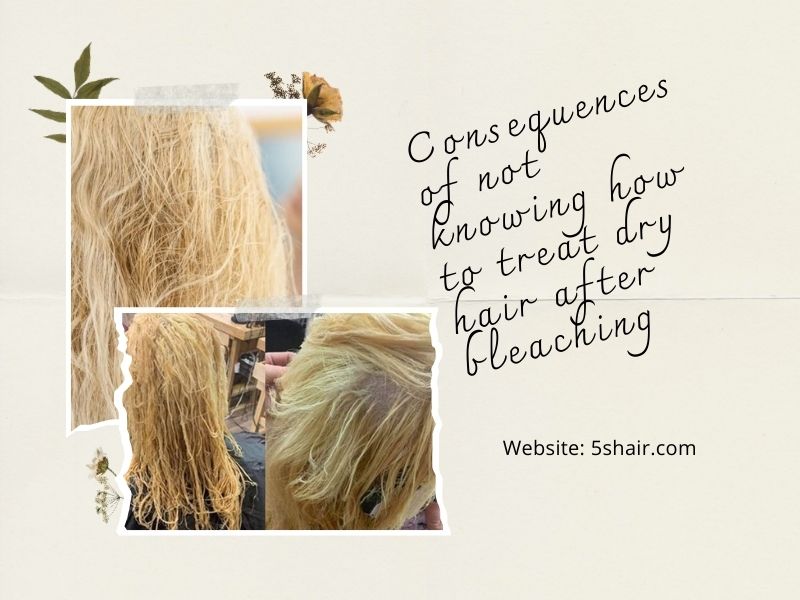
Consequences of not knowing how to treat dry hair after bleaching
4. Tips to hydrate hair after bleaching
Part of the reason that bleached hair looks “fried” or frizzy is because the hair cuticle — the layer that locks in moisture — has been disrupted. While your hair cuticle rebuilds, you can use other products to seal your hair and help restore some gloss and shine.
- Olive oil: A few drops of olive oil can go a long way to give your hair some life. Only use a couple drops at a time to apply olive oil with your fingertips, focusing on your ends.
- Coconut oil: Coconut oil can also work to seal your hair and prevent protein loss. Rub some coconut oil together between your palms to warm it up before applying it to dry, frizzy spots as well as your ends.
- Argan oil: Argan oil is rich in antioxidants, which can help protect your hair from further damage. Use a few drops after styling to seal in moisture and add shine to your hair.
- Almond oil: Almond oil is saturated with proteins as well as vitamin E, which can bind to your hair and make your strands stronger. It may also fill in gaps in your hair strands that leave it prone to breakage after bleaching. Apply a few drops to your hair each day before you head out the door, or use almond oil as an ingredient in a deep-conditioning mask.
- Use sun protection: After bleaching, your hair is vulnerable to burning from heat styling and from the sun. Sunblock for your hair also protects your scalp, which may be irritated due to bleach exposure. You can use an SPF spray specifically designed for hair, or you can look for hair products that include an SPF.
- DIY hair masks: Hair masks with moisturizing ingredients, like avocado, honey, and egg white, can restore softness and elasticity to your hair. You can apply hair masks whipped up with simple kitchen ingredients two or three times a week until your hair’s condition begins to improve.
- Rice water rinse: Rinsing your hair with water you have used to boil rice may help make your hair strands stronger. Rice water contains inositol, which you can use to repair hair strands from the inside out.
- Prep the rice water by boiling rice and straining it out, then leave it in your fridge overnight.
- For best results, transfer a small amount to a container you can easily use in the shower.
- You can rinse your hair with rice water every day if your hair is extremely damaged.
- Leave-in conditioner: Leave-in conditioner products available at almost any beauty supply store and supermarket can help revive bleach-damaged hair. Some leave-in conditioners are thick and you can apply them in the shower. Others are simple spray-on formulas you can put on your hair before you head out for the day. Follow label directions carefully, and look for products that advertise moisturizing and keratin-building effects.
- Avoid heat styling: Right after bleaching, your hair is especially dry and vulnerable to heat styling damage. Cut back on how often you blow-dry, curl, or straighten your hair with hot tools in the weeks after a bleach. When you’re ready to reintroduce heat styling, keep it to a minimum — once or twice per week, max.
- Be careful with chlorine: After bleach has compromised the strength of your hair strands, chlorine can compound the issue and make your hair even weaker. Chlorine can also give bleached hair a brassy blond, greenish hue, or carrot-orange tint. Rinse your hair with cool water right before your slip into the pool or any other chlorinated water source. Rinse your hair again directly after spending time in chlorinated water. You might want to use a swim cap to protect your locks in the 2 weeks right after bleaching your hair. Only comb hair when wet: Hair that has been bleached is more prone to snags and tangles. Use a wide-toothed comb or a wet brush with flexible bristles for best results.
- Cut back on shampoos: When you bleach your hair, you also strip out natural oils from the hair follicle. While your hair follicle heals, cut back on how often you wash your hair. It takes some getting used to, but many people report that their hair reacts just fine to being washed once or twice per week.
- Cool water washes: Hair that has been heat-damaged should not be washed in scalding hot water. Steam from your shower may open up your hair cuticle and cause further damage to your hair strands. When you wash your hair, make sure to keep the temperature down to a medium to lukewarm level. Cap off your wash with a spritz of cool water to seal in moisture.
- Go for a trim: Trimming off split ends can help breathe new life into hair that has been damaged by bleach. Ask your hairdresser to trim off 2 to 3 inches — it might feel like a weight lifted off of your shoulders.
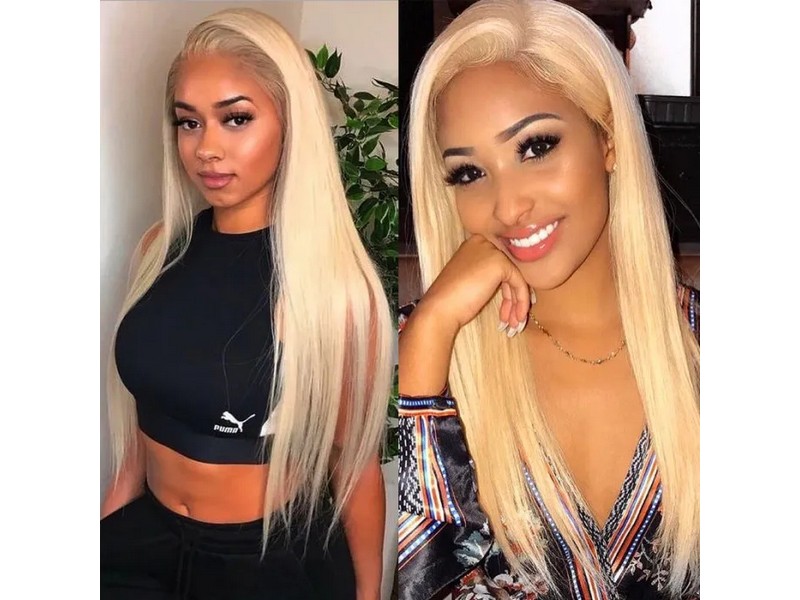
5. Tips to repair severely damaged hair
If bleach or other environmental factors have severely damaged your hair, you might need to go beyond simple lifestyle changes and home remedies.
5.1. Hair falling out
If bleach damage means your hair has started falling out, try out some proven methods for natural hair regrowth.
- Scalp massage: A scalp massage can increaseTrusted Source blood circulation to your head and help stimulate hair growth. Try massaging your scalp every time you wash your hair, focusing at the temples and the nape of your neck.
- Rosemary oil: ResearchTrusted Source suggests rosemary oil can promote hair growth. Mix rosemary oil with a carrier oil, such as coconut oil, and massage it onto your scalp.
- Onion juice: Onion juice has had promising results for hair regrowth in animal studies. Blend up some onions and apply the juice to your scalp, letting it soak in your scalp for up to 15 minutes. Rinse well before you shampoo as you normally would.
5.2. Scalp issues
Bleach can irritate the skin on your scalp and cause redness, dry scalp, and flaking. Consider these DIY solutions to condition the skin on your head:
- Peppermint oil: Peppermint oil can increase circulation to your scalp and help relieve itching. It has anti-inflammatory properties, which makes it a great DIY for treating flaky or inflamed scalp.
- Aloe vera: Aloe vera can also be used to help heal the damaged and inflamed scalp. Its moisturizing and anti-inflammatory properties can help heal damage to your hair as well as your scalp when you apply pure aloe vera topically.
- Witch hazel: Witch hazel has powerful astringent properties, and can be used as an anti-inflammatory. Applying diluted witch hazel directly on your scalp (avoiding your hair if possible) can bring a tingling, healing sensation to your head and bring relief to damaged scalp.
5.3. Hair breakage
If hair breakage is a continuous problem for you after bleaching your hair, consider one of these home remedies:
- Ditch hair elastics: That tight ponytail may be putting additional stress on your hair at the root, making it more prone to breakage. Keep your hair down and loose whenever you can.
- Let hair air dry whenever possible: Using a hairdryer or even a towel to speed up the drying process can add to the damage to your hair cuticle, which needs to work to restore proteins after bleaching.
6. Additional Lifestyle Tips for Softer, Healthier Bleached Hair
Hydration isn’t just topical. Support your hair from the inside out by making a few simple lifestyle tweaks.
6.1. Drink Plenty of Water
Soft, shiny hair starts with internal hydration. The answer to most beauty woes is usually to drink more water. Make sure you’re drinking enough water to hydrate your body from the inside out. After bleaching your hair, aim to drink 11-15 cups of water daily.
6.2. Adopt a Hair-Healthy Diet
What you eat directly affects the health of your hair. Add foods rich in omega-3s, biotin, and antioxidants to your diet for healthier, shinier hair. Try adding some of the following into your breakfast, lunch, snacks, or dinner!
- Salmon
- Avocados
- Blueberries
- Leafy greens
6.3. Wash Your Hair With Cool Water
Hot water can strip the moisture from your hair, so keep it lukewarm when you wash. Finish with a blast of cold water when rinsing out your conditioner. This seals your hair’s cuticles and the pores in your scalp, locking in moisture, and adding a boost of shine.
6.4. Sleep on Silk Pillowcases
It’s important to protect your fragile dry strands while you sleep. A silk pillowcase is much gentler on hair than cotton pillowcases or hair scarves. Hair glides against silk while it clings to cotton, preventing further damage on your hair follicles. This creates friction, leading to breakage. Plus, cotton sucks the moisture out of your hair leading to more dryness.
6.5. Get Regular Trims
The more you can keep those tresses in check by trimming off the damage, the less likely they are to become dry and brittle. Trimming your hair every 6–8 weeks keeps it feeling healthy and looking silky.
6.6. Opt for Balayage Instead of All-Over Hair Color
Balayage highlights are a lot gentler on your strands than all-over hair color (and a lot easier to maintain). If your hair is dry ask your stylist for balayage highlights instead of going fully blonde.
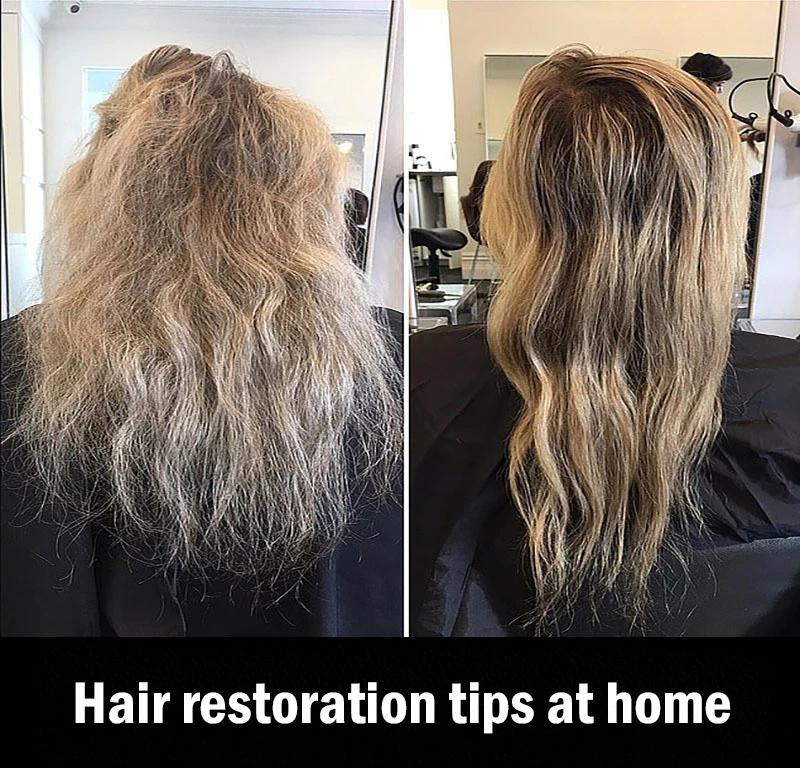
7. FAQ
7.1 How often should you bleach?
Bleaching your hair frequently will result in more and more damage. Don’t bleach your hair more than once every 2 months or so. The American Academy of Dermatologists recommends giving your hair a break for 8 to 10 weeks between processing sessions.
When it’s time to touch up the bleach at your roots, apply it only to new growth and don’t re-bleach your entire head. Repeated bleaching of your entire head will result in hair breakage and hair loss.
7.2. When to see a pro
In some cases, the only way to fix bleach-damaged hair is to seek help from a professional stylist. Give it a month to 6 weeks after bleaching and see if your hair starts to recover. After you’ve been patient with your hair, here are some signs that it’s time to book an appointment with a pro:
- Difficulty brushing your hair
- Hair loss and hair breakage
- Hair that is tinged an unnatural or unwanted color
- Hair that is heavy and unevenly textured
- Hair that does not respond to your styling efforts like brushing, curling, or blow-drying
7. Hair extension: The best alternative to “How to treat dry hair after bleaching”
If you are a huge fan of light hair and don’t want the headache of thinking about how to treat dry hair after bleaching, you can use hair solutions instead of natural hair bleach.
Hair extensions made from 100% human hair are currently being favored by many beauty lovers because of their versatility and convenience. The current hairstyle is designed to keep up with the trend with a variety of designs, from luxurious straight hair, seductive curly hair to colored hair, bleached hair. Hair extension colors are also very diverse. If you want to own whole colored hair, you can refer to the wig, bundles with matching closure. And if you like some bleached highlighter in your hair, you can use tape-in or tip-in.
Don’t worry about how long does weft hair extensions last, high quality 100% human hair extensions will last up to 5 years if you know how to take care of them properly. You should buy hair from reputable hair vendors from Vietnam for the best quality at a cheap price.
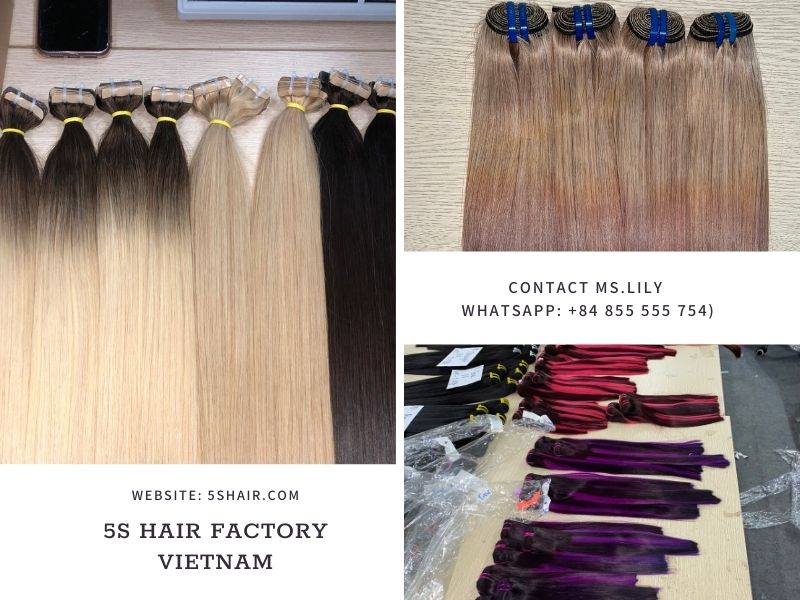
Hair extension: The best alternative to “How to treat dry hair after bleaching”
5S Hair Factory from Vietnam is one of the best Vietnamese hair companies that is trusted by many high-end hair salons in the world. If you want more advice on how to treat dry hair after bleaching easily at home but do not want to buy hair extensions, you can still message 5S Hair’s expert team for detailed and more thorough instructions.
Contact 5S Hair wholesale factory manager to import raw Vietnamese hair bundles through this WhatsApp number: +84855555754 to get the best price order now!
Contact us:
- 5S Hair: Best Vietnamese Hair Factory
- Address: Floor 5, No. 169 Nguyen Ngoc Vu Street building, Cau Giay District, Ha Noi city
- Hotline: +84 855 555 348
- Website: https://5shair.com/
- Email: info@5shair.com
- WhatsApp: +84 855 555 348